The Philosophical Leadership Programme

Course logo

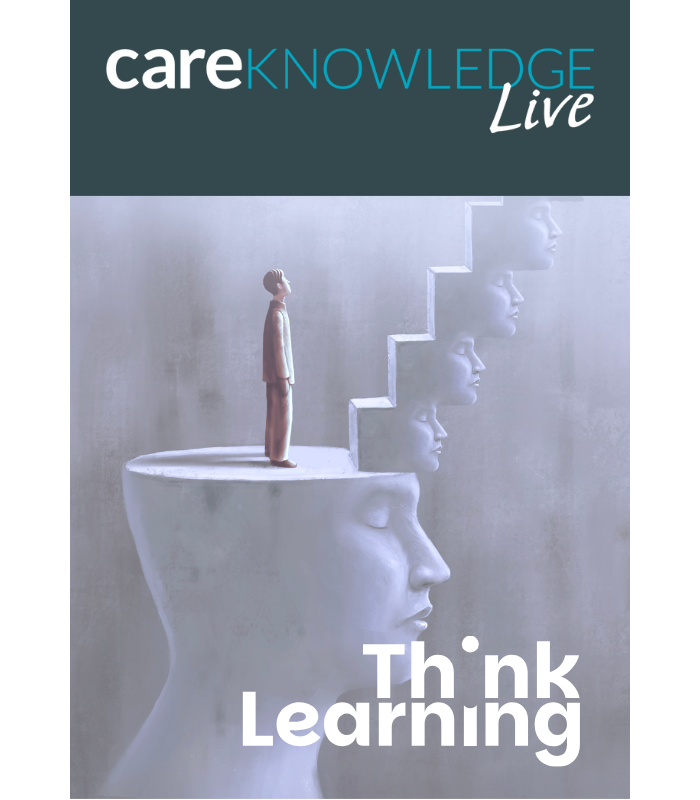
What changes when leaders make space to think?

This seven-week philosophical programme begins from a simple premise: the hardest decisions in leadership are not managerial or technical, but human. Good leaders need to understand the ideas and values that shape their decisions, their connections, and the lives of those they serve.

Through engagement with ideas and texts, the course challenges leaders to think deeply and critically about themselves and what they believe. It asks fundamental questions: What matters most in leadership and why? What kind of leader do you want to be? What kind of culture do you want to shape? What vision do you want to make possible? And how do you keep asking the questions that matter, even when answers are difficult or unclear?

Our programme invites you into the deeper thinking and understanding that makes for intelligent, imaginative and humane leadership. This is about leadership that begins with knowing yourself and your own humanity and grows into the capacity to guide others meaningfully and responsibly.


The course explores the following themes:

  • Thinking in Leadership, Leadership in Thinking
  • Humanity and the Measure of Character
  • Perspective in Leadership: Everything and Everyone
  • Values, Principles and Practice
  • The ‘Art’ of Leading Change
  • Power, Authority, and Responsibility
  • The Philosophical Leader

We believe the most pressing challenges in leadership will not be solved by systems or strategies alone, but by leaders who dare to think more deeply, who can sustain complexity and uncertainty as learning, and who can discipline leadership instincts with intelligent decision making. Our programme exists for those who are ready to make thinking itself their most powerful resource in leading change.


How we work

In order for leaders to put their thinking into practice, they need to practice their thinking. Therefore, this seven-week programme of carefully curated seminar experiences is not training in the usual sense. We bring people and ideas together through the close reading of texts and facilitated conversation, where leaders explore the ideas that animate the decisions they make and practice the kinds of thinking that most matter to them.

Such practice can be demanding: listening with care, questioning assumptions, holding the bigger picture with the small, and testing ideas. But it’s deeply worthwhile. What emerges is not a manual, but an educational experience which develops a cultivated mindset for thinking leaders.

As a participant on The Leadership Programme you will have access to:

  • CareKnowledge – full access, including The Bookshelf and MyCPD tool
  • A CareKnowledge online community of practice, where you and fellow participants can access programme resources, share links, ideas and resources with fellow participants
  • Access to Think Learning’s monthly Thinking Allowed sessions (subject to available spaces)
  • 1:1 sessions with the programme facilitators (on request and chargeable at £150 per hour)

What have other people said about CareKnowledge philosophical learning experiences?

“It’s made me realise that I need to take time to think decisions through more and not manage in a reactive way.”

“It has made me think — to give myself permission to think and to allow myself the time. It has made me consider the impact other things such as commissioners and outputs have on our role and what we can do to overcome some of these challenges in the best interest of the children/young people we work with.”

“There can be pressure to ‘make’ change happen and the course has reminded me of the interpersonal nature of the work and that it is a collaboration which is a relieving thought.
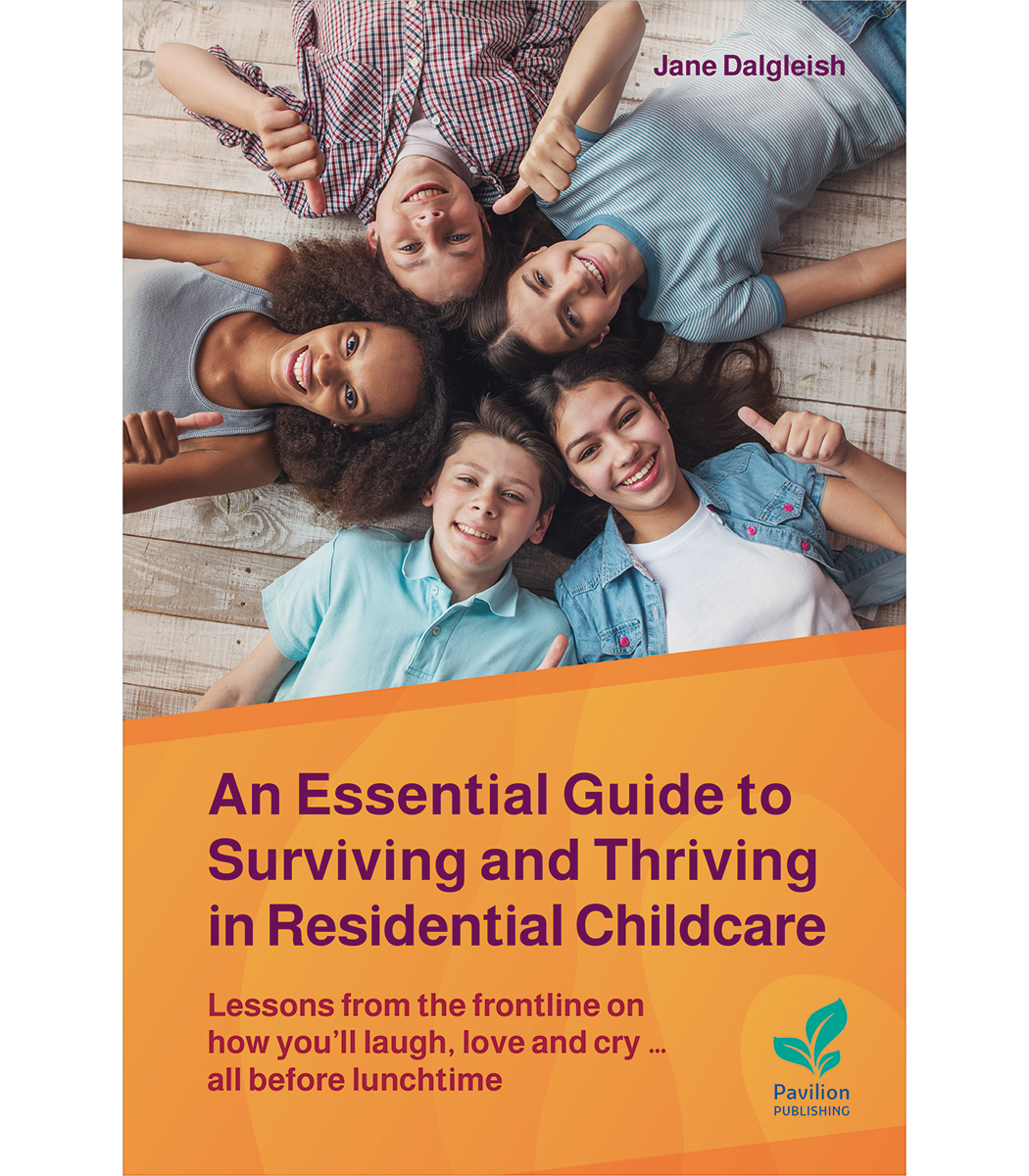
An Essential Guide to Surviving and Thriving in Residential Childcare: Lessons from the frontline on how you’ll laugh, love and cry … all before lunchtime

Essential Guide to Surviving and Thriving in Residential Childcare

Residential childcare is not just a job – something you clock in and out of and leave behind at the door. For any residential support worker, this guide offers valuable insight into the realities of the role.

It’s a vocation – a deeply human, emotional and demanding role that asks those who choose it to show up, every single day, and give of themselves for the sake of vulnerable young people who may never have known stability, trust or unconditional care. Making that commitment is hard for anyone, but it is harder still without a guide.

An Essential Guide for Every Residential Childcare Worker aims to be that guide. Written by an expert with more than twenty-five years’ experience in a range of frontline roles, it is a practical, jargon-free handbook that interweaves policy and core concepts with practical examples of daily practice.

Paying tribute to the resilience and dedication of residential childcare workers, and emphasizing their profound role in shaping young lives, it explores the skills, principles and practices that create safe, nurturing environments for children who have experienced trauma.

See a sample below

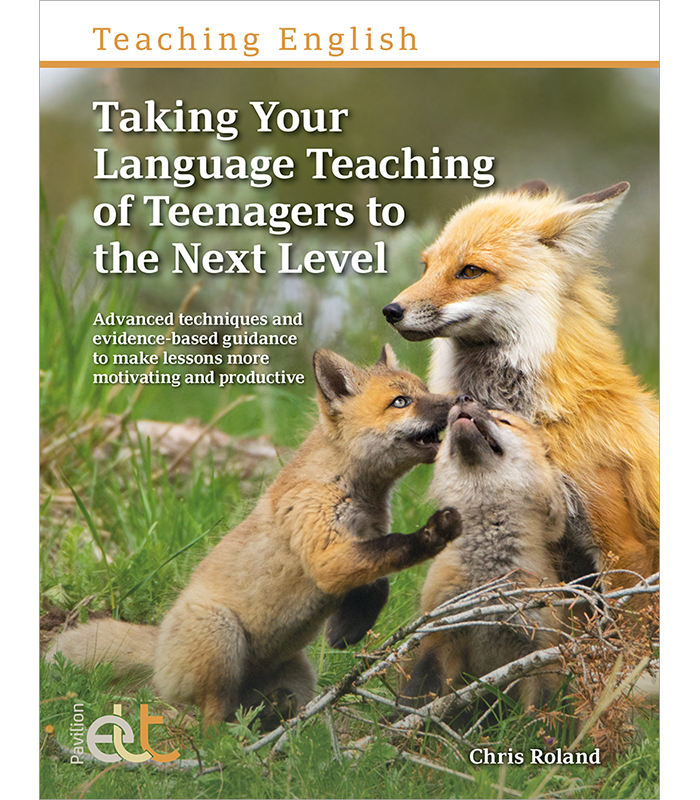
Taking Your Language Teaching of Teenagers to the Next Level

Taking Your Language Teaching of Teenagers to the Next Level

Teaching teenagers offers a range of challenges, but also comes with exciting and rewarding opportunities for both teachers and students. Taking Your Language Teaching of Teenagers to the Next Level explores what it is like to be a teacher of teenagers, delving into the teenage brain to help you get the most out of teenage learners and improve learning outcomes.

It provides creative and advanced teaching techniques, alongside meaningful discussion, accompanying images and practical applications, to help teachers take their teaching practice to the next level. It offers detailed and honest analysis that explores the challenges and opportunities teaching teenagers offers. Questions and challenges are posed throughout to encourage teachers to reflect on their teaching practice and review the evidence.

After having worked through the book and the suggested tasks in it, teachers will be better able to:
  • gauge and manage their own reactions to groups of teenage learners;
  • focus on the language their learners are producing and help them develop it;
  • negotiate desirable codes of behaviour with their students;
  • teach effectively in the face of resistance;
  • allow their teenage students the right sort of freedoms and autonomy;
  • implement a wide range of ‘next-level’ techniques and activities;
  • help prepare their learners for exams;
  • teach their learners how to write successfully across a number of genres.

“[A] thoughtful, hands-on, and often entertaining book.” – Ana Cecilia Cad, IATEFL YLTSIG

“If you have ever attended a talk by Chris Roland, you will immediately recognise his style. It is a style worth trademarking lest the rest of us imitate it. There is a levity and joy underscored throughout by humility, serious thought and earnest intention. His style has been very successfully transferred to the prose in his latest book, and this makes it an
absolute joy to read.” –
 Chris Richards, TESOL Spain Reviews, March 2026

“A lively, insightful book… Whether you are struggling to with your teens or you’re an experienced practitioner aiming to move forward your teaching trajectory, this book is a must if you need a thoughtful and entertaining companion on your professional journey.” – Armanda Stroia, IATEFL Voices, Issue 308, January/February 2026

Taking Your Language Teaching of Teenagers to the Next Level is part of the Teaching English series. Chris Roland is also the author of Understanding Teenagers in the ELT Classroom and Structuring Fun for Young Learners in the ELT Classroom,as well as the accompanying online titles. Both these titles offer practical ideas and accessible methodology for teaching teenagers and young learners. Taking Your Language Teaching of Teenagers to the Next Level offers more advanced analysis, ideas and tools to help you get the most out of your teenage learners.

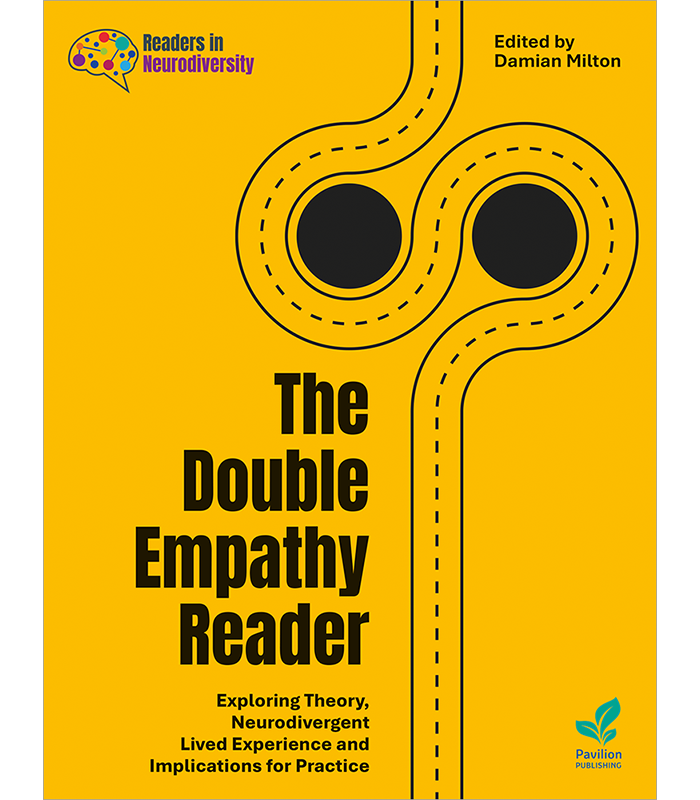
The Double Empathy Reader

Cover of The Double Empathy Reader

The Double Empathy Reader explores Damian Milton’s ‘double empathy problem’: the breakdown in mutual understanding that can happen between any two people yet is more likely to occur when people of differing dispositions attempt to interact. It challenges the traditional view that in exchanges between autistic and non-autistic people, this breakdown was simply the result of autistic people being inherently deficient in empathy.

Thirteen years after the theory was first published, The Double Empathy Reader brings together an important volume of work to explore the research that has developed in that time as well as the many gaps in our understanding that still exist, with the aim to understand the potential of this theory to aid a reframing of autism itself and the radical change this could bring when considering best practice models for supporting autistic people in different settings.

This title is the first in a new ‘Readers in Neurodiversity’ series, which follows Milton et al’s The Neurodiversity Reader, first published in 2020. In keeping with this earlier collection, this new volume also explores how the concept of the ‘double empathy problem’ may be of use in wider theory and practice regarding neurodiversity.

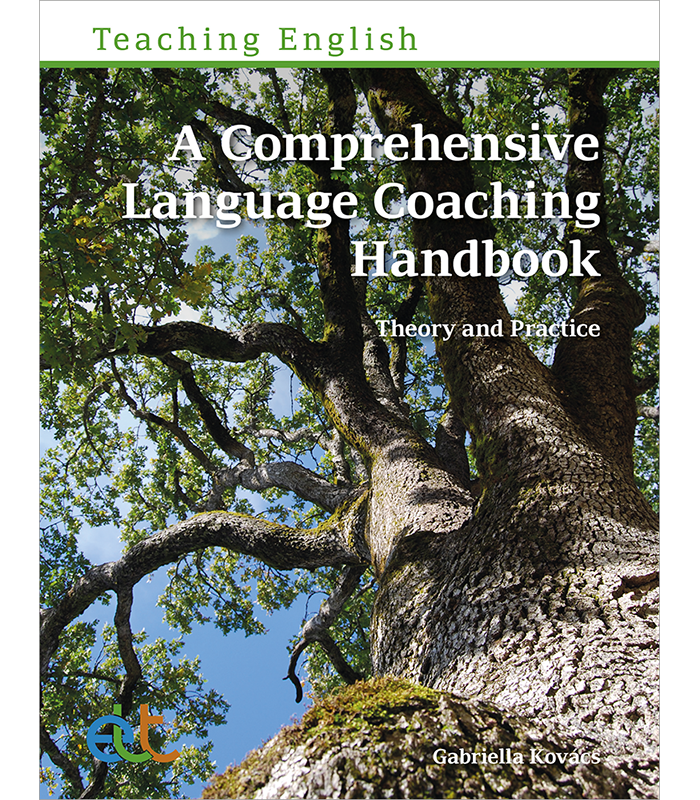
A Comprehensive Language Coaching Handbook

Cover image: A Comprehensive Language Coaching Handbook
Comprehensive Language Coaching Handbook aims to clarify fundamentals of language coaching. It provides definitions and descriptions of processes, alongside ready-to-use practical language coaching tools and useful case studies.

Coaching in ELT is often addressed as in how to coach teachers. Throughout A Comprehensive Language Coaching Handbook, Gabriella Kovács looks at how coaching skills and tools can be applied in the classroom directly with learners, both individually and in group work. In addition, at the end of each chapter, there is a chance to reflect on your language coaching and use experiential learning to build the best practice appropriate to you and your teaching context.

By using A Comprehensive Language Coaching Handbook: Theory and Practice you will:
  • improve your understanding of language coaching and its relation to language training and teaching practices;
  • be able to identify specific target clientele and situations when language coaching can support best;
  • be able to recognise when and how to apply language coaching practices;
  • develop an understanding of language coaching and related fields as an evidence-based framework;
  • have an understanding of how language coaching can be adapted in language teaching frameworks;
  • be able to reflect on your teaching and experiential learning at the end of each chapter.
This book also:
  • provides clear examples of language coaching tools and coaching interventions (explaining how they can boost language learner confidence, success and autonomy)
  • offers case studies in which the full language coaching process can be seen;
  • provides a base for creating personalised action plans;
  • gives specific coaching and language coaching models to adapt for the classroom;
  • shares insights from international language coaching practitioners;
  • look at mindsets in language professionals teaching and their learners’ approach to learning and provide ways to reframe.

A Comprehensive Language Coaching Handbook is part of the Teaching English series, which offers a mixture of methodology and practical ideas for teachers of English as a foreign language.

Reviews

“I found this resource really informative and useful for my own professional development. Reading the ‘Practice’ section was a lightbulb moment for me. It helped me to recognize ways in which I already act as a coach to my learners. However, it also made me reflect on how I’ve perhaps undervalued the coaching process during and outside of class time. With this in mind, I could see how some coaching techniques in general could be used with my learners during tutor time and PSHE sessions. I’d highly recommend the resource and would agree with the title – it is comprehensive! More than that, I found it an inspiring read – the author’s passion really comes through.” – Pete Clements, ELT Planning, written for IATEFL Voices 290. Read the full review here

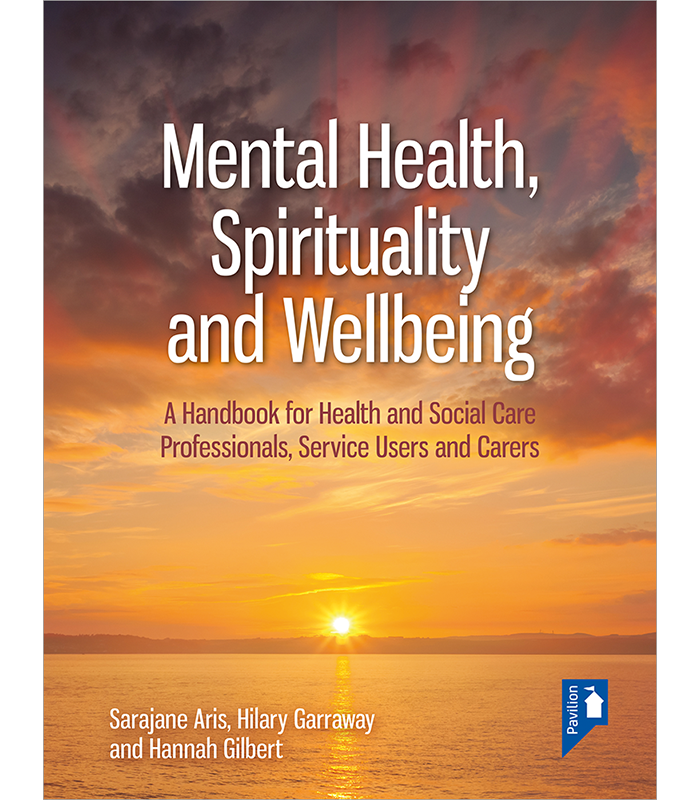
Mental Health, Spirituality and Well-being: A Handbook for Health and Social Care Professionals, Service Users and Carers

Mental Health Spirituality Wellbeing

A ground-breaking handbook exploring the nature of spirituality and it’s relevance to the mental health and well-being of people coming into contact with health, social care, education and allied support services. Incorporating the perspectives and experience of over 35 leading academics and practitioners in the field, the book offers a practical guide that includes the contemporary context, details of relevant demonstration projects and therapeutic interventions, and issues for services, staff, managers, leaders and trainers. Opportunities for reflection and practice pointers and offered throughout.

The book pays due attention to the current climate of the covid-19 pandemic and the trauma and mental health needs linked to it (both for patients and staff), black and minority ethnic and trans-gender issues, and the voice of mental health experts by experience. Organized into thematic sections, it offers an update to previous publications in the field, including a consideration of spirituality and the new landscape going forwards.

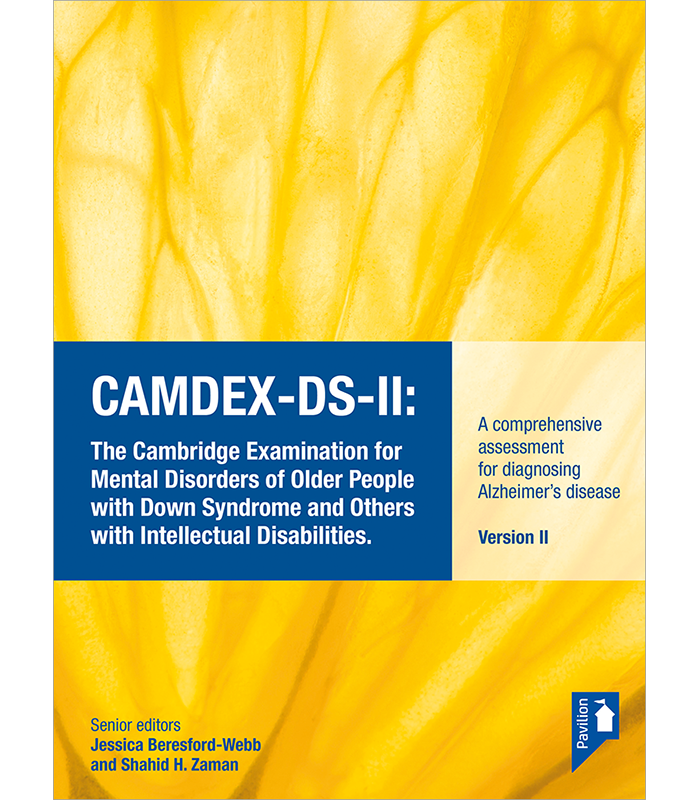
CAMDEX-DS-II: A Comprehensive Assessment for Dementia in People with Down Syndrome and Others with Intellectual Disabilities (2nd edition) – Starter Pack

CAMDEX-DS-II: A Comprehensive Assessment for Dementia in People with Down Syndrome and Others with Intellectual Disabilities (2nd edition) – Manual

The CAMDEX-DS-II is a fully updated second edition of a validated assessment for diagnosing dementia in people with Down Syndrome (a group known to be at particular risk of dementia), as well as others with intellectual disabilities. In order to differentiate decline due to dementia or other mental health issues from pre-existing impairment, particular emphasis has been placed on establishing change from the individual’s best level of functioning.

The CAMDEX-DS-II comprises a comprehensive manual including guidance for diagnosis, a structured informant interview to collect information about presenting symptoms and clinical history, a direct participant assessment (CAMCOG-DS-II), and a picture book to use in conjunction with the participant assessment. The CAMDEX-DS-II may be used in community settings by health professionals as part of the diagnostic process, or to formalise diagnosis in the context of research.

The Dementia Care Training Library: Starter Pack

Cover of the ringbinder The Dementia Care Training Library Starter Pack

The Dementia Care Training Library is an important new project designed to provide authoritative training materials across a wide range of dementia-specific topics. These topics have been chosen to relate directly to the learning needs of care staff working in a range of settings, including those dedicated to dementia and those where people with dementia are supported alongside people with diverse needs. The materials will help learners to develop and maintain person-centred practice.

The Starter Pack provides trainers with a master ring binder and two core modules of content: ‘Dementia Awareness’ and ‘Understanding Behaviour Viewed as Challenging.’ Over time, an array of further discretionary modules will become available in areas such as communication, sexuality, teamwork, the physical environment and quality of life, enabling trainers to build a customised library of the content they need to meet the needs of learners and the people they care for.

The training materials take an Action Learning approach. This means a balance of information and practice-based activities. It allows learners to reflect on and apply new knowledge in real time as a team, which in turn leads to improved practice in care.

You may also be interested in Dementia Awareness

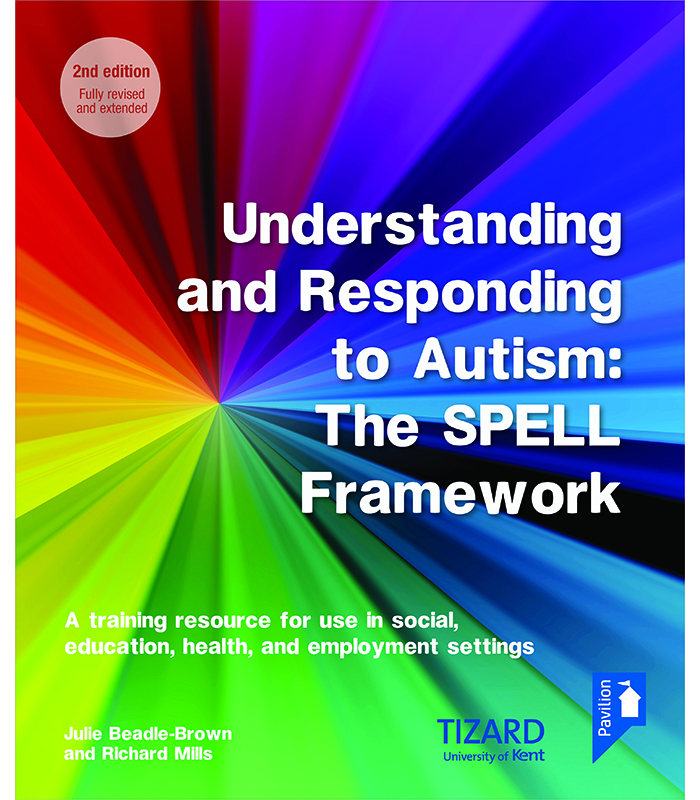
Understanding and Responding to Autism: The SPELL framework (2nd edition)

Cover of the book - Understanding and Responding to Autism The SPELL framework (2nd edition) - A training resource for use in social, education, health and employment settings

A fully revised, new edition of Understanding and Responding to Autism: The SPELL Framework (2nd edition) including new video, self-study guide and learner workbook.

These new training and self-study resources reflect the changes in the autism context in the UK as well as in many other countries, and the valuable experience the authors have gained from many years of using the original resources for training in many different settings.

This training pack is designed for those who wish to lead more traditional classroom-based training, which is still the recommended option for delivering training in understanding and supporting people on the autism spectrum. The resource includes:

  • PowerPoint presentations for the training
  • The trainer’s guidelines which include:
    • Instructions
    • Background information
    • Optional examples and thinking activities
    • Ideas for tailoring the presentation to different audiences
  • A copy of the self-study guide, which mirrors the trainer’s guidelines from the pack, and therefore provides the background information needed to run the training in a convenient format. It also provides a self-study route through the content, guiding the reader through the materials and when to watch particular videos and do the various exercises and activities, to encourage independent thinking and learning
  • A learner workbook for classroom-based training with key points from each element of the training, some additional background information and space to complete the exercises during the sessions etc.
  • Training evaluation form and attendance certificate

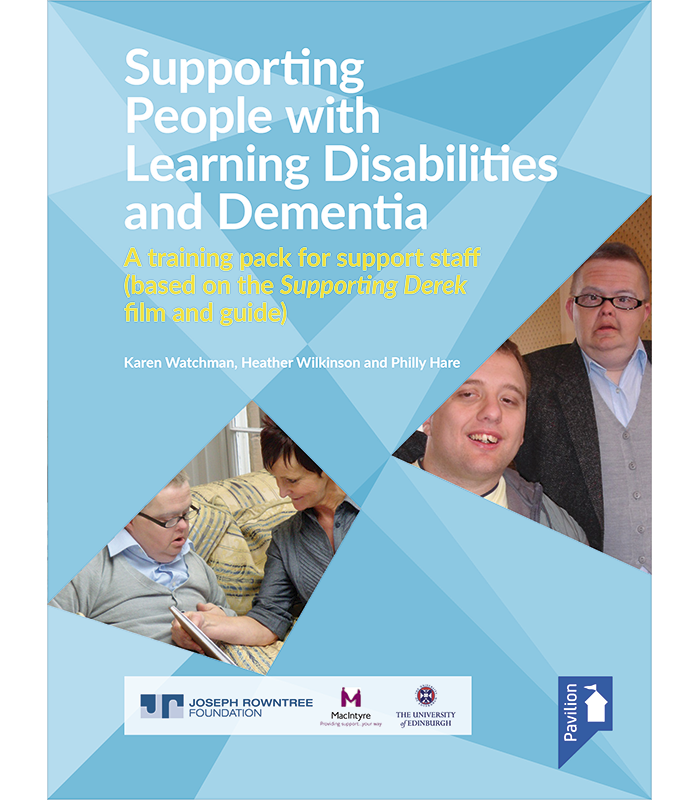
Supporting People with Learning Disabilities and Dementia Training Pack

Cover of the book - Supporting People with Learning Disabilities and Dementia - A training pack for support staff (based on the Supporting Derek film and guide)

Within this pack you should find everything needed to deliver individual training sessions or, combined, as a half or full day training course. The Supporting People with Learning Disabilities and Dementia Training Pack aims to:

  • equip staff and volunteers with the confidence and knowledge to provide a high quality of support that is appropriate to each person with a learning disability and dementia
  • support staff and volunteers to reflect upon, and develop, the provision of care based on the experiences, context and preferred outcomes for each person with a learning disability and dementia
  • provide materials, information and points for discussion that will support ongoing learning and development.

The main objective of the pack is to promote holistic support that will maintain the abilities of the individual and provide them with services that meet their needs. It is important that people with a learning disability and dementia:

  • have choice and control over the support and services they receive, now and in the future
  • maintain meaningful and supportive relationships with family, friends and the wider community
  • remain in their own accommodation, if appropriate and desired.

Included in the pack are four resources:

  1. The trainer guidelines, including the Powerpoints, resources and handouts needed to run the training.
  2. Supporting People with Learning Disabilities and Dementia Self-study Guide: A self-study guide for support staff and carers for trainers to refer to. Each section in the guide is structured around one of ten topic areas, ranging from background information about dementia and learning disability to end-of-life planning. Each topic area will prompt thinking about practice and development of skills, promoting changes to support which are focused around each individual, rather than expecting the individual to fit the service. The self-study guide can be used as a standalone resource and is available to purchase separately from the training pack for trainees who would like a self-study resource to refer to after the training.
  3. Supporting People with Learning Disabilities and Dementia: A practice development guide for support staff and allied health professionals. The practice development guide provides an overview of content from the self-study guide and the trainer guidelines. It can be provided to learners at the training sessions to supplement the training materials and is available to download.
  4. An online link to the ‘Supporting Derek’ film.