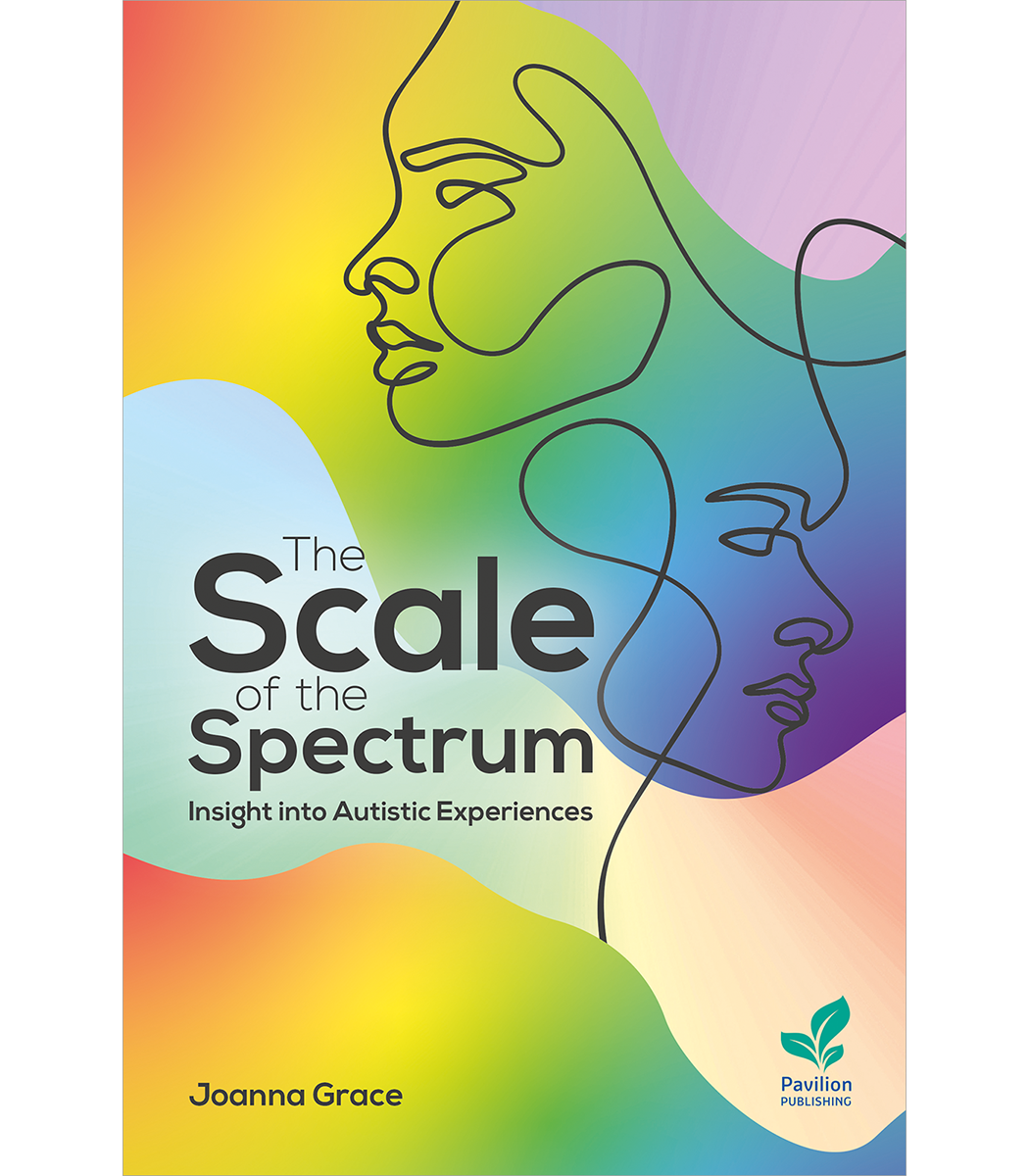
The Scale of the Spectrum is an accessible collection of ‘story pairs’ exploring the commonality of autisticexperience. Each story pair tells an account of an autistic person with high support needs and/or their behaviour being misunderstood, alongside an experience of an autistic person with low support needs. Their stories are organised in two sections. In the first, understanding of an autistic person with high support needs is discovered through the experience of a person with low support needs; in the second, an autistic person with low support needs comes to better understand their experience by relating to a person with high support needs. The contributors discuss diverse challenges including food, communication, time management, pain, sensory overwhelm and mental health.
Throughout the book, the contributors argue for a unity of overall autistic experience and ask the question of if people at ‘opposite’ ends of the autism spectrum are really so different from each other.
The third edition of Understanding and Responding to Autism builds on the successful SPELL framework, extensively updated by a team of autistic authors and allies following years of experience training in different settings. Featuring new and updated material, this resource offers a person-centred, neurodiversity-affirming approach, which reflects the many developments in this field since the last edition. The pack is designed primarily for those who wish to lead classroom-based training, which is the recommended way to deliver training of this kind successfully. Aimed at health and social care workers, professionals in the wider education system and employers looking to improve their workplace, this revision is also relevant for a range of further settings and professionals – including those working in mental health services within the community and criminal justice systems. The updated SPELL framework (3rd edition) in this comprehensive guide, tailored for educators and professionals to enhance autism training and support.
This essential handbook provides a self-study route through the successful SPELL framework, which promotes the understanding of autism and offers a person-centred, neurodiversity-affirming approach. The book guides the reader through the updated and revised materials, highlighting when to watch particular videos and do the various exercises and activities. It also includes a new audit, which attendees can bring back to their school, service, or workplace to assess their environment against the principles of the SPELL framework and look at ways to make improvements. Aimed at health and social care workers, professionals in the wider education system and employers looking to improve their workplace, this updated revision is also relevant for further settings including those working in mental health services within the community and criminal justice system.
Happiness A to Z is a practical guide to increasing personal happiness, presented as an alphabet of twenty-six simple, easy-to-implement strategies.
Each chapter looks at the evidence, mechanisms, benefits and applications for a single strategy: Appreciation; Bonding; Collaboration; Digital Detox; Emotions; Forgiveness; Gratitude; Helping; Intentions; Journaling; Knowing; Learning; Meaning; Nature; Optimism; Playfulness; Quiet; Relaxing; Savouring; Time; Uniqueness; Values; Willingness; Xcel; Yay!; and Zest. Woven throughout the material are short personal stories from well-known names in the field of happiness and human performance including Robert Biswas-Diener, Marcia Reynolds and Jonathan Passmore. Motivational in tone, broad in scope and packed with insider tips and straightforward advice, Happiness A-Z is an essential resource for anyone seeking to cultivate greater joy in their own life and the lives of others.
A complete guide to understanding and maximising your own happiness and the happiness of others, presented as an alphabet of techniques that are practical, easy to implement and enhanced by personal stories from key names in the field. With contributions from Robert Biswas-Diener, Jonathan Passmore, Marcia Reynolds and Lindsay Oades.
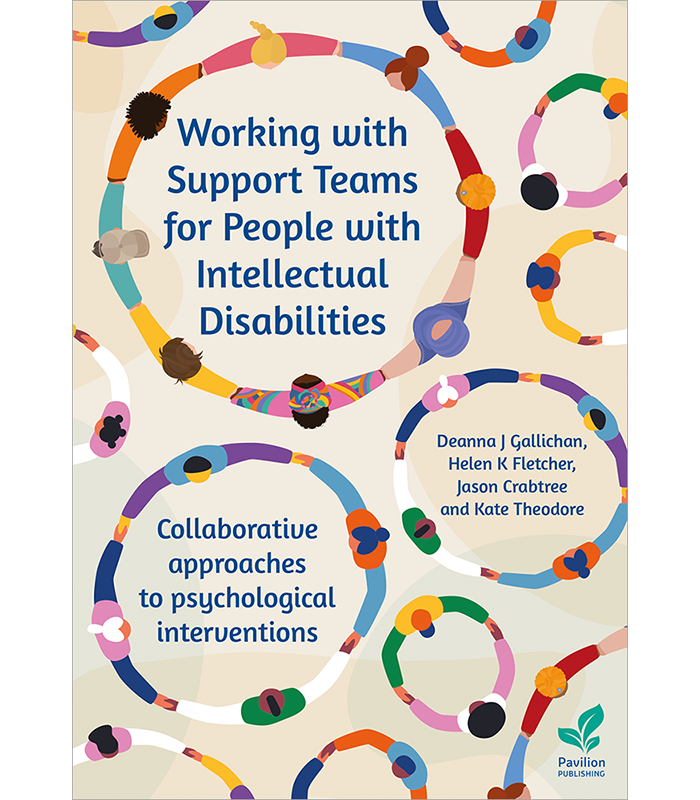
Learn key principles for working with support teams to deliver effective interventions for people with intellectual disabilities. Practical and evidence-based insights await.
This edited collection will introduce the key principles for providing interventions with support teams of all kinds who work with people with intellectual disabilities (ID). These teams will often be part of external organisations, and despite this ‘indirect’ work being an important part of working psychologically with people with ID, there is little in the way of evidence-based practice in this field largely due to variations in practice.
Informed by practice-based evidence, this book will introduce the foundational principles that can be applied before moving to chapters that focus on specific theoretical and therapeutic approaches such as Cognitive Analytic Therapy, Compassion Focused Therapy and Positive Behaviour Support interventions, with case examples and practice guidance offered to support the application of these ideas into practice.
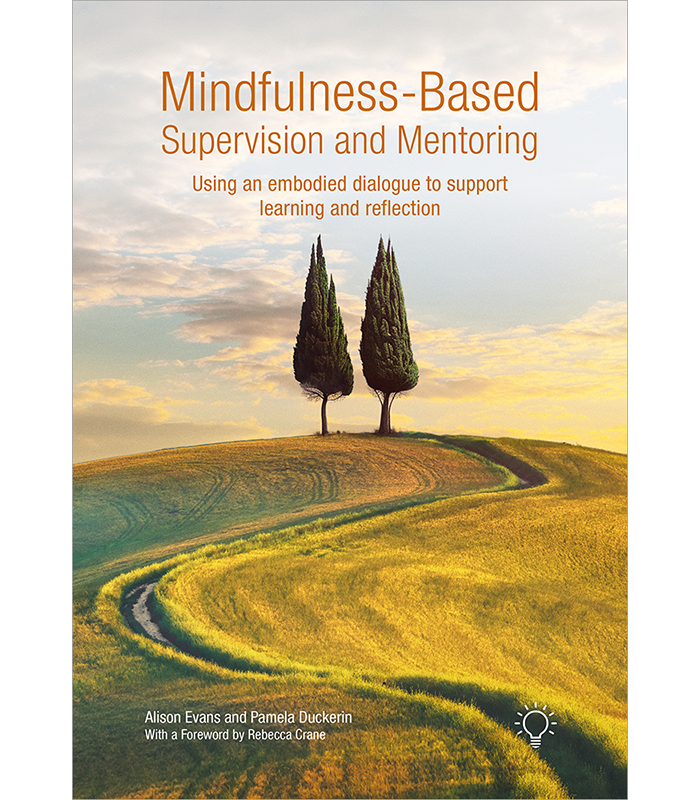
The Mindfulness-Based Supervision (MBS) framework is based on a weaving metaphor of the warp and the weft. The warp is consistent and forms the foundation of the approach. It consists of four key threads: the mindful container; mutual relational inquiry; the use of pauses and space; and a mindfulness-based theoretical and pedagogical background. Exploring a unique mindfulness-based approach (mindfulness practice) to supervision that is both framework-driven and practice-led. Discover the transformative power of mindfulness-based supervision through a distinctive framework that brings together theory and practice to support effective practitioner development.
The weft refers to the threads woven through this foundation. These vary in colour and texture depending on what is being created, allowing the MBS approach to be applied in a range of ways. It can be used across different contexts and settings, with supervisees who have varying developmental needs, and through a variety of teaching approaches. The book also considers how mindfulness-based practitioners can apply this approach in other areas of their work, including supervisionwithin psychotherapy, education and related fields. It offers a flexible and adaptable model that extends beyond mindfulness-based programmes alone.
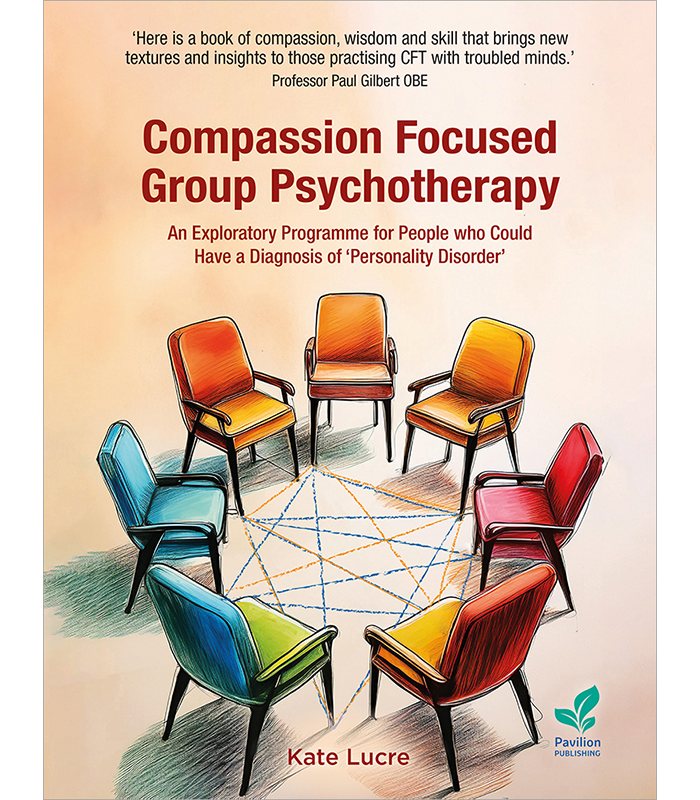
Compassion Focused Group Psychotherapy is a practical and case-illustrated handbook introducing an innovative new model of group-based psychotherapy. Developed for people with complex emotional needs who may attract a diagnosis of ‘personality disorder’.
Traditionally, people with attachment and relational trauma have been excluded from longer-term psychological therapies on the basis that they are ‘hard to engage’ and considered ‘untreatable’. This new model of group psychotherapy is underpinned by the theory and practice of Compassion Focused Therapy (CFT), with necessary adaptions to address the challenge of meeting the needs of individuals with complex trauma. This comprehensive handbook provides an overview of the five-phase model of Compassion Focused Group Psychotherapy (CFGP), including case vignettes and qualitative data from patients who have completed the programme.
Ideal for psychologists, psychiatrists and mental health staff, this publication will be the first to offer clinicians a step-by-step guide to setting up and running CFGP groups alongside accessible theory and practice tips.
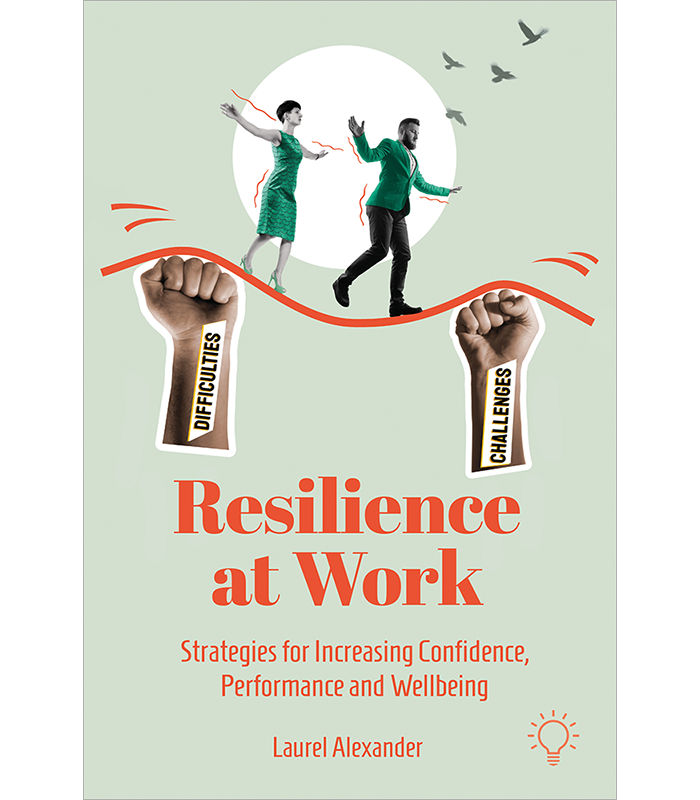
Adopting a cognitive behavioural approach to moving beyond ‘learned helplessness’, and drawing on mindful awareness of thoughts, feelings and behaviours, Resilience at Work draws on plentiful case studies, self-assessment exercises and a journaling approach to improve skills and performance in areas such as confidence, communication, managing change and nurturing self-esteem. Boost your resilience at work with this practical self-coaching guide. Improve confidence, communication and manage change effectively using mindful strategies.
Our working lives are full of challenges. Some we generate ourselves, such as wanting a new job, and others are externally generated, such as being the victim of workplace bullying. Both sorts of situations require resilience to manage them effectively. Yet natural levels of resilience vary significantly. How one person responds to redundancy, for example, may differ greatly from someone else, as they are two individuals bringing variable experiences and expectations to the situation.
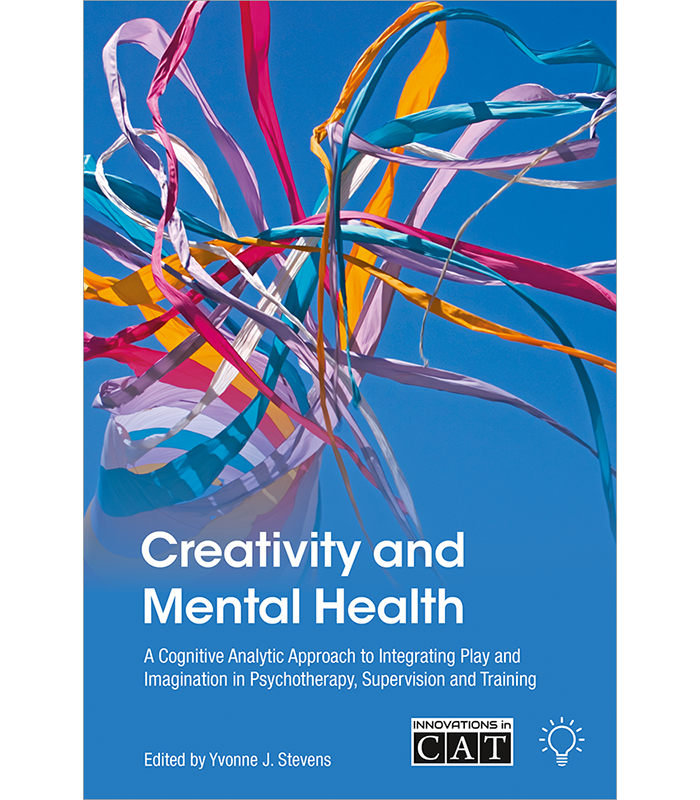
Creativity can be vital to mental health and well-being. Featuring case accounts from therapeutic journeys that have used creative approaches, Creativity and Mental Health explores how both novice and seasoned CAT therapists can engage relationally with their creative selves and in doing so enable a more open and flexible exploration with their clients and trainees. The book is structured in three parts. The first sets the scene by discussing creativity and play as an aspect of mental health.
The second considers the creative as a freestanding therapeutic approach in forms such as dramatherapy and imagery work, or as a nonverbal means for accessing, expressing and healing trauma – with detailed techniques that can be integrated into practice. The final part looks at a variety of ways in which individual trainers and supervisors have merged their own interests and gifts with the CAT framework.
A practical and wide-ranging guide to approaching therapeutic work with creativity, openness and imagination, and to integrating a variety of playful and relational techniques when utilising Cognitive Analytic Therapy (CAT) with clients. Part of the Innovations in CAT series.
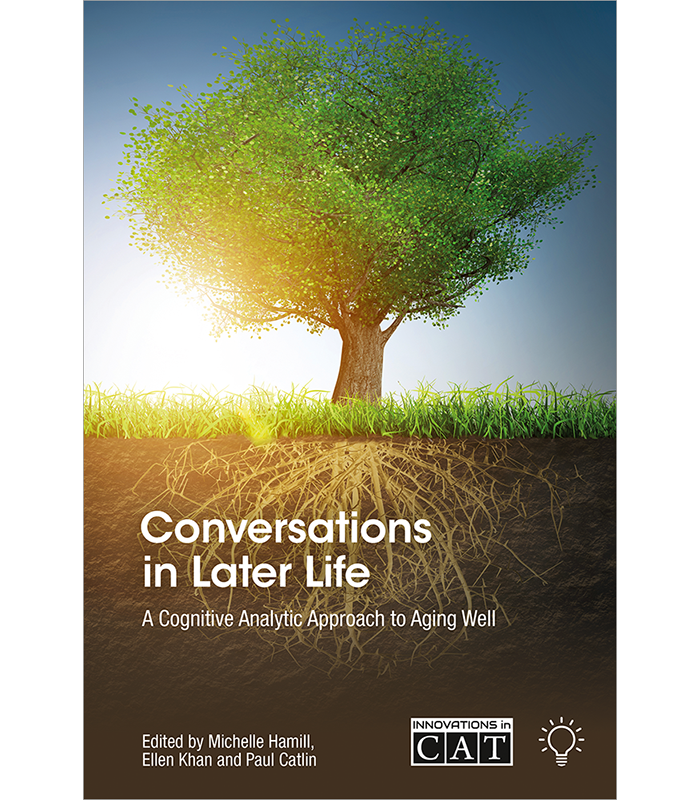
Conversations in Later Life can be a time when our established routines and coping strategies are challenged by retirement, losses, changes in social role and disabilities, resulting in frightening threats to the integrity of self. Such changes may jeopardise longstanding and cherished ways of relating – patterns that may seem to be bound up with our very identity, but which may become problematic or restrictive as circumstances evolve.
Part of the ‘Innovations in CAT’ series, and written by CAT practitioners along with service users, Conversations in Later Life offers an antidote to the philosophy of ‘don’t make a fuss’. Taking a lifespan approach, it provides an understanding of emotional difficulties in later life along with a means to look after feelings in order to better manage distress. With its emphasis on social context and development of the self over time, CAT is well-placed to explore issues of identity as they evolve with age.
Free UK Postage on all orders over £20 in UK - sign up to our newsletter for 10% off your first order. Dismiss
We use cookies on our website. One group is essential for our business and another provides third party services. Click OK to accept all cookies, Opt-out to refuse services cookies, or visit our Cookie Policy.