Trauma and Dissociation Understanding Early Trauma, Mind Programming and Installed Dissociative Identity Disorder
Joining expert knowledge about trauma, mind programming & dissociation from both lived experience & the perspective of a therapist, this book is designed to help people living with a dissociative disorder as well as carers supporting them & helping to aid their recovery. This important book joins expert knowledge about trauma, mind programming and dissociation to tell a deeply personal story of survival, and to provide training and therapeutic approaches to people living with installed Dissociative Identity Disorder (DID) and those who support them.
Dissociation allows one or more aspects of an experience to be stored in the brain separately. This can occur to prevent a person being overwhelmed when an event is perceived as too traumatising. Sadly, some individuals and groups seek to exploit this phenomenon by using mind programming techniques to forcibly install dissociation at the expense of others. With a focus on the use of systemic mind programming in the context of cults and the associated trauma of this ritualistic abuse.
Trauma and Dissociation provides an overview of the origins of dissociation, its links to mind programming and the history that underpins the importance of understanding early trauma and trauma-informed care. With a foreword and chapter by Valerie Sinason, a renowned expert in the field of dissociation, the last two sections focus on personal survival stories, a journey through therapy from an expert by experience, theories of attachment and early trauma and established training approaches for support staff.
The book aims to inform and empower survivors and those who support them, such as a carer, family member or mental health professional, and aid the journey towards the understanding and tolerance of a complex psychological condition.
‘Free to be Me’ is a course manual providing the guidance and resources needed to run a course with individuals or groups based on a new model of CBT, Holistic Cognitive Behaviour Therapy (HCBT). Building on the standard CBT model, it can easily be used by those familiar with CBT. Its ‘trans-diagnostic’, person-centred approach means that it can be used as part of the therapy offered in any mental health and related setting, and as a personal development course in faith and community groups.
The course consists of 16 weekly sessions and comes with PowerPoint slides, handouts and facilitator guidance, helping participants to develop an affirming view of themselves as unique individuals. The course offers standard CBT techniques alongside a wealth of other creative exercises to change the unhelpful thinking styles and behaviours that may hinder people from accessing their potential. A companion book ‘Holistic Cognitive Behaviour Therapy’ provides a theoretical overview of this approach and its applications.
Those with mental health difficulties can sometimes feel disconnected from their identity and can lose sight of who they are and what they value. Holistic Cognitive Behaviour Therapy (HCBT) is a new model that builds on the standard CBT approach to help people connect with their sense of identity and meaning in life. It has come out of clinical practice with real clients in secondary mental health settings working with complex and severe mental health in London, with many clients coming from ethnic minorities and inner-city contexts. HCBT can be used in any therapeutic or personal development setting and encourages an appreciation of different cultures and different worldviews, particularly relating to spirituality.
In addition to being a useful way of offering CBT within different cultural and religious contexts, it would be useful in communities where participants may be reluctant to engage with mental health services due to these services appearing not to recognise their spiritual views or not routinely exploring spirituality within the therapy.
The book describes how the Holistic Cognitive Behaviour Therapy (HCBT) model grew from patients bringing their spiritual beliefs and their socio-economic and cultural context into CBT sessions, factors sometimes missed in standard CBT. Holistic CBT is explained as a new strengths-based, solution-focused and creative model, exploring people’s identity and potential within their individual context, and recognising a body-mind-spirit link. The book sets out the process of this transpersonal, third wave CBT approach, recognising the importance of relating to different racial and cultural worldviews, and in particular, raising the profile of spirituality as an important aspect of people’s lives. An excellent reader for those looking to extend their therapeutic practice in mental health, community and faith settings. A companion course manual ‘Free to be Me’ by the same author provides guidance and resources for running HCBT sessions with individuals and groups.
Those with mental health difficulties can sometimes feel disconnected with their identity and can lose sight of who they are and what they value. Holistic Cognitive Behaviour Therapy (HCBT) is a new model that builds on the standard CBT approach to help people connect with their sense of identity and meaning in life. It has come out of clinical practice with real clients in secondary mental health settings working with complex and severe mental health in London, with many clients coming from ethnic minorities and inner city contexts. HCBT can be used in any therapeutic or personal development setting and encourages an appreciation of different cultures and different worldviews, particularly relating to spirituality. In addition to being a useful way of offering CBT within different cultural and religious contexts, it would be useful in communities where participants may be reluctant to engage with mental health services due to these services appearing not to recognise their spiritual views or not routinely exploring spirituality within the therapy.
ADHD and Attention Difficulties provides a complete introduction to this complex and sensitive topic. The book explores the issues, challenges and experiences commonly faced by a young person with ADHD – and how parents, carers, teachers and schools can help. The premise of the book is that those who struggle with attention difficulties respond best to people who understand that it is neurological deficits, not unwillingness, that prevent them from behaving and learning like their peers.
A complete, straightforward guide to the issues and challenges commonly faced by children and young people with ADHD and attention difficulties at home and at school – and the practical ways in which parents, carers, teachers and schools can help.
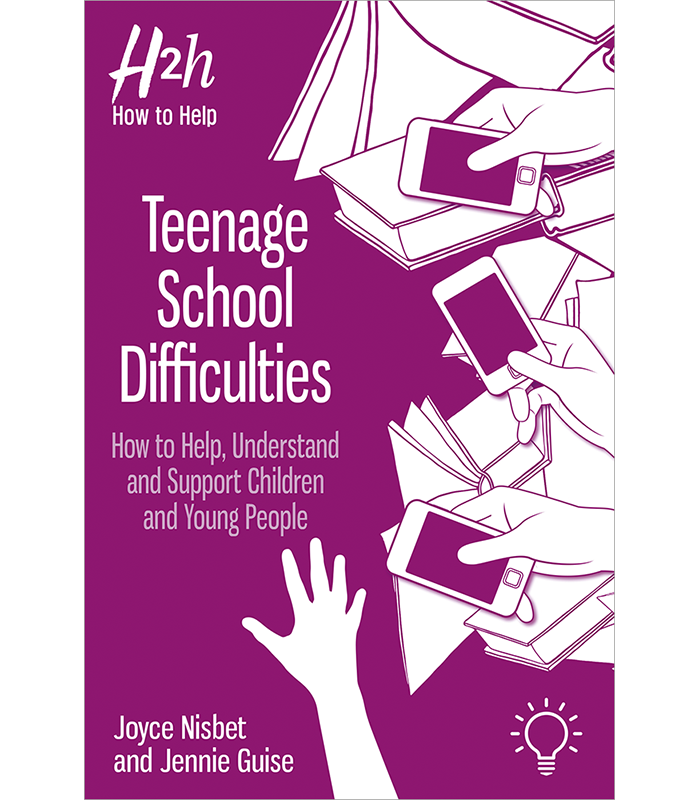
Part of the How to Help series of books exploring issues commonly faced by children and young people at home and at school, Teenage School Difficultiesoffers a complete introduction to the pitfalls of navigating secondary education while at the same time facing the ordeals of adolescence. When young people are coping with issues at school, whether it be an obvious challenge such as increased workload or a more personal one such as family illness, the playing field becomes less even for them and they can easily lose out with long-term consequences. Furthermore, every individual is different and requires personalised support. Using case studies to share practical advice based on years of first-hand experience managing these issues in real schools, Joyce Nisbet and Jennie Guise explore why it is crucial for everyone involved to pull in the same direction – and how parents, carers, teachers and schools can help.
A complete, straightforward guide to the issues and challenges commonly faced by children and young people as they face up to the demands of secondary education – and the practical ways in which parents, carers, teachers and schools can help.
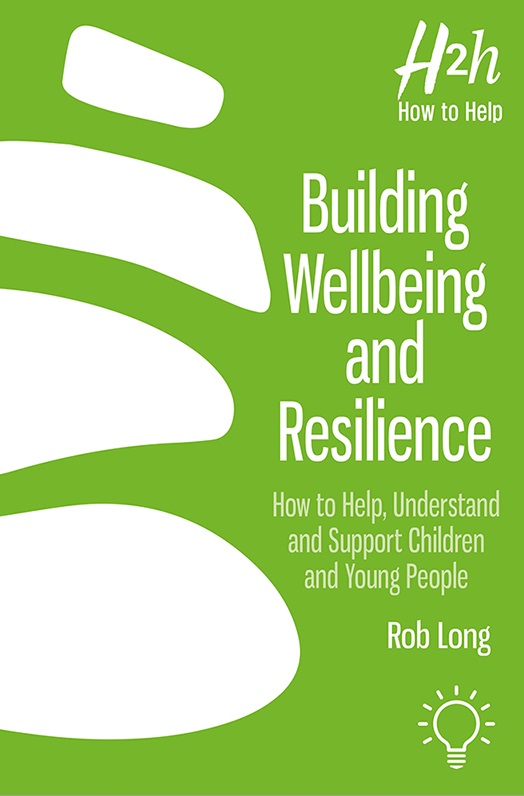
A complete, straightforward guide to the issues and challenges commonly faced by children and young people as they develop building wellbeing and resilience – and the practical ways in which parents, carers, teachers and schools can help.
Part of the How to Help series of books exploring issues commonly faced by children and young people at home and at school, Building Wellbeing and Resilience offers a complete introduction to these critical yet frequently misunderstood topics. Often confused with mental health or physical wellness, wellbeing fuses aspects of both and wider elements into a general sense of ‘how we are’. Resilience, meanwhile, is the ability to deal with adversity and move forward. High wellbeing fosters resilience and, in a virtuous circle, resilience is linked to high levels of wellbeing. Exploring these topics along with related issues such as measuring wellbeing, using positive psychology approaches to boost strengths and the impact of neurodiversity, Rob Long considers the importance and impact of wellbeing and resilience at home and in the classroom – and how parents, carers, teachers and schools can help.
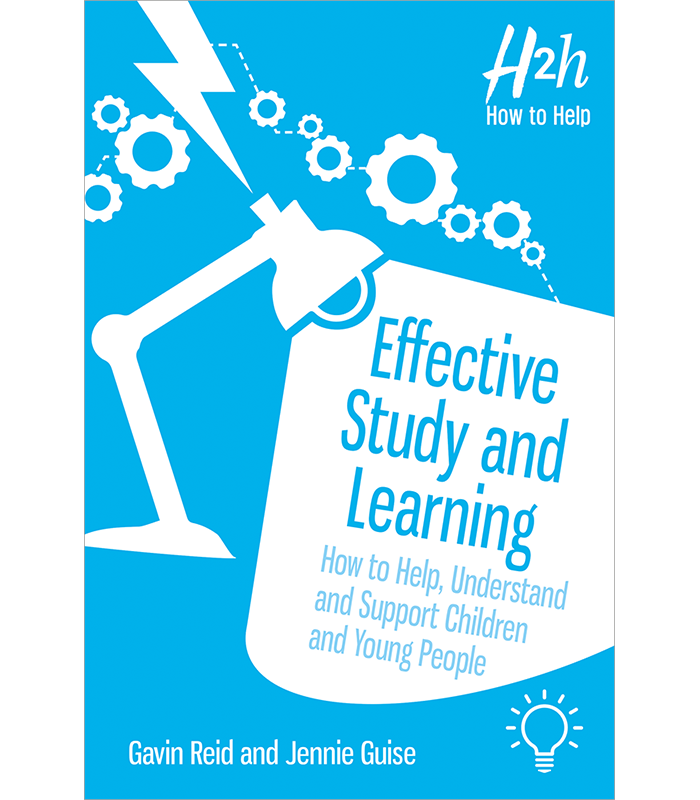
Discover practical strategies for effective study and learning to help children reach their full potential. Essential tips for parents, teachers, and carers.
Part of the How to Help series of books exploring issues commonly faced by children and young people at home and at school, Effective Study and Learning offers a complete introduction to these critical yet frequently overlooked topics. Many young people exert considerable effort in ‘studying’ but still come away disappointed with the results, particularly when faced with traditional written exams. All too often, they fail to fulfil their potential not because of a lack of hard work, but because they have not mastered the study and learning techniques that are fundamental to success in education and eventually in the workplace.
Highlighting why self-knowledge and understanding one’s own learning style and preferences are critical to success, Gavin Reid and Jennie Guise consider the skills and strategies required for effective study and successful learning – and how parents, carers, teachers and schools can help.
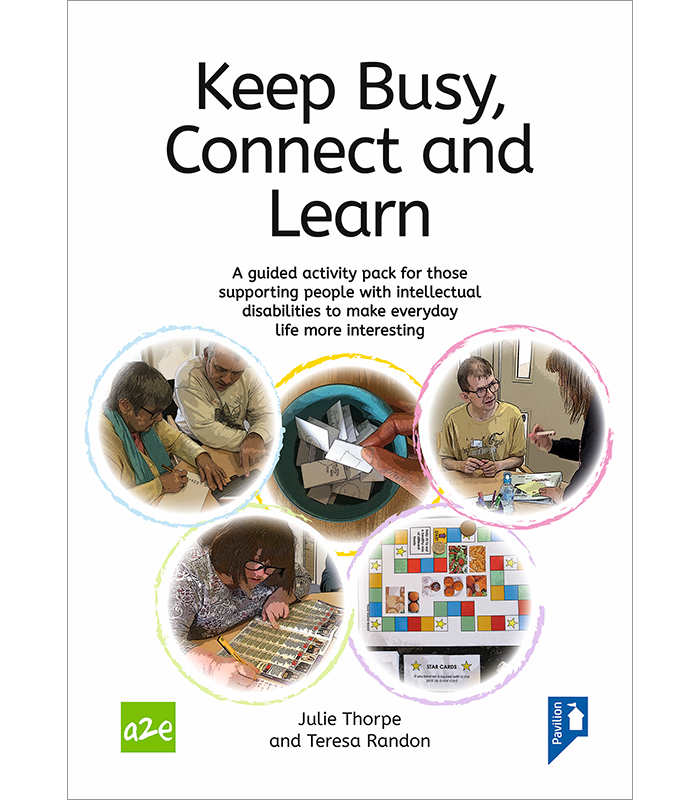
Enhance support for individuals with intellectual disabilities, our fully illustrated activity pack. Keep busy, connect and learn through 52 proven activities.
This practical, fully illustrated manual is packed with easy-to-run, fun activities for individuals and groups of people with intellectual disabilities who may be at risk of boredom and under-achievement. Recognising the extra restrictions which the covid-19 pandemic is placing on people in supported settings or living with families, the hands-on manual brings together a wealth of tried and tested ideas, specially designed to engage people with diverse learning, physical or behavioural needs, with or without support as needed.
Each of the 52 clearly structured activities has plain English guidance to help the person to achieve, plus options to extend it further, utilising everyday resources available in most homes and other settings. The accompanying guidance, based on Adult and Community Education principles, enables support staff and others to provide fulfilling activities led by the interests and needs of the person, and to reflect on delivery of each activity and lessons learned.
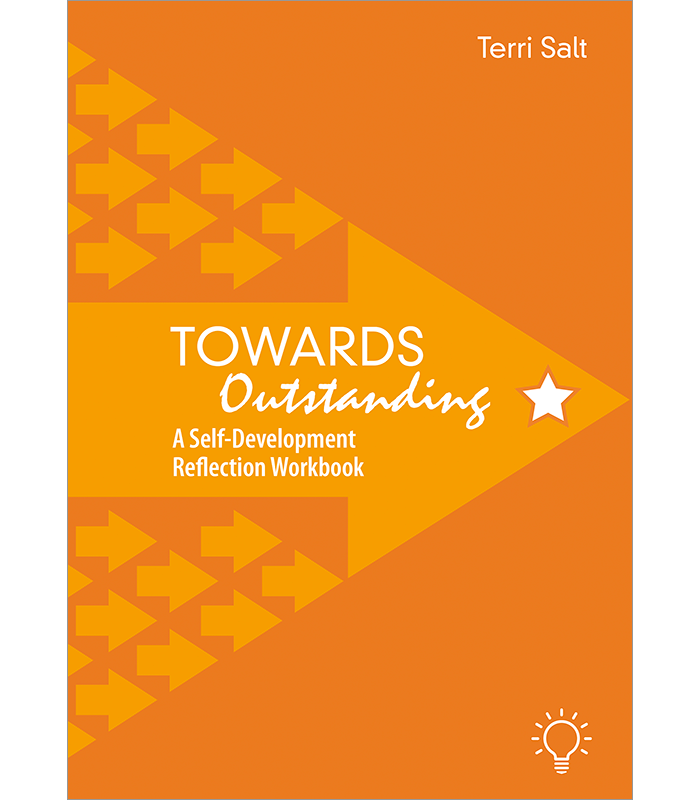
Reflection is a process by which professionals consider experiences to gain insights about their practice. It supports people to continually improve the way they work and the care they provide, it allows for mistakes to be accepted and analysed rather than repeated, and it is encouraged by professional bodies wishing to foster improvements in services and continuous professional development. Specifically designed for staff working across health and social care, this self-development workbook guides users to reflect on experiences, focus their thoughts, generate new ideas about what good practice looks like, and understand the impact of their actions on others.
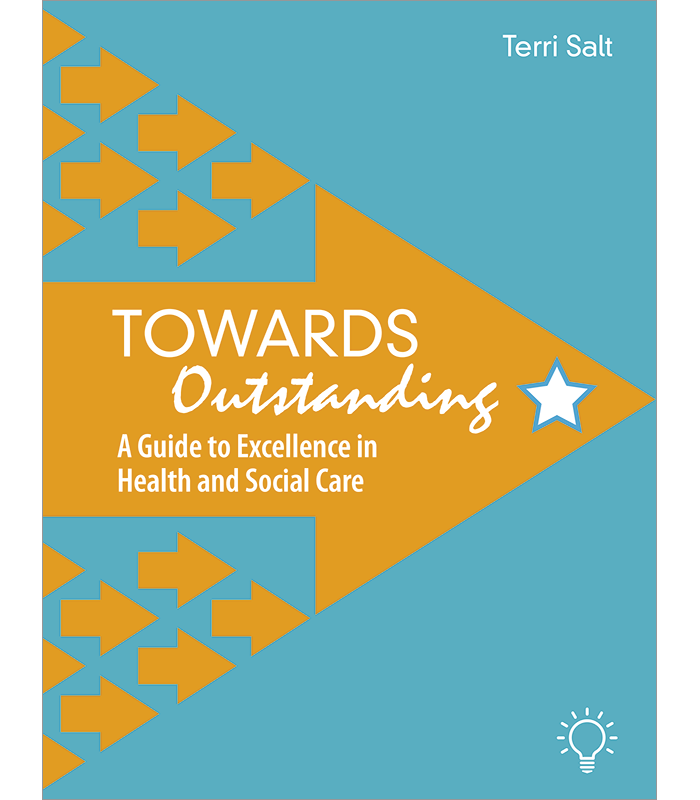
Expert CQC inspector Terri Salt stresses that through careful reflection everyone in service can make a difference – and that only when every member of staff seeks to do so can services move beyond the ordinary and start to become genuinely ‘Outstanding’. Written by a highly experienced senior CQC Inspector, Towards Outstanding offers an inside look at the qualities and approaches that lead to ‘Outstanding’ ratings in health and social care.
Towards Outstanding is an essential guide for health and social care services that are regulated by the Care Quality Commission. Written by a senior CQC inspector, it shows how a mindset of getting the basics right then applying context-specific finishing touches can allow any service to drive improvement and move towards an ‘Outstanding’ rating. The author also explores why, in addition to other patient and organisational benefits, good care is cheaper to provide than poor care.
Structuring her advice around the ‘five questions’ that CQC inspectors use (are services safe, effective, caring, responsive and well-led?), she draws on personal vignettes to paint a picture of a service where trust, positivity, a shared vision and a commitment to continuous improvement allow staff to generate new ideas, reflect on best practice, raise concerns where necessary and keep the patient at the centre of all activity. Discover how to achieve excellence in health and social care with practical insights.
Free UK Postage on all orders over £20 in UK - sign up to our newsletter for 10% off your first order. Dismiss
We use cookies on our website. One group is essential for our business and another provides third party services. Click OK to accept all cookies, Opt-out to refuse services cookies, or visit our Cookie Policy.