Towards Outstanding: Enabling Excellence in Care Home Provision

Towards Outstanding - Enabling Excellence in Care Home Provision

Outstanding residential care is personalised not packaged, and prevention is far better than dealing with the results of poor care. Yet driving improvement in service provision requires a process of continuous organisational learning to embed best practice. This unique resource provides all that is needed to create a framework for assessing a care home’s strengths and weaknesses and taking the first steps on the road towards an ‘Outstanding’ rating. Drawing on decades of inspection experience, Terri Salt provides a suite of forms and templates that – with appropriate planning, discussion and collaboration – can serve as the basis for a full quality assessment as well as being built into a regular cycle of monitoring and continuous improvement.

Using these tools, staff can learn to enjoy the experience of delivering the very best care to patients – and leaders can provide them with the tools and freedom required to do so. Discover how continuous learning and personalised care drive residential services towards outstanding ratings. Essential tools for quality improvement await.
Towards Outstanding: A Staff Training Resource for Health and Social Care

Towards Outstanding - A Staff Training Resource for Health and Social Care

This resource is designed to facilitate and support the delivery of training for care services staff. Like other Towards Outstanding titles, it is built on the premise that reflection is a critical tool for driving improvement. Along with the core text Towards Outstanding: A Guide to Excellence in Health and Social Care (to which trainees require personal or shared access) and Towards Outstanding: A Self-Development Reflection Workbook (of which they should own a personal copy), it explains why reflection, assessment and continuous improvement are critical ingredients of exceptional care.

With this foundation in place, a series of sessions spanning a wide range of topics allow staff to explore and collaborative plan the best way for their own organisation and team to move forward. Interactive and engaging, the wisdom and practical guidance contained in this resource can set any service on the road to an ‘Outstanding’ rating.

Just Read! Student Workbook

Cover for the book - Just Read! Student Workbook

Just Read! Student Workbook is a reading education system that supports and teaches students wherever they are in their reading journey. It offers fluency practice from letter recognition and phonological awareness all the way to reading comprehension, allowing educators to briefly assess a student and begin work exactly where they are. Based on a Multi-sensory Structured Language Education (MSLE) approach to literacy acquisition, the system provides structured and sequential instruction in reading, and each aspect is based on current research and practice.  The Student Workbook contains parent-friendly blank versions of the exercises for a student to complete – Enhance your reading!

The additional Teacher’s Manual that is available is in three parts. ‘Decoding Plus!’ contains a range of drills and passages at five levels so teaching can be tailored to students, while ‘Fluency Plus!’ and ‘Comprehension Plus!’ each offer fifteen stories designed to build concepts and skills in a cumulative way.

Just Read! Teachers Manual

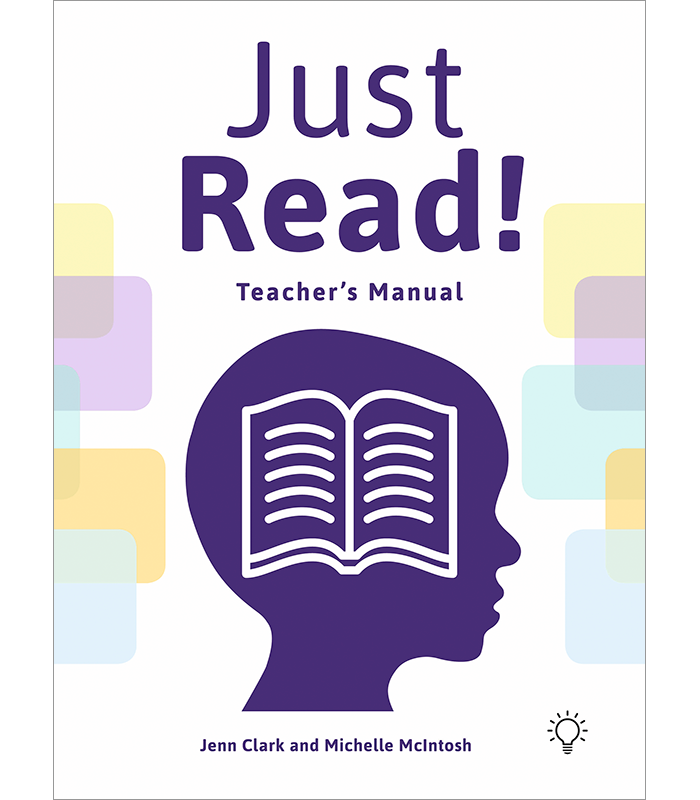
Just Read Teacher's Manual

Just Read! Teachers Manual is a reading education system that supports and teaches students wherever they are in their reading journey. It offers fluency practice from letter recognition and phonological awareness all the way to reading comprehension, allowing educators to briefly assess a student and begin work exactly where they are.

Based on a Multi-sensory Structured Language Education (MSLE) approach to literacy acquisition, the system provides structured and sequential instruction in reading, and each aspect is based on current research and practice. After introductory material and a screening assessment tool, the Teacher’s Manual is in three parts. ‘Decoding Plus!’ contains a range of drills and passages at five levels so teaching can be tailored to students, while ‘Fluency Plus!’ and ‘Comprehension Plus!’ each offer fifteen stories designed to build concepts and skills in a cumulative way. The accompanying Student Workbook contains parent-friendly blank versions of the exercises for a student to complete.

The additional Student Workbook is available here.

Good Care Leadership

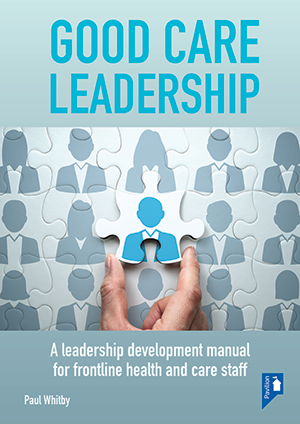
Cover of the book - Good Care Leadership

Good Care Leadership is CPD accredited and the exercises are designed to increase self-confidence and promote the articulation of caring values, enhance the appropriate use of authority, and increase the individual’s ability to motivate others. The simplicity and effectiveness of the approach comes from careful analysis of poor care and ways to prevent it happening, and a distillation of the theories of good care leadership, based on psychology, psychotherapy and nursing studies. This resource can be used for group training or for individual leadership development.

Most leadership training approaches stress having good clinical skills but pay little heed to how best to increase the positive influence that individual frontline staff can have on their work environment. This essential training and development manual addresses that need through a simple but powerful framework for becoming better leaders for their teams. This essential training manual provides an effective framework to develop frontline health and social care staff as leaders for their teams, by increasing the nurse or carer’s positive influence on their working environment, raising morale and confidence in improving the quality of care.

Frontline leadership is vital to improve morale and the quality of care at a time when chronic and persistent poor care, neglect and abuse continue within inpatient and residential health and social care settings.

Therapeutic Parenting with PACE

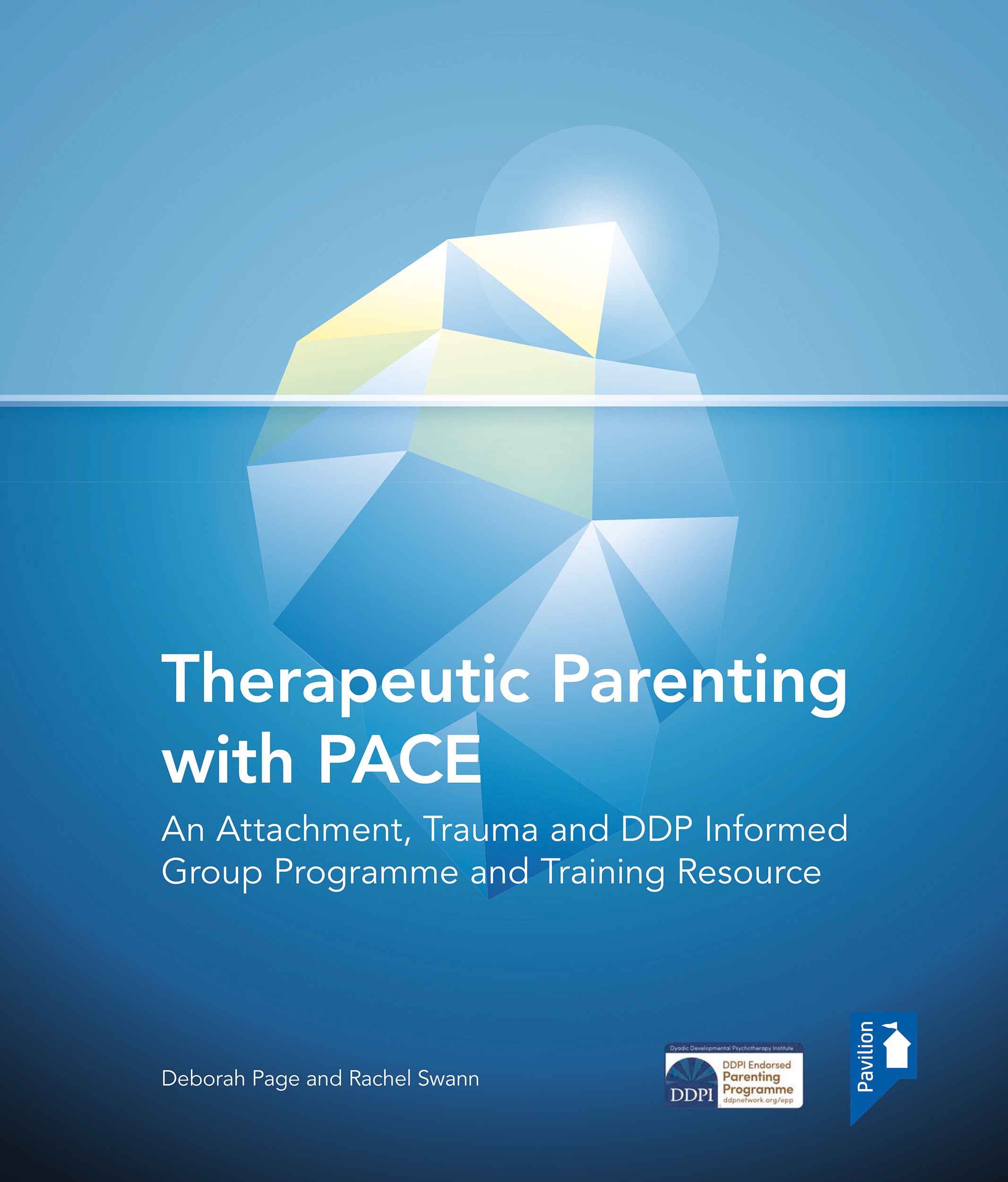
Cover of the training resource - Therapeutic Parenting with PACE

Discover the power of Therapeutic Parenting with PACE. Learn how to support children with trauma through playfulness, acceptance, curiosity, and empathy.

This comprehensive training resource is based on materials developed for a group course that has been run over the past ten years with adopters, foster carers and residential workers in Sussex.

The resource is designed for training and supporting those who work with and care for young people who have experienced abuse and neglect.

The training gives an overview of the core concepts of developmental trauma, the provision of trauma-informed therapeutic care, and self-care for carers.

The underpinning model is Dyadic Developmental Practice (DDP), an approach which allows carers to get beneath the defences and blocked trust of children in their care. The course supports carers’ capacity to provide therapeutic care through developing their understanding of the needs of the children they care for and supporting carers in the development of  an attitude of PACE-Playfulness, Acceptance, Curiosity and Empathy-the core ingredients of the therapeutic approach.

Mental Health and Well-being in Primary Education

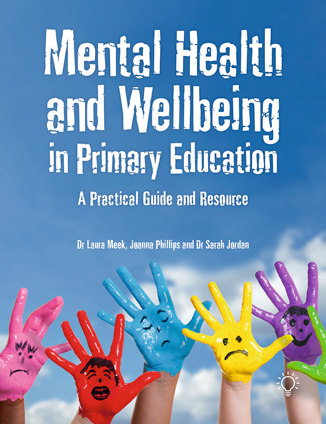
Cover image for the book - Mental Health and Well-being in Primary Education

Support children’s Mental Health and Wellbeing in Primary Education with actionable lesson plans, recognition tips, and collaborative strategies for educators. Putting all the information you need at your fingertips – with detailed guidance on creating a culture of wellbeing, overviews of key educational challenges and transitions, and early warning signs to look out for. The authors also explore how a range of common mental health difficulties that can affect learning (including anxiety, low mood, attachment difficulties, eating disorders and ADHD) are typically identified, diagnosed and managed.

Supported by a wealth of ready-made lesson plans, frames and templates, Mental Health and Wellbeing in Primary Education offers a practical, up-to-date look at how teachers and other education professionals can monitor, encourage and teach mental wellbeing among primary age children.

Written by a child and adolescent psychiatrist, a clinical psychologist and a teacher with a special interest in mental health and emotional wellbeing, this book emphasises the need for effective and innovative communication and collaboration across the health and education sectors, for the benefit of all children. Wherever you or the children you support are on their wellbeing journey, this book can help.

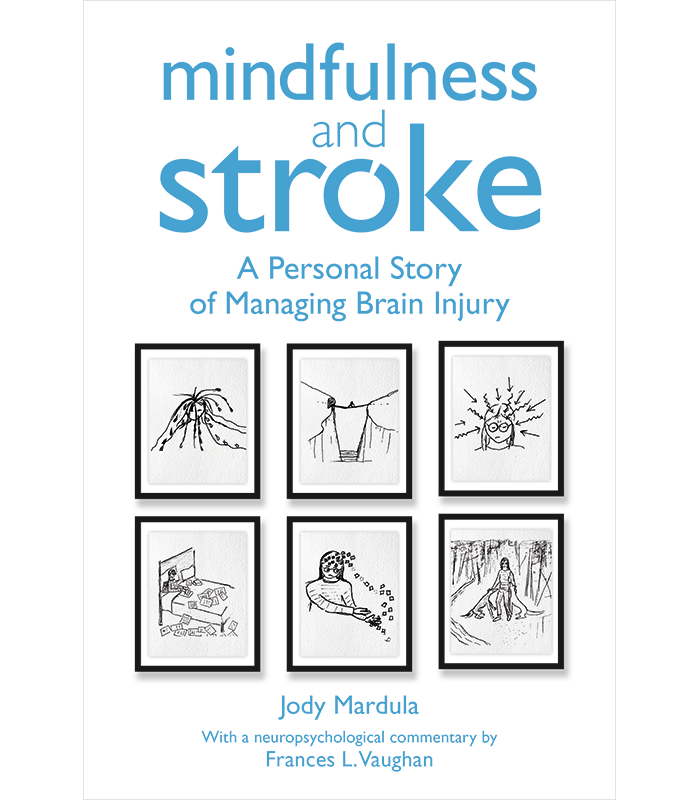
Mindfulness and Stroke

Cover of the book - Mindfulness and Stroke

In Mindfulness and Stroke, she charts her journey from the day of her first stroke, and explains how she adapted short, easy-to-learn mindfulness practices in order to support herself, manage the impact of her injury and make sense of her situation. Jody’s text is enhanced by clinical neuropsychologist Frances Vaughan, whose ‘Neuro Notes’ provide information and advice about coping with the events described in each section of Jody’s writing.

Frances also contributes Section Two of the book – ten chapters explaining some of Jody’s experiences, and looking more broadly at brain injury and its impact on areas of life such as attention, memory, self-awareness and identity. Every two seconds, someone has a stroke – and the majority survive to live with the consequences. Mixing personal autobiography with neuroscience, Mindfulness and Stroke shares simple mindfulness techniques.

The core of this book was created by Jody Mardula over several years following a life-threatening stroke – a fairly unusual type of stroke known as a subarachnoid haemorrhage. At the time, Jody was Director of a world-renowned mindfulness centre at Bangor University. The stroke – along with a second 11 months later and a subsequent diagnosis of vascular dementia – affected Jody both psychologically and physically.