Sometimes being a parent seems like one long to-do list: taking the children to and from school and clubs, arranging babysitters, feeding them and putting them to bed. Parents can feel trapped in a straitjacket of tasks, all of which prevent them from spending quality time with their children. Susan Bögels has developed and delivered training on this subject for over twenty years. Now, for the first time, she shares her expertise, along with her experiences as a mother and child, with a general audience. In a series of accessible chapters, she shows how we can find a balance between “doing” and “being” modes when interacting with our children. She also explains how to deal with stress, conflict and guilt, and how to cultivate conscious, unbiased attention in a simple way. Together, the chapters form an 11-week course in mindful parenting, supported by simple exercises and guided audio meditations.
Mindful Parenting is an inspirational guide for busy parents who want to better understand the automatic ways in which they can react to stressful situations, balance the ‘doing’ and ‘being’ modes in their everyday lives, and move from instinctive to more mindfulresponses.
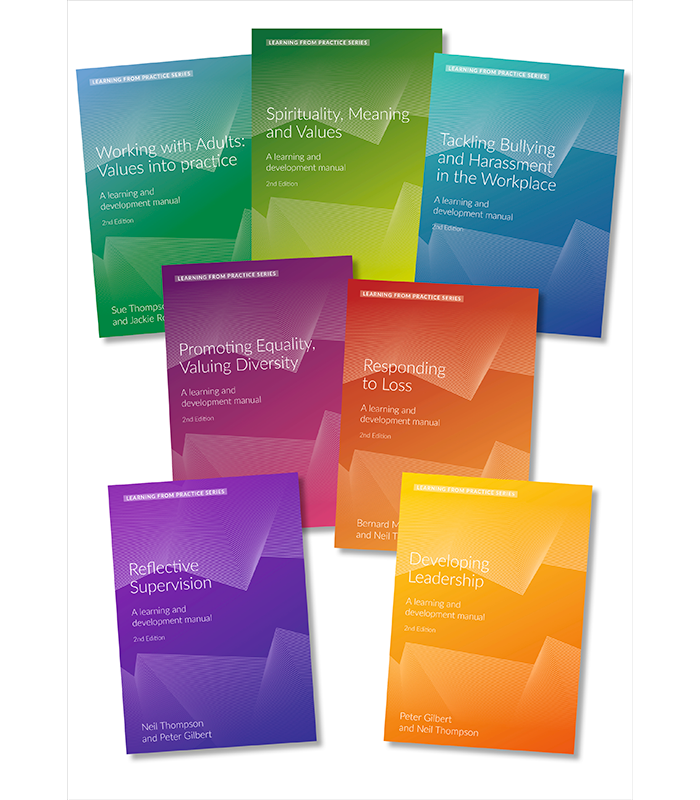
Take your learning forward with the complete Learning from Practice bundle series of 7 manuals, for the price of 5. This 7 book bundle is packed full with new tips, insights and information for trainers, tutors and others involved in promoting learning.
Fire and Rescue Incident Command provides a comprehensive guide to incident ground operations, from small house fires and road traffic accidents, to widespread wildfires, high-rise operations and major transport disasters. It explores the tactics and strategies available at an incident, the roles and responsibilities of the Incident Command and those under his/her command, the legal framework within which fire ground activities must operate, good communications practice and protocols, and of course the tactics needed to ensure the safety of the public, property and the firefighters on the front line.
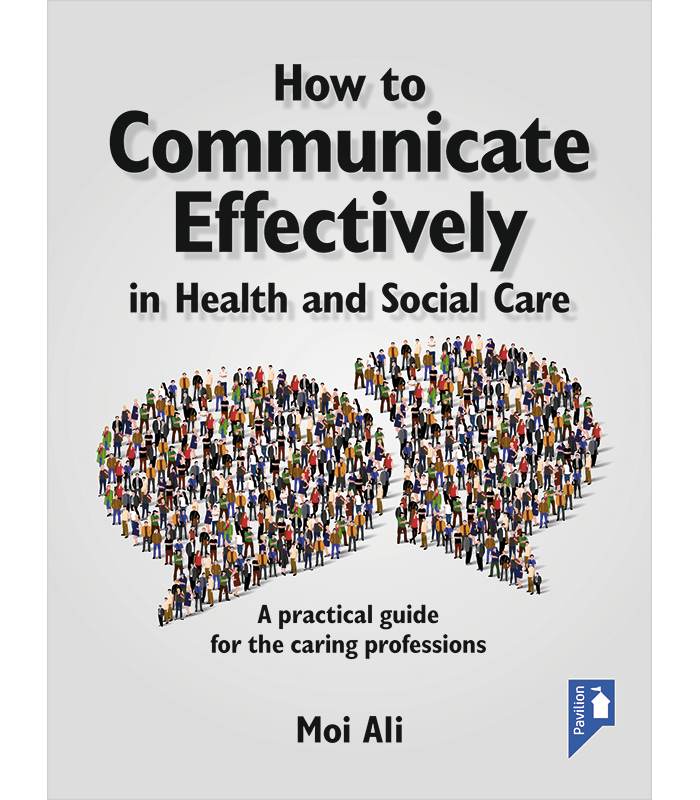
How to Communicate Effectively in Health and Social Care
There was once a time when having adequate technical skills and competencies, and the appropriate clinical management plan, was sufficient to be considered an effective member of the healthcare team. Today, effective communication is regarded as an essential skill for any healthcare or social care professional. The various healthcare professionals’ codes of practice all demand good communication as a basic requirement, and yet despite more than three decades’ mainstream acceptance of the positive impact of good communication, and widespread understanding of the consequences of poor communication, first-class communication is not always evident on hospital wards, in doctors’ and dentists’ surgeries, in ambulances and at clinics.
This practical handbook aims to address this problem for anyone working in health and social care, from students undergoing professional education or on practice placements to recently qualified doctors, nurses, midwives and paramedics.
Senior members of healthcare teams whose formal training may not have covered communications will find it helpful, as will many other staff, including non-regulated health and social care workers such as healthcare assistants, who have received limited formal training in communications.
‘At The Patients Association, via our national helpline, we hear every day from patients who tell us of both good and bad experiences they have had interacting with health care practitioners. I would always strongly recommend that any health and social care practitioner take time out of their busy schedule to pause and appraise their own work in order to grow and develop. What this book offers is the mirror to reflect, and the tools to guide this process in an easy and to-the-point manner.’
(Katherine Murphy, CEO, The Patients Association)
[ How to Communicate Effectively in Health and Social Care ]…’Provides an essential, necessary and timely addition to the literature on communication for all healthcare professionals. Not only is it grounded in evidence, it has a unique balance of practical advice and skills that are an essential component of all those engaged in the delivery of health and social care. In my view this book will provide something for both undergraduate healthcare students and qualified practitioners alike – an essential read.’
(Professor Brian J. Webster Henderson, Professor of Nursing/University Dean of Learning & Teaching, Vice Chair Council of Deans of Health UK, Convenor Council of Deans of Health Scotland)
‘Having worked in dental clinical academia and provided oral healthcare services over many years, I would recommend this very useful handbook to dental clinicians, dentists and dental care professionals, and to their support staff – and to anyone working in other branches of healthcare and even social care. I would also highly recommend it for use across the breadth of undergraduate and postgraduate education and training.’
(Professor J G Cowpe, Emeritus Professor, Cardiff University, Consultant Oral Surgeon)
Innovation and Change in Non-Profit Organisations explores how smaller charity organisations and community groups are developing exciting new projects around the world, and how non-profit SMEs can learn from them in order to survive and thrive in a demanding, rapidly-changing world.
The global non-profit sector is vast, with over 1.5 million registered organisations in the US alone. In the UK, the charity sector rivals the motor industry in scale. However, organisations in the social sector – and smaller community groups in particular – face a number of challenges. While technology and social media have enabled previously unimagined levels of communication, rising inequality and funding cuts have made operations much harder to sustain. Against this complex and shifting landscape, Innovation and Change in Non-Profit Organisations brings together a group of highly regarded specialists to stimulate new ideas for innovation, community action and social enterprise. Together, these contributors reflect on their achievements, challenge conventional wisdom, explore best practice, and offer inspirational advice for learning and deploying new skills across a wide range of fields and contexts.
Even though austerity has hit the non-profit sector hard, the case studies in the book show the great value of non-profit services. Charles Fraser, who was CEO of St Mungos for twenty years, describes the difficulties St Mungos faced, how it developed comprehensive services for an unpopular group of clients and the team work approach underpinning this. Community Catalysts supports local self-help groups to bring communities together and take positive actions in very cost effective ways, as outlined by their CEO, Sian Lockwood. The campaigner Patrick Vernon writes about the Windrush campaign, the support from newspapers such as the Guardian and the great success achieved in combating the “hostile environment” imposed at all levels by the Government, while Clore Social Leadership’s CEO Shaks Ghosh describes how they train and support non-profit managers in an increasingly demanding operational milieu.
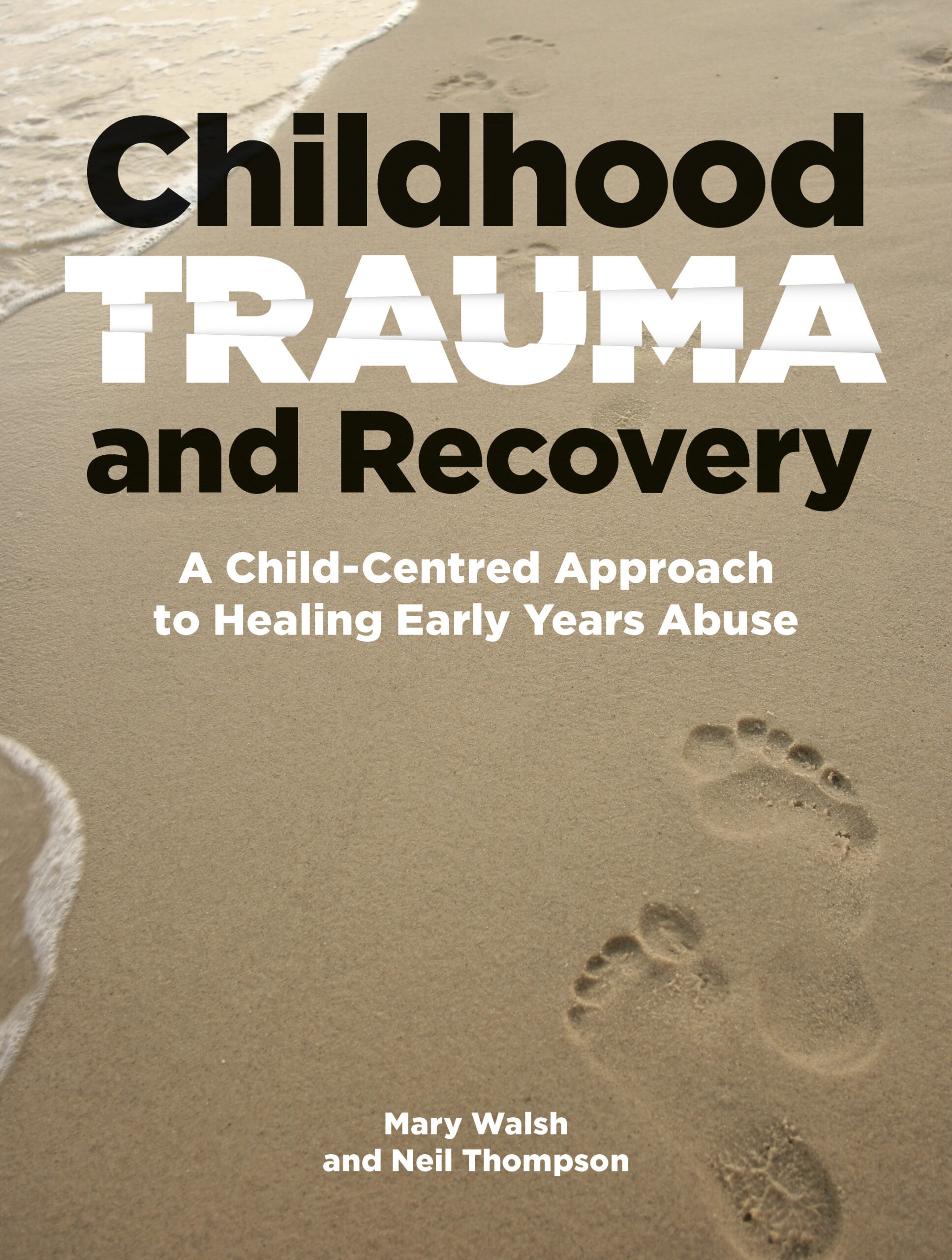
Childhood Trauma and Recovery presents best practice in helping children affected by early life sexual abuse to recover and lead healthy lives. At its heart is the SACCS approach, pioneered by Mary Walsh, which was developed to provide such children with specialist care and treatment. By creating recovery teams that cross over traditional boundaries to put the child at the centre of all activity, the approach enables young people to replace unhealthy ways of thinking with stronger, more appropriate cause-effect mechanisms.
Drawing on decades of experience with thousands of young people, the authors challenge the view that simply placing traumatised young people in safe, loving environments will be sufficient for them to recover. They expose the challenges of caring for children who may be highly sexualised by abuse then show how, by ensuring that these children feel safe and trusted and learning to communicate with them effectively, practitioners can begin a process of actively helping them to heal.
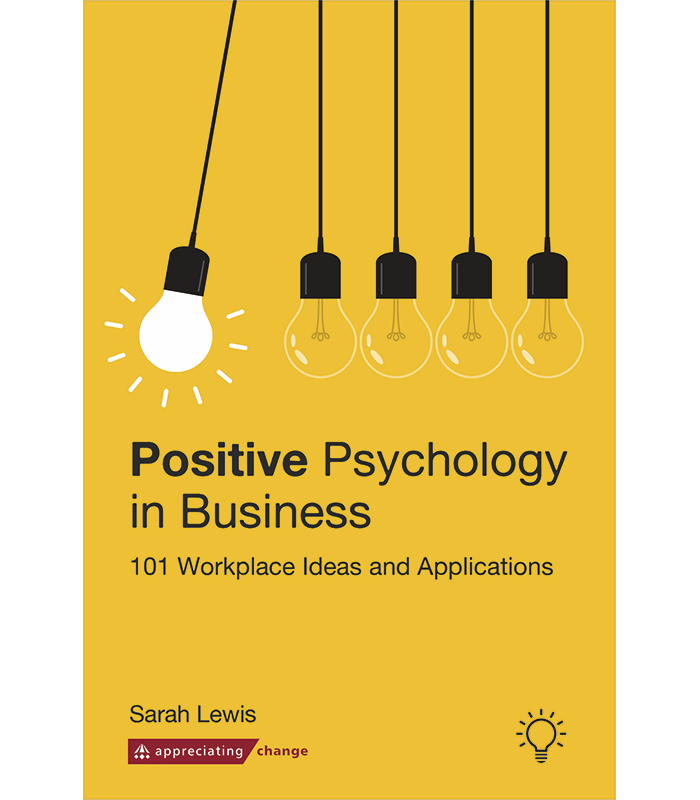
An organisation’s health is directly determined by the well-being of those within it. Firmly grounded in psychology and management research, Positive Psychology in Business shows how to play to strengths, lead with compassion and put people first.
This accessible book draws together key ideas and techniques for applying concepts drawn from positive psychology and strengths-based management in workplace settings. It illuminates the application of various positive psychology approaches in a wide range of different workplace settings and cultures, so most readers will find examples that resonate with their own workplace and its challenges. In a series of concise articles, originally written for her Appreciating Change website, Sarah Lewis shows how any leader, manager, organisation or employee can learn from positive and appreciative concepts like playing to strengths, creating a feel-good workplace, building social capital, encouraging positive deviation, leading authentically, creating conditions for change, having courageous conversations and building happy teams.
A unique collection of short, practical, to-the-point articles on the application of positive psychology concepts and principles to business and the workplace
Shows how individual, team and organisational effectiveness can be enhanced by recognising the value of social capital and promoting the well-being of staff
Links positive psychology with strengths-based management and appreciative inquiry, and with dialogue-based tools for organisational leadership and change
Topics covered include strengths-based development, creating a positive culture, leadership gratitude, appreciative listening, creating hope, resilience, and flow
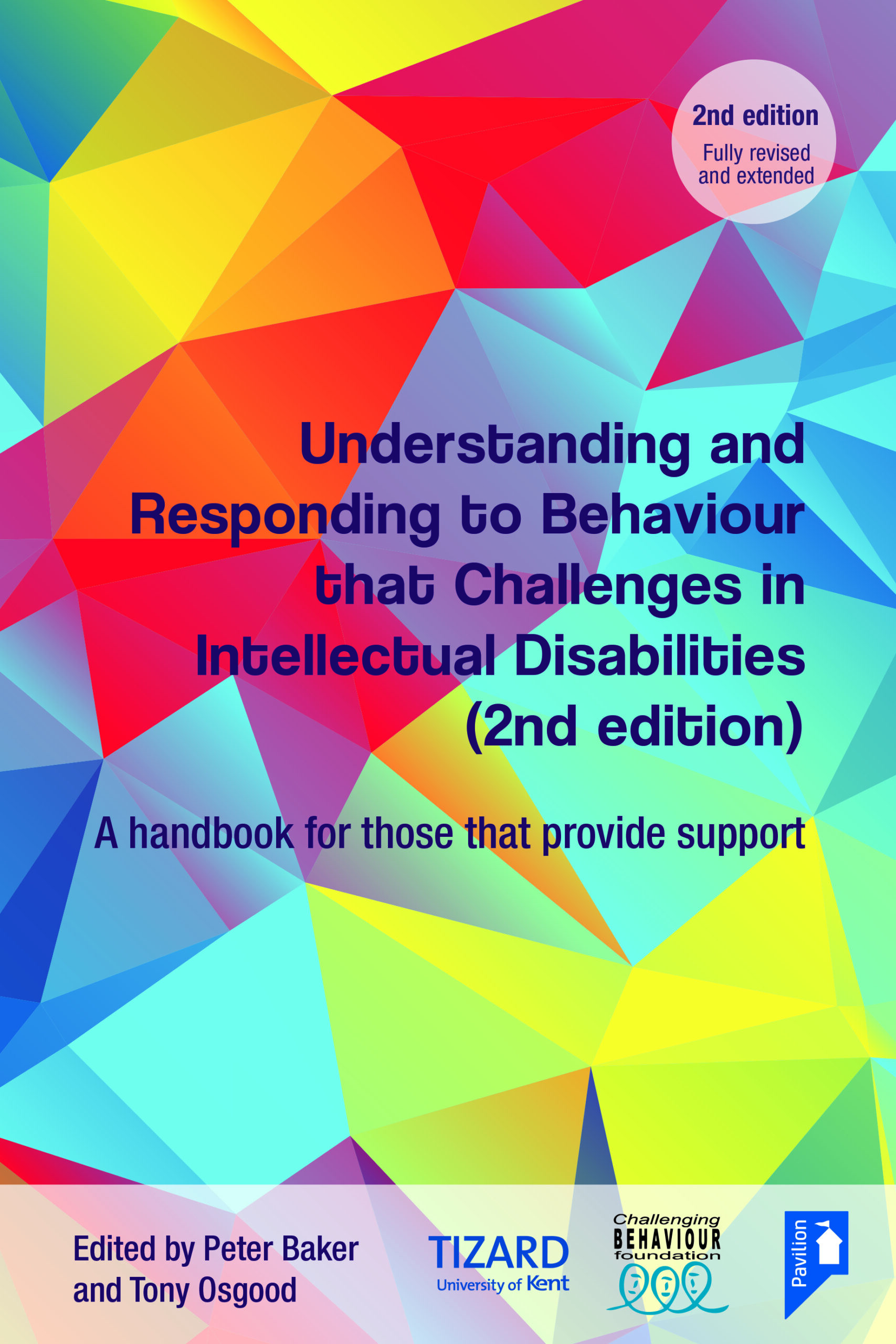
Children and adults with intellectual or developmental disabilities (IDD) and/or autism who display behaviour that challenges, are particularly vulnerable to being misunderstood and inappropriately supported, despite policy and best practice guidance. Children and adults whose behaviour challenges are also vulnerable to having fewer opportunities to engage in society, having their quality of life reduced, experiencing abusive or coercive practice, and being placed in schools or services many miles from home.
Many families of children whose behaviour challenges often remain likewise unheard and isolated. The intention is that upon reading the book family members and support staff will better understand behaviours and help to improve the quality of the lives of people with intellectual disabilities.
The book is split into four sections, each representing a crucial step in understanding behaviour that challenges.
Part 1 – presents fundamental approaches to thinking about and responding to behaviour that challenges.
Part 2 – is all about trying to understand the messages underpinning the behaviour.
Part 3 – is about putting into action the knowledge gained through exploring and assessment.
Part 4 – is reflective in nature and considers the real experiences arising from supporting people whose behaviour challenges and the implications.
The new edition is a complete revision and updating of content, aiming to address key knowledge requirements and concerns of people working in the field, with opportunities for reflection and professional development. The content is illustrated by case studies to help the reader explore how to best to address issues in practice.
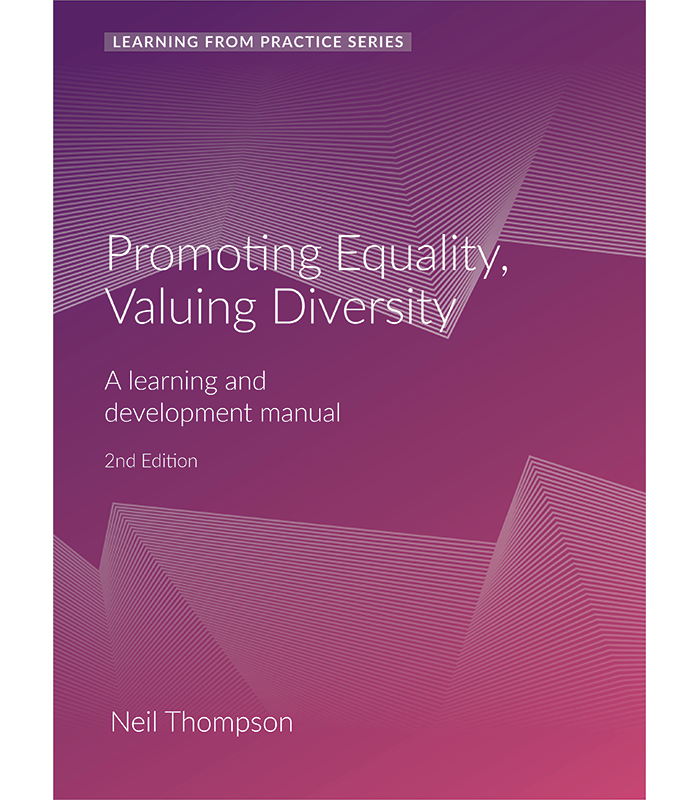
The challenge of developing forms of practice that are effective in tackling discrimination and oppression remains a major one. In Promoting Equality, Valuing Diversity, internationally renowned author Dr Neil Thompson explores a wide range of issues relating to equality and diversity. Topics include the case for equality and diversity, understanding and challenging discrimination in relation to age, race and ethnicity, gender, sexual orientation, disability and religion.
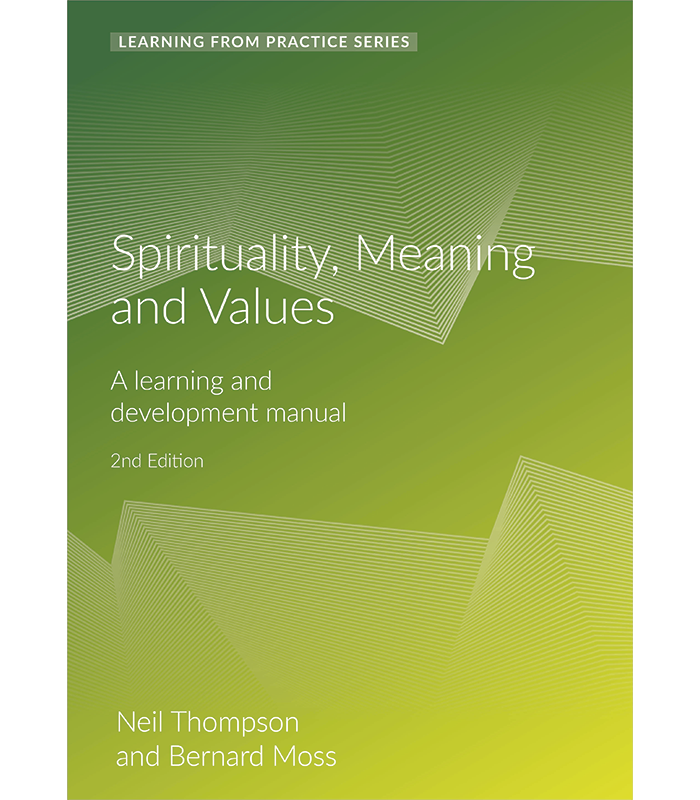
There is much talk these days about empowerment, but generally very little by way of practical guidance as to how to put the ideas into practice. By focusing on the key roles of spirituality, meaning and values in practice, this manual offers training resources to help participants make empowerment a reality. Topics include the importance of values, the power of language, finding meaning in life and work, understanding the place of religion and spirituality.
Free UK Postage on all orders over £20 in UK - sign up to our newsletter for 10% off your first order. Dismiss
We use cookies on our website. One group is essential for our business and another provides third party services. Click OK to accept all cookies, Opt-out to refuse services cookies, or visit our Cookie Policy.