Bullying and harassment in the workplace continues to be major problem. This manual provides the basis for the training of staff & managers to recognise, respond to and prevent bullying and harassment. Topics include understanding bullying and harassment, the law, resisting the bully, positive leadership, sexual, racial and other forms of harassment, dangerous organisations, policy and practice, taking staff care seriously.
Responding to loss can often present major difficulties, not only for the people directly affected, but also for care professionals across wide spectrum of settings. Despite the significance of these issues, the subject matter is often neglected. This manual helps to put that right by offering trainers and tutors a basis of understanding loss and the dual process model of grief and how best to respond. Topics include the dual process model, the idea of stages, tasks of grief, the role of culture, ritual, religion and spirituality, loss and the workplace, difficult and complicated grieving and finding new meanings.
The supervision of staff is an essential part of effective people management. The quality of supervision can be the difference between acceptable and unacceptable practice at one level and between good and excellent practice at another. Reflective Supervision offers an excellent grounding in the understanding and practice of reflective supervision.
Topics include setting the context, promoting anti-discriminatory practice, preparing for supervision, making supervision work, developing reflective practice, recording, giving feedback, providing support, managing poor performance, mediating and trouble shooting.
Leadership has been a hot topic for some time now, but unfortunately it is subject to a number of common misunderstandings and oversimplifications. In Developing Leadership, the authors enable you to benefit from their experience and expertise in clearing away the misunderstandings and helping participants to get to grips with what leadership is really all about. Topics include understanding leadership, styles of leadership, personal and professional values, creating an effective culture, self-awareness, motivation and obstacles to leadership.
The quality of leadership is often the key difference between organisational success and failure and between an organisation being a positive, energising place to work and a negative, stressful environment. Written by two people with a great deal of experience of both serving as leaders and offering training on the subject, this resource has a great deal to offer individuals and organisations committed to developing genuine leadership as a foundation for establishing and maintaining effective and humane workplaces.
Developing this training manual enabled Peter Gilbert to bring together a number of themes around leadership which he had been interested in and engaged with over a number of years – in particular, a holistic approach to leadership.
The importance of child-centred practice as a key part of the value base of working with children and young people is well established. But what about working with adults? How do values make a positive difference? By providing a sound base of understanding and best practice, the authors give trainers and tutors an excellent tool for promoting learning in this area.
Topics include promoting dignity – what it means in practice, working in partnerships with service users and carers, legal and moral issues, listening skills, rights and risks, assessment and partnership, continuing professional development and staff care, discrimination and oppression, language sensitivity and workplace culture.
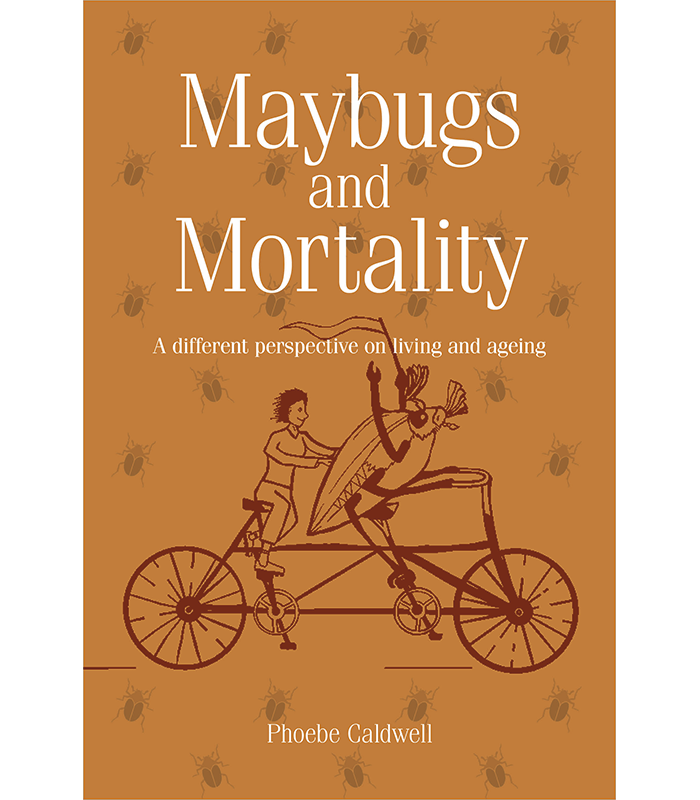
Maybugs and Mortality speculates in a wholly different way on what it means to be alive. It is about an accidental encounter between the author and ‘Maybugs’, a maybug (cockchafer) on its last legs, that led to a light-hearted and partly autobiographical exploration of the latter half of their respective life cycles. Phoebe Caldwell, pioneer of responsive communication with autistic people, has spent a lifetime understanding and responding to barriers and challenges in communication between individuals, enabling autistic children and adults to engage with a world that is sensorily confusing.
In this fascinating and diverse book, she draws on her work, personal experience and scientific advances in psychology and neurobiology to consider key aspects of the shared life-cycles and mortality of maybug and human. From this unique perspective, she examines themes such as consciousness, self-awareness and the need to reach out beyond ourselves in order to find confirmation and understanding. A fascinating and informative read of interest to anyone interested in human behaviour, psychology and autism.
‘While I do not think I actually like insects, Maybugs came with a wealth of stories – if the flight path is erratic, the destination is fascinating. I have learned respect and at times, felt an odd affection for my fellow traveller.’ (Phoebe Caldwell – Maybugs and Mortality)
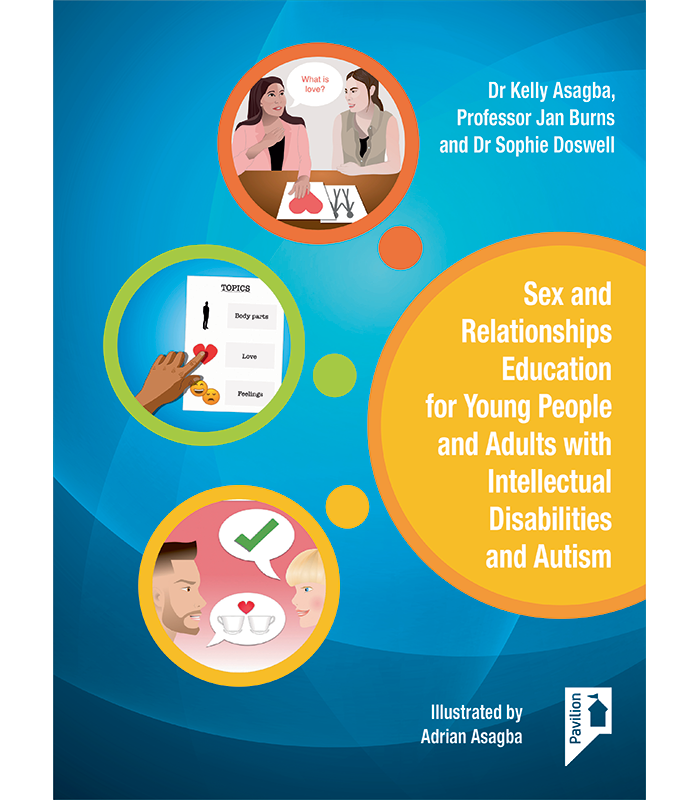
Sex and Relationships Education for Young People and Adults with Intellectual Disabilities and Autism provides practical guidance for professionals working with, and parents or carers of, people with co-occurring autism and intellectual disabilities, on how to deliver and adapt sex and relationships education. People with autism have specific characteristics which can make interpersonal relationships challenging. When this is combined with intellectual disabilities it can make responding to these challenges even more difficult. While positive experiences can enhance quality of life considerably, negative experiences can be life damaging.
The publication provides the resources and guidance needed to provide education tailored to support young people and adults to manage intimate relationships, acknowledging not only the characteristics of both conditions, but also how they interact. Based on the authors’ research study drawing on the extensive experience of practitioners working in this area, as well as the authors’ own clinical and educational expertise, it aims to provide professionals, carers and parents with the knowledge and skills to best prepare for and meet the unique educational needs of this population. Needs might include difficulties with learning, social communication, sensory sensitivities, interpreting subtleties in body language and social cues, and understanding the complex social rules involved in different relationships.
The contents address the adaptations of formal interventions and informal education and discussions about sex and relationships, supplemented by case studies, session plans, online illustrated worksheets and resource lists.
People with an intellectual disability (learning disability) are more likely to experience mental health difficulties than the wider population, for a wide variety of reasons. In addition, noticing and diagnosing a mental illness may be complex, and getting the right kind of help and support challenging. This accessible training resource and accompanying guide has been developed to provide thorough introductory training to a range of care and support staff who work with adults with intellectual disabilities. The aim of the resource is to provide learners with an understanding of the mental health needs of this population and to promote mental health and wellbeing. The flexible training has been developed in conjunction with three leading centres of expertise in clinical practice and teaching on this topic: The Estia Centre, London South Bank University and Oxleas NHS Foundation Trust. It is based on training practice and evaluation of courses run by the Estia Centre with a wide variety of staff and is informed by the experiences of people with intellectual disabilities and mental health needs themselves, making it the only teaching resource of its kind.
These engaging training materials will also be of value to clinicians and support professionals relatively new to either mental health or intellectual disability, as well as students undertaking relevant courses. The training includes a full PowerPoint presentation and a separate guide Introduction to Mental Health and Mental Well-being for Staff Supporting Adults with Intellectual Disabilities: A guide for professionals, support staff and families in both hard copy and digital format. In addition, video clips of the insights of people with intellectual disabilities who have experienced mental health issues give voice to the experiences and insights of people directly affected by the issues discussed.
* THE GUIDE IS INCLUDED WHEN PURCHASING THE TRAINING PACK *
Mental Health Needs of Children and Young People with Intellectual Disabilities (2nd edition) focuses on the care and support of those with moderate and severe learning disabilities (intellectual disabilities). In addition to bringing the content fully up to date, the editors, both longstanding experts in this field, have commissioned the most experienced contributors to address new topics such as gender issues and mental health in education. The importance of developing evidence-based practice is a key theme of the book, acknowledging its key role in helping professionals and practitioners to be able to provide high-quality personalised care for children and young people with intellectual disabilities who have mental health needs.
This handbook provides health and social care professionals with a sound knowledge base for shaping and enhancing their practice, along with the skills and confidence to improve the outcomes for these young people. Each chapter includes short case illustrations, examples of good practice, reflections on current practice, key learning points, references and key websites for further exploration.
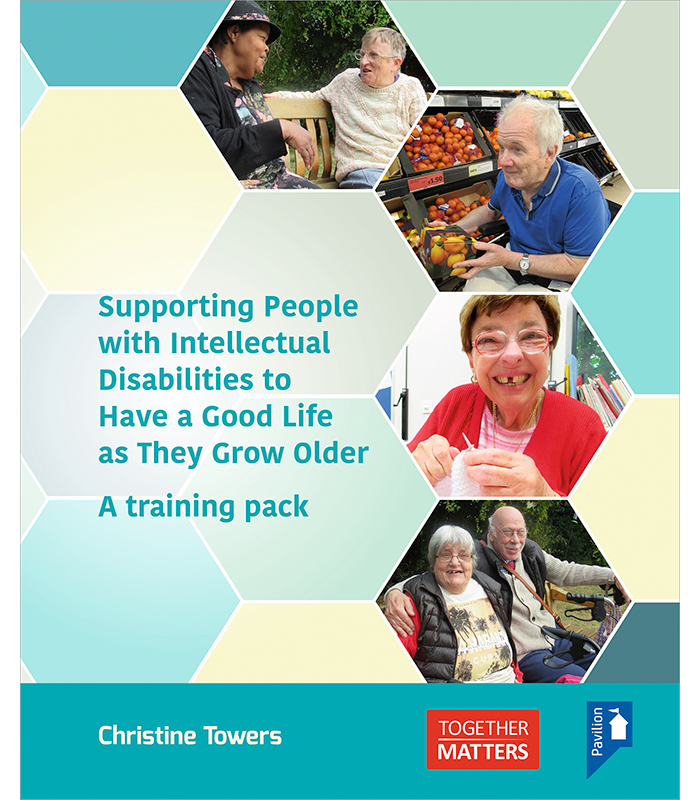
Growing older is a process with numerous gradual or sudden changes over time. For staff supporting people with intellectual disabilities, it may be difficult to recognise these changes or know how best to meet their changing needs. People with intellectual disabilities often age biologically at a younger chronological age than the general population, and many will have very different life experiences of getting older, for example having missed out on work, having a family and developing long-term relationships. These factors can adversely affect self-esteem as well as sources of financial and social support to fall back on as they grow older.
These new resources address a significant gap in the knowledge and practice of supporting people with learning disabilities as they grow older. Both aim to help staff and others to improve their understanding of how growing older may affect individuals, and ways of providing good support to people with learning disabilities so that they can:
age well through staying healthy, keeping friendships and connections and adapting their lifestyle as necessary;
cope with challenges and difficulties they may face, particularly as they become frailer and lose some independence.
Through knowledge content, exercises, key learning points and video clips of older people with learning disabilities talking about their experiences of growing older, the materials will help support staff to explore how planning for and providing good support can make a positive difference to individuals’ lives in the key areas of:
Emotional well-being
Health
Being active and involved
Home life
Dying well
Throughout the learning process, the themes of person-centred planning, good communication, and building confidence and encouraging independence are central to the development of good support.
The training pack provides the resources needed to deliver training on growing older and comes with guidance on running each session, together with online exercise sheets and handouts, presentation slides, video clips and other resources. The self-study guide (also included in the training pack) can be purchased separately and contains a self-study route with access to the video clips online.
We use cookies on our website. One group is essential for our business and another provides third party services. Click OK to accept all cookies, Opt-out to refuse services cookies, or visit our Cookie Policy.