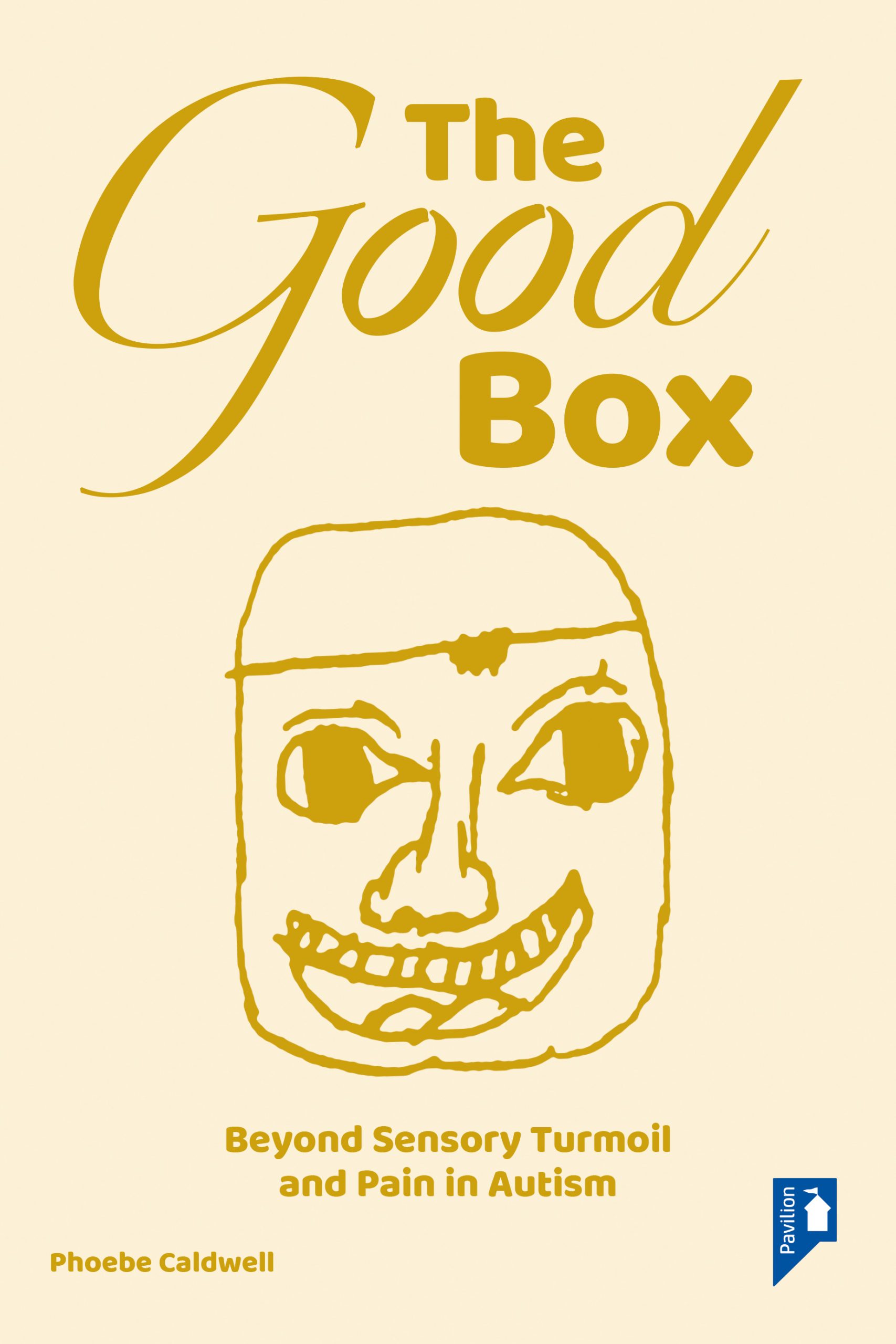
The Good Box brings ideas from The Anger Box and Hall of Mirrors, Shards of Clarity, another best-seller of Phoebe’s with a decade of her updated autism research. As Phoebe’s new book title suggests, it reflects the move from distress in autism to more positive and inclusive insights and acceptance of autism.
This book provides new insights into autism from expert, Phoebe Caldwell, who has been a leader in this area for fifty years. The Anger Box is one of Phoebe Caldwell’s best-selling books which moved attention away from the symptoms of autism towards understanding and alleviating sensory overload experiences for autistic people.
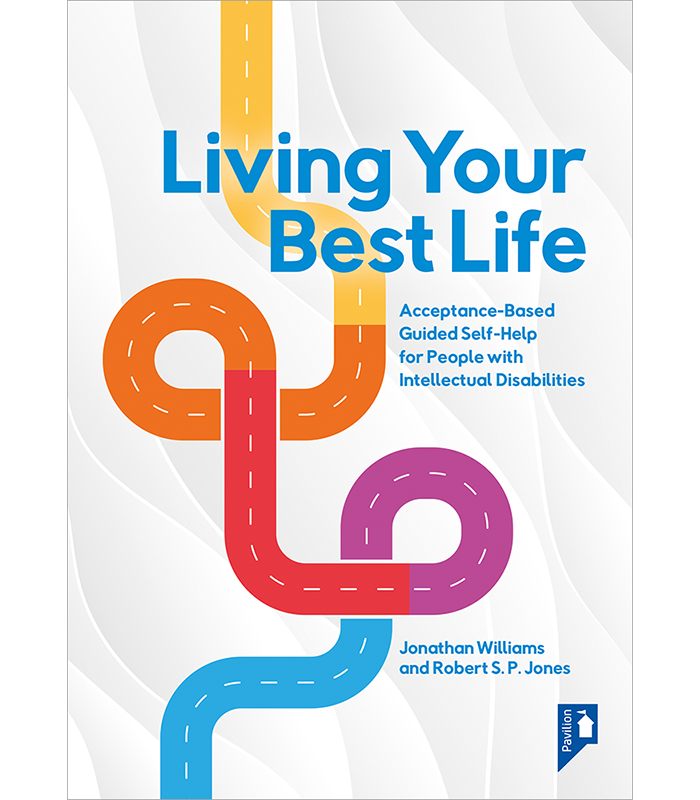
Living Your Best Life provides guided self-help materials for a person with intellectual disabilities to work through alongside a supporter such as a family member, paid carer, or mental health professional. The tools and guidance help the individual identify what is important to them and move towards a life where worries and doubts do not stop them doing activities they enjoy or trying new things.
Each chapter includes separate sections for supporters and for the person with intellectual disabilities (which can be read to them if necessary). The workbook also includes a wide range of exercises, graded by difficulty so this can be matched to an individual’s specific abilities and challenges.
The workbook is based on principles of Acceptance and Commitment Therapy (ACT)and includes advice around accepting and managing common psychological challenges such as anxiety, low mood, anger and grief.
The originator of ACT, Steven C Hayes has endorsedLiving Your Best Life. See Steve’s review on the reviews tab.
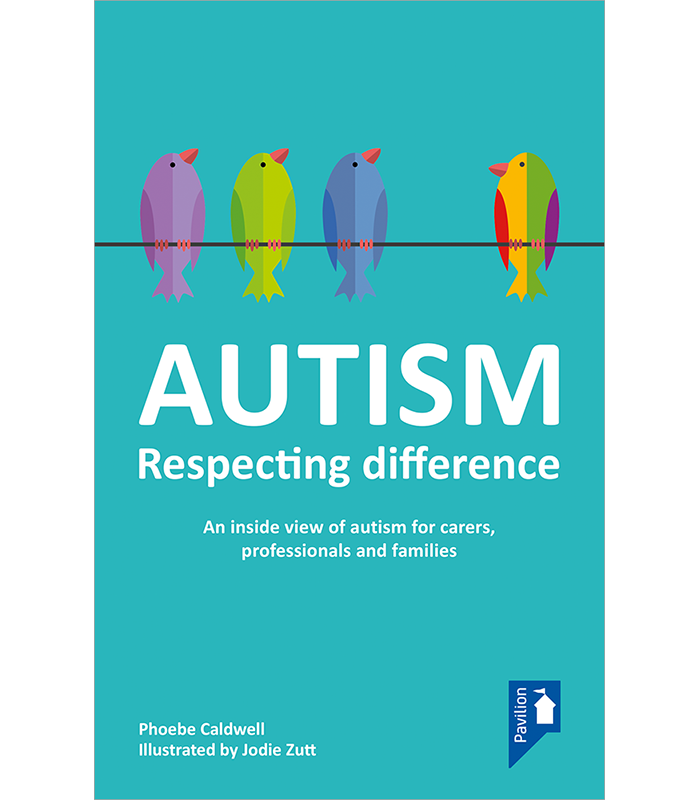
Autism: Respecting Difference provides a concise introduction to the sensory and emotional experiences of autism. It is for families, support staff and professionals to better understand and engage with autistic people to offer meaningful and effective support.
The handbook is aimed at helping people who are new to autism to understand how it might feel to be autistic. Autistic people experience the world around them differently to neurotypical people. Autistic people can be over- and under-sensitive to incoming signals which can overload the autistic brain, triggering anxiety and pain. This illustrated impactful book takes readers on a journey into the ‘brainworld of autism’.
The second part of the book explains how to use Responsive Communication and the autistic individual’s body language, to engage effectively and how to reduce sensory stimulants and overload.
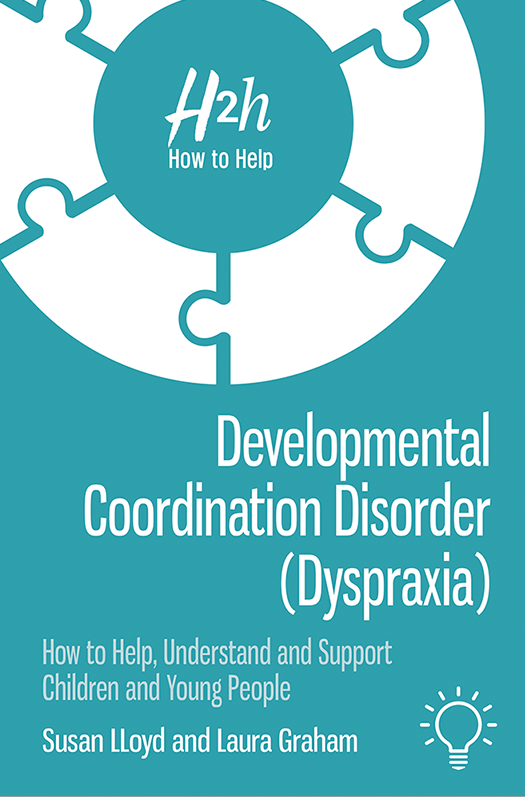
Developmental Coordination Disorder (Dyspraxia) offers a complete introduction to this complex and often misunderstood topic. DCD (historically sometimes called ‘dyspraxia’) is a frequently under-detected condition. It mainly affects physical coordination but also impacts on many other areas of life. It is often seen as an ‘enigma’ as there is little consensus regarding definitions and terminology. This book dispels myths about DCD.
It looks at the issues, challenges and experiences commonly faced by a young person with DCD – and how parents, carers, teachers and schools can help. The book is part of the How to Help series of books which explores issues commonly faced by children and young people at home and at school.
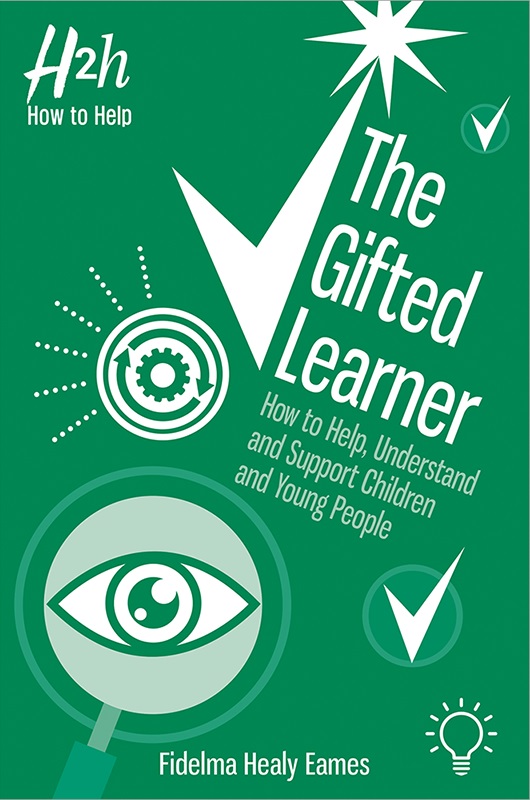
The Gifted Learner: How to Help, Understand and Support Children and Young People is a complete introduction into how to nurture high ability students. The book reveals how to unlock the potential of a gifted learner, so that their gift becomes a talent that is celebrated, enriching their life, and the lives of others.
Gifted children are often overlooked in education, as they are perceived to be high achieving. However, not all, have a consistent high ability, or achieve in all subjects. Some gifted learners can also have a learning difficulty and many are emotionally immature and need to be nurtured, holistically, at cognitive and emotional levels. This book shows how.
The book includes chapters on curiosity, creativity, boredom and perfectionism. There are nineteen case studies of individual learners, their parents and teachers, which provide real and authentic insights into recognising, understanding and supporting the Gifted Learner.
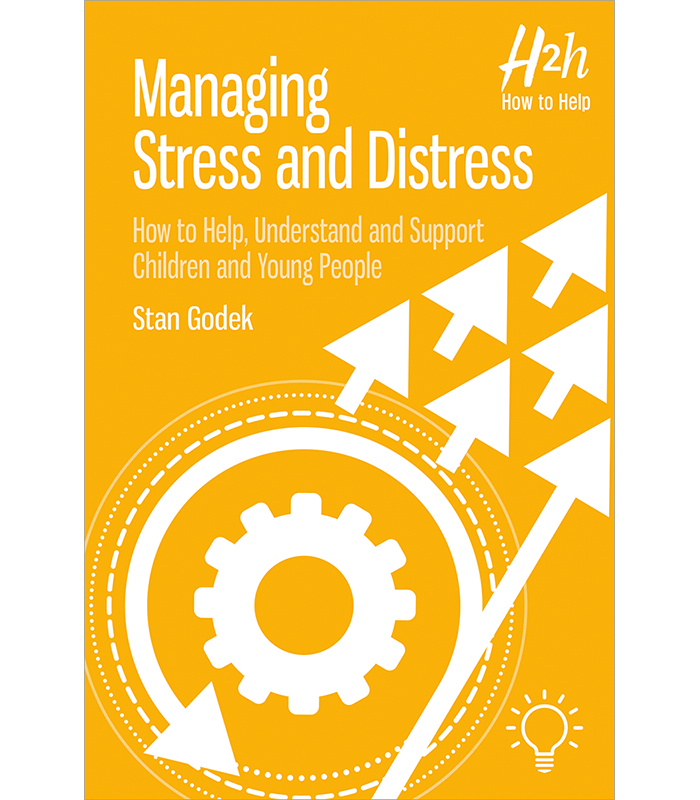
Managing Stress and Distress: How to Help, Understand and Support Children and Young People by Stan Godek is a thoughtfully written, evidence-based guide that helps caregivers, educators, and youth professionals make sense of why stress emerges in young people and how best to respond when it does. Instead of offering quick fixes or solutions, this book explores stress from the ground up: what it actually is, how it affects the developing brain and nervous system, and why certain behaviours that look defiant or disruptive are often rooted in unmet needs and unmet emotional regulation skills.
What sets this book apart is it’s trauma-informed perspective and real-world focus. It doesn’t just explain the science, it translates it into practical strategies you can use immediately. You’ll find clear guidance on everything from identifying early stress signals to responding effectively during moments of acute distress. From building ongoing resilience through mindfulness and breathing exercises to nurturing secure attachment and emotional regulation over time.
Managing Stress and Distress works as both a textbook and a hands-on toolkit. Each chapter is written with compassion and clarity, making complex psychological concepts accessible without oversimplification. This balance makes the book uniquely valuable for parents navigating daily challenges, teachers striving to create calmer classrooms, youth workers supporting emotional growth and anyone committed to helping young people thrive rather than just cope.
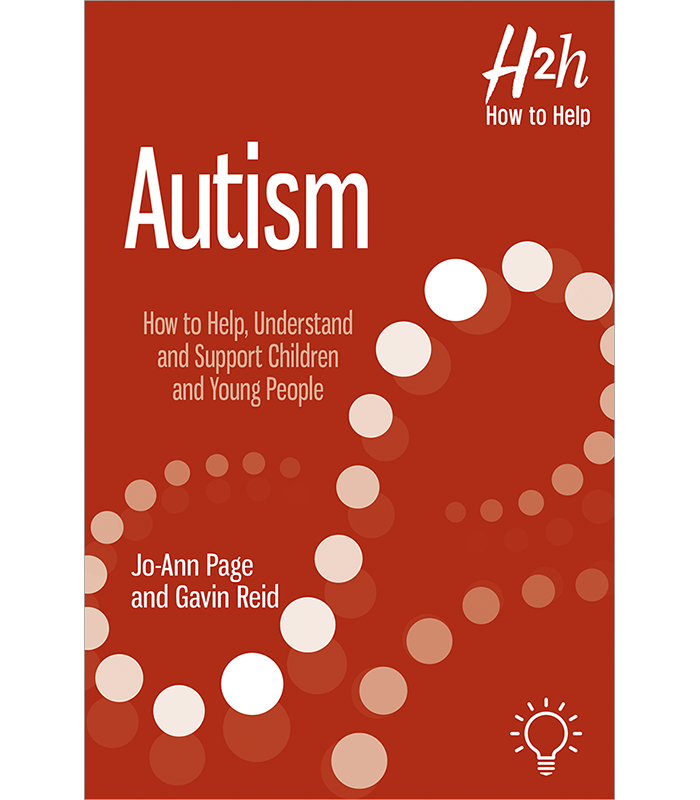
Autism: How to Help, Understand and Support Children and Young People aims to give an introduction to this complex and often confusing topic. A lack of clarity can arise for many reasons, including the broad spectrum of levels, characteristics and symptoms and that can be represented within an autism diagnosis, and the many competing interventions and treatments.
The book looks at different options available to parents, carers and teachers, and shows how they can collaborate to ensure that autistic young people live inclusive and fulfilled lives.
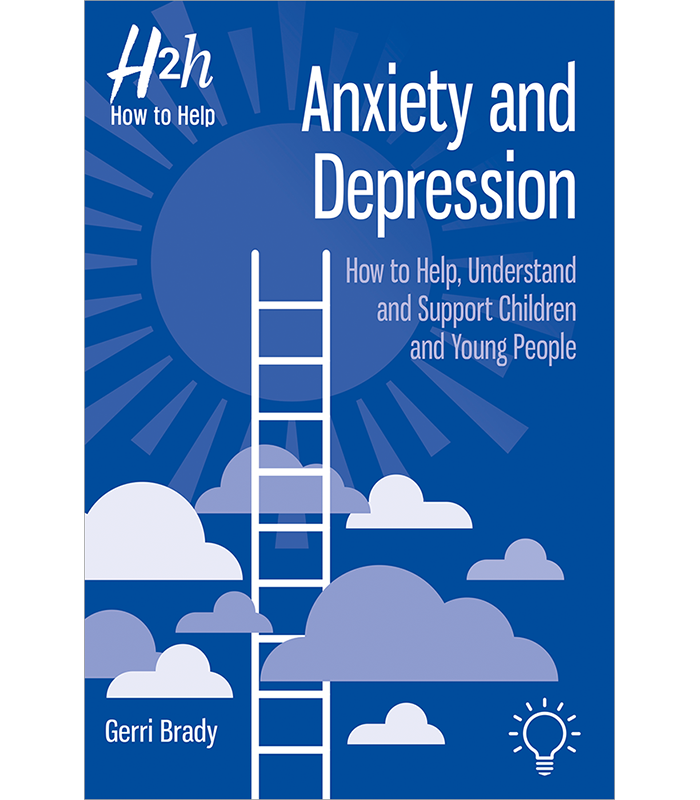
Anxiety and Depression: How to Help, Understand and Support Children and Young People is an essential text for all parents, carers and teachers of young people who suffer with anxiety and depression. This accessible guide provides practical solutions to the ways in which parents, carers and teachers can help. The book shows how parents and professionals can successfully collaborate to achieve positive outcomes.
The book uses anonymised case studies to explore a range of presentations of anxiety and depression and describes real-life supportive approaches to help assist recovery. The book also covers specific disorders including: phobias, social anxiety, separation anxiety, panic attacks, GAD, OCD, PTSD, school anxiety, low mood and clinical depression.
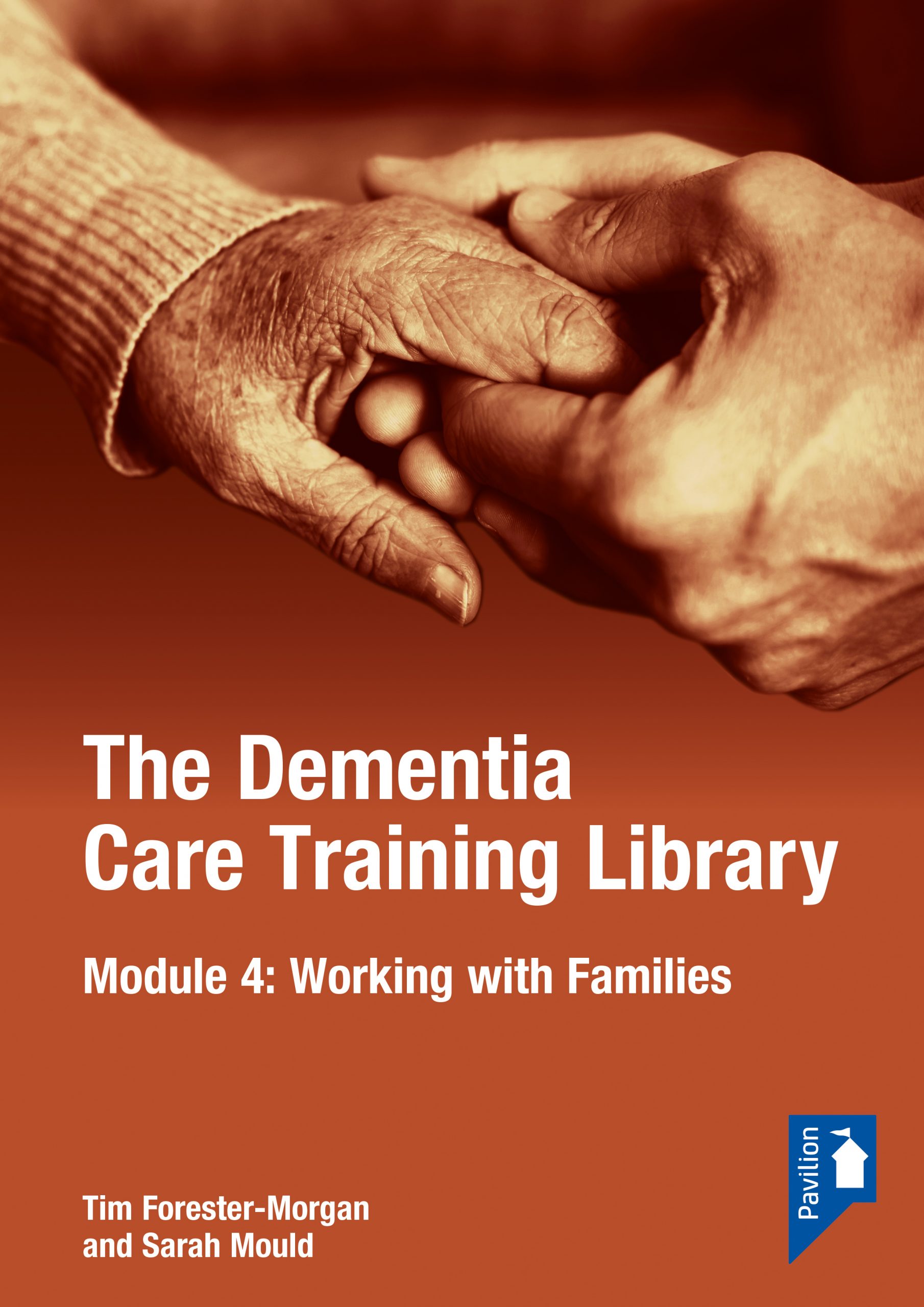
Module 4 explores the impact that being a carer can have on the mental and physical health of family members, and how to work sensitively in partnership to support them. All modules and content is mapped to the most recent Department of Health Dementia Standards Training Framework. The training materials take an Action Learning approach. This means a balance of information and practice-based activities. It allows learners to reflect on and apply new knowledge in real time as a team, which in turn leads to improved practice in care.
All Dementia Care Training Library materials take an Action Learning approach. This provides a balance of information and practice-based activities that allow learners to reflect on and apply new knowledge in real time as a staff team, and which ultimately leads to changes in practice in the care environment.
Free UK Postage on all orders over £20 in UK - sign up to our newsletter for 10% off your first order. Dismiss
We use cookies on our website. One group is essential for our business and another provides third party services. Click OK to accept all cookies, Opt-out to refuse services cookies, or visit our Cookie Policy.