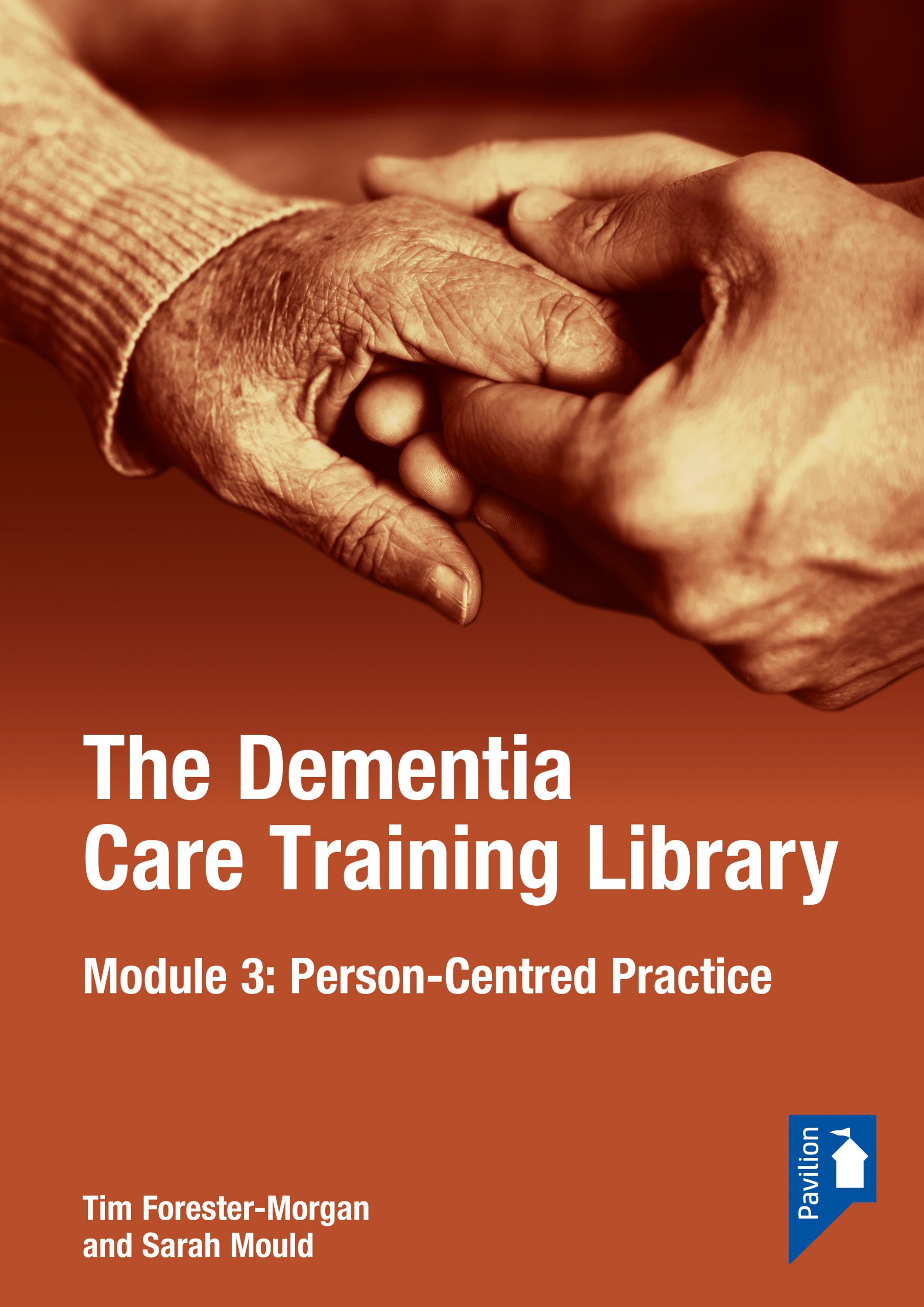
The Dementia Care Training Library:Module 3 explores how understanding wellbeing can allow carers and other professionals to provide person-centred care in the most respectful ways. It is a unique modular suite of person-centred, dementia-specific content. It provides everything for professionals working in relevant care services to deliver authoritative in-house training.
Once users have delivered the two core introductory modules contained within the Starter Pack binder, they can expand the training library by adding any of the four further Dementia Care Training Library modules (Modules 3-6). The optional modules are provided as loose-leaf pages to be added to the master binder.
All Dementia Care Training Library materials are mapped to the most recent Department of Health Dementia Standards Training Framework. The training materials take an Action Learning approach. This means a balance of information and practice-based activities. It allows learners to reflect on and apply new knowledge in real time as a team, which in turn leads to improved practice in care. Providing a balance of information and practice-based activities that allow learners to reflect on and apply new knowledge in real time as a staff team, and which ultimately leads to changes in practice in the care environment.
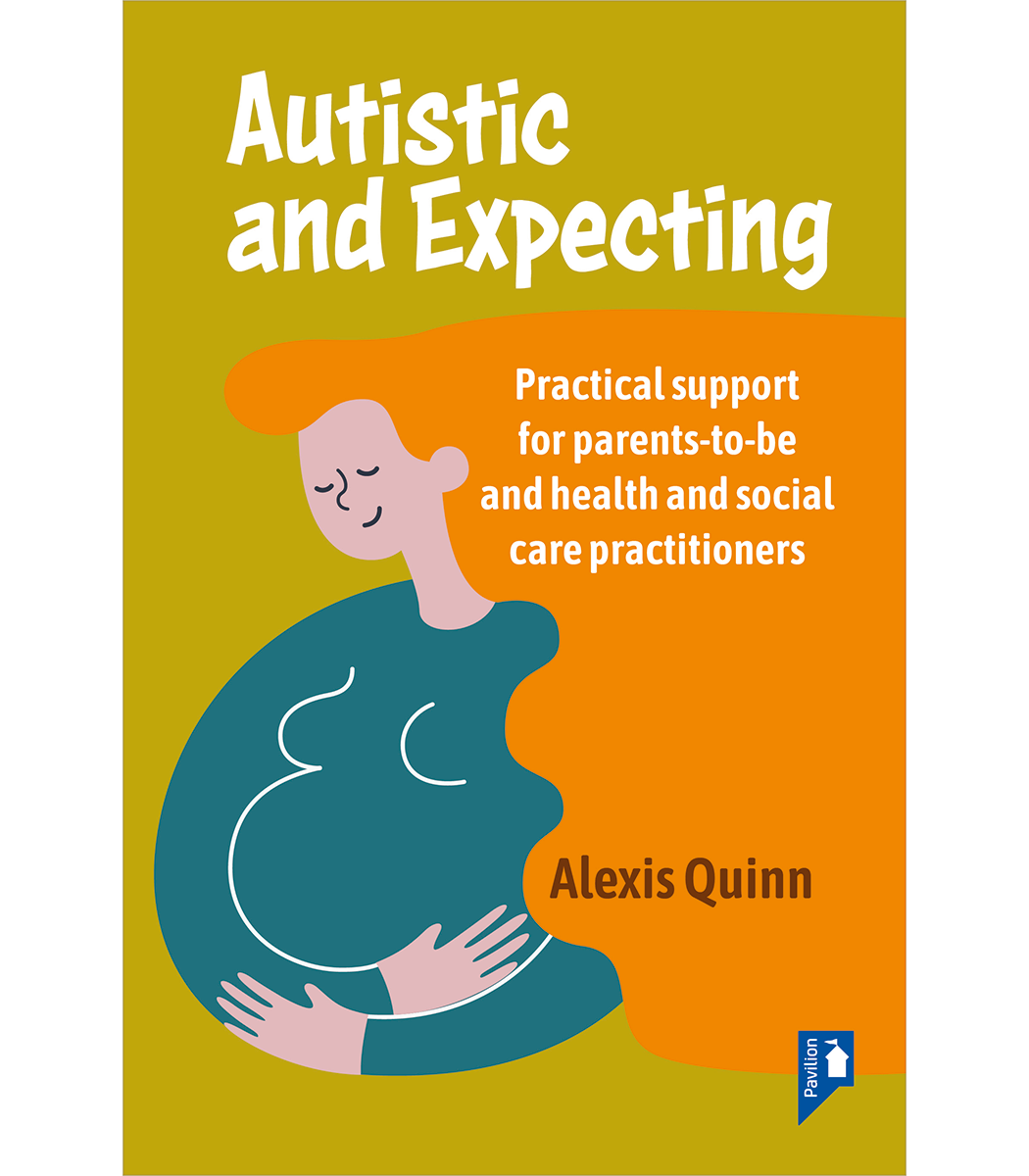
Autistic and Expectingis the first book of its kind to be written specifically for autistic parents. The author is an autistic mum who experienced a mental health crisis after a poorly supported pregnancy and childbirth. The book voices the experiences of many autistic parents and addresses the issues they uniquely and collectively face.
The book provides a practical, insightful and solution-focused guide to empower autistic parents from pre-conception through to the first few months. It is sensitively illustrated and provides the information, resources and confidence autistic parents need to advocate for themselves, as well as developing positive relationships with the professionals involved in their care. This is a useful textbook for health and social care practitioners. It details how to provide reasonably adjusted care with the best outcomes for autistic people and their babies.
Imagery Rescripting Theory and Practice is a complete practitioner’s guide to helping clients overcome intrusive mental images and traumatic memories through Imagery Rescripting (IR). Imagery rescripting (IR) is a therapeutic technique that allows problematic events to be retrieved from memory and modified in positive directions – an evidence-based technique used within CBT.
The manual provides a clear and well-organized introduction to how IR can be applied in the treatment of personality disorders and other problems. It explores the various ways in which the technique can be utilised, including the use of IR for nightmares, addiction issues, and intrusive future-focused images (flash forwards).
Schema Therapy – A Phase-Oriented Approach, Targeting Tasks and Techniques in Individual and Group Schema Therapy presents an innovative approach to managing individual and group schema therapy.
The therapeutic process is divided into four phases:
Phase 1: focuses on safety and security
Phase 2: stirs up old pain and emotions
Phase 3: encourages the client to take control and try new things
Phase 4: is about reinventing oneself and learning to live happily as a human being
Each phase is covered in one chapter each. Every chapter contains phase-specific exercises and practical tips. The book is clearly structured allowing for the therapist and client to work together step by step. The book offers clear guidelines for achieving an optimal life balance.
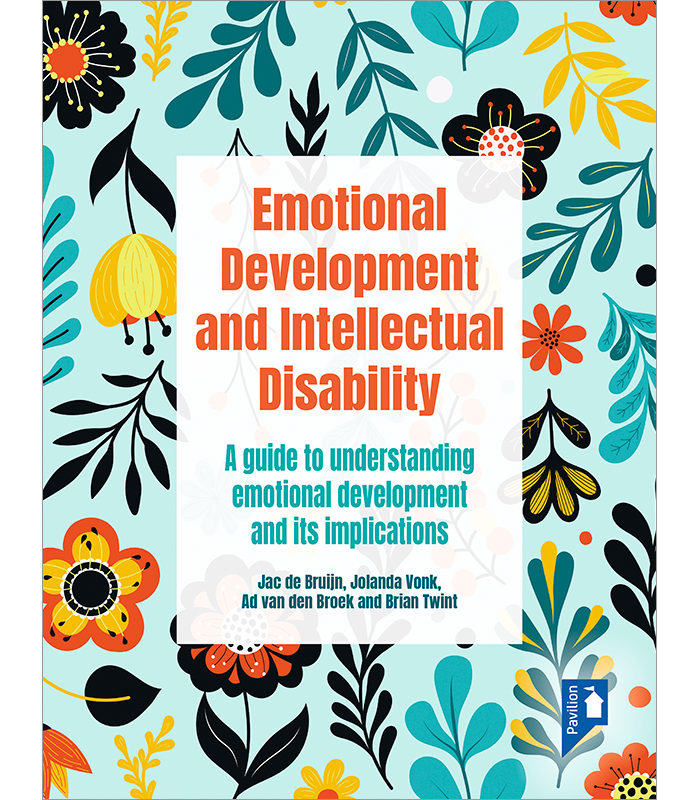
Emotional Development and Intellectual Disability is an authoritative, practical guide to the importance of emotions and emotional development in the needs and lives of people with intellectual disabilities, and in their care and support. Combining research, assessment and practice, the book explores this complex topic from a number of positive perspectives including emotional development as an adaptive behaviour, emotional development as a support need, and emotional development as a quality of life domain.
The aim is to help people working with or caring for those with intellectual disabilities to understand emotions better and use that understanding in real-world practice.
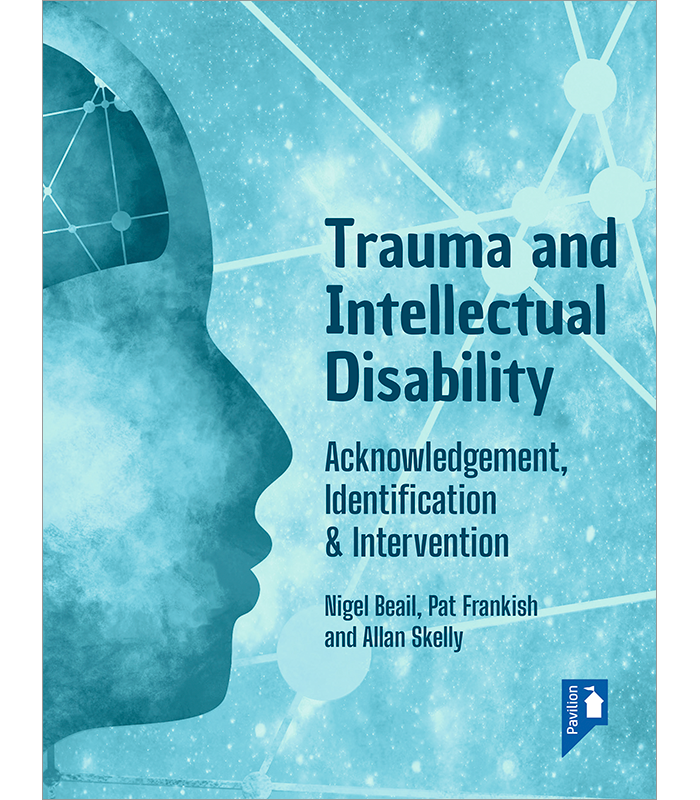
Discover practical strategies and therapeutic interventions for trauma and intellectual disability, enhancing care quality for vulnerable populations. This book is about Trauma-Informed Care (TIC) for people who have intellectual disabilities (ID). The provision of health and social care services is becoming more trauma informed, including in services for people with ID, where the experience of trauma is being increasingly acknowledged. This book addresses a gap in resources to guide those supporting people with ID by showing how services can work in a trauma informed way.
Including contributions from authoritative professionals in the field, and a powerful account of abuse from an expert by experience, the book provides an overview of the history which underpins the importance of trauma and TIC, and the impact of trauma on people who have ID. The second part of the book looks at trauma informed services and a growing and diverse range of therapeutic interventions, including positive behavioural support, intensive interaction, cognitive behavioural psychotherapy, dyadic interpersonal psychotherapy, developmental and psychodynamic approaches.
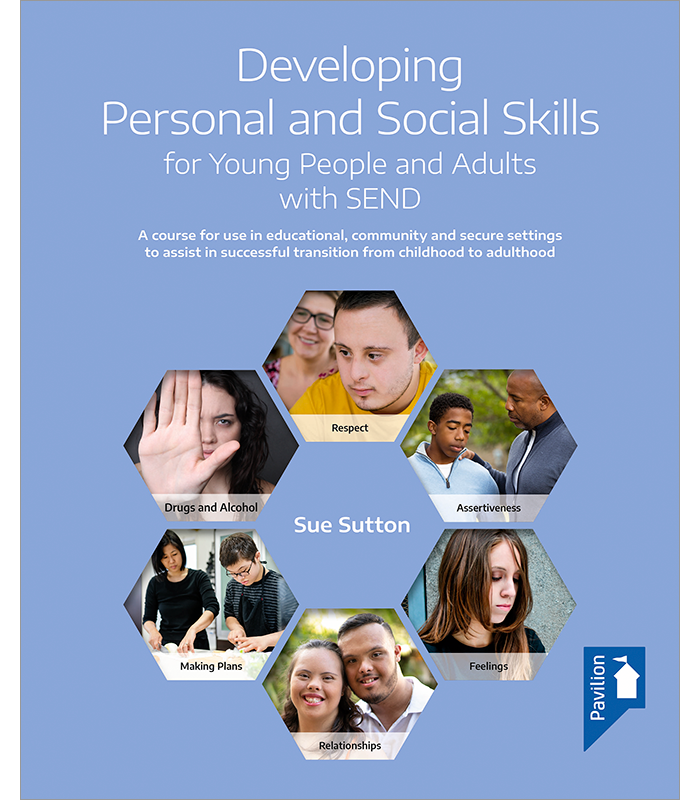
Many children and young people with intellectual disabilities, autism, mental health issues or offending behaviour have difficulty in making a successful transition from childhood to adulthood as a result of lack of opportunities, poor role models or the complex nature of their disability. As a result, they may lack understanding of social conventions and laws, appropriate social interactions and relationships, and how to manage feelings or difficult situations. As a result, they may suffer from low self-esteem and find it difficult to live and work successfully in the community. Explore how developing personal and social skills supports young people with disabilities in transitioning successfully to adulthood and community living.
The course manual aims to equip young people and adults with intellectual disabilities, autism or mental health difficulties with the personal and social skills to transition from childhood to adulthood and live successfully in the community.
Supportive Clinical Supervisionis the first systemic, evidence-based guide to the principles and practices of restorative clinical supervision, an organisational tool for reducing employee stress, promoting positive outcomes, and enhancing the emotional well-being of people at work.
Providing employees with a safe, confidential space to discuss the impact of work pressures, process challenging emotional aspects of their roles and reflect on work-life balance, and it is widely accepted as an effective means to maintain well-being and boost resilience in healthcare work.
In practice, however, the availability of restorative supervision to workers is often haphazard or superficial, with the growing recognition of supervision’s wider role in professional development yet to extend to its potential as a tool for enhancing staff well-being. Tackling this issue, Supportive Clinical Supervision presents the most up-to-date theory and practical guidance on how people cope with the diverse challenges they encounter in their work as healthcare professionals, and how their employers can help.
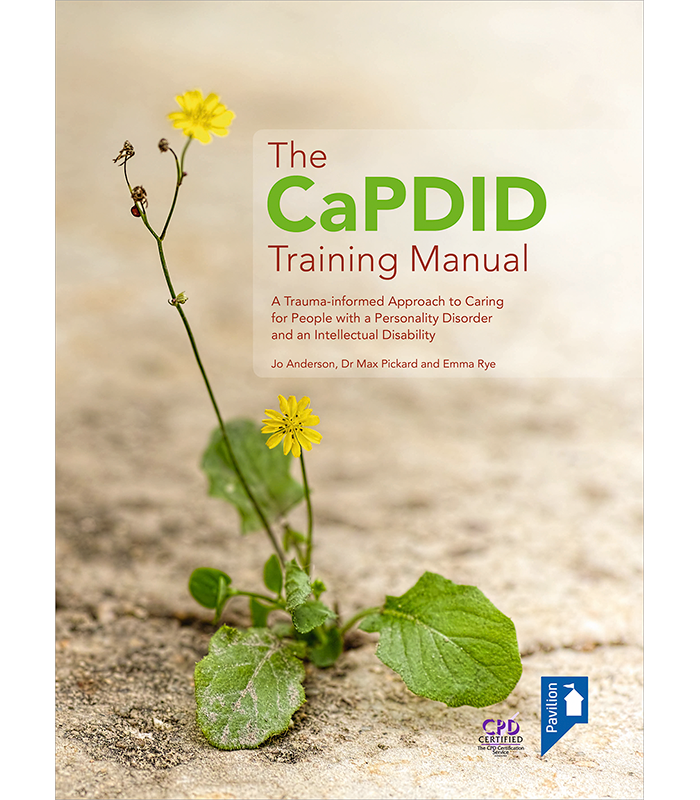
The CaPDID Training Manual: Caring for people with a Personality Disorder and an Intellectual Disability. A Training Manual using a trauma informed approach
Trauma informed approaches have not generally been made available to staff working in services supporting people who have both a personality disorder and an intellectual disability. This distinctive training manual enables facilitators who already have some level of understanding of psychodynamic concepts to help support staff better understand the people they care for in the context of their histories of trauma, and their own emotional and behavioural responses.
It offers professionals who are called on to support services (psychologists, psychiatrists, psychotherapists, nurses, occupational therapists etc) a standardised way of training and educating care staff in thinking about how best to provide support and a safe and supportive service to some of the most challenging clients. In doing so, it addresses contentious and challenging issues such as the terms ‘personality disorder’ and ‘challenging behaviour’, the traumatised carer and the difficulties of working competently with people who have complex emotional needs. Most importantly, it improves the understanding and confidence of staff in supporting their clients.
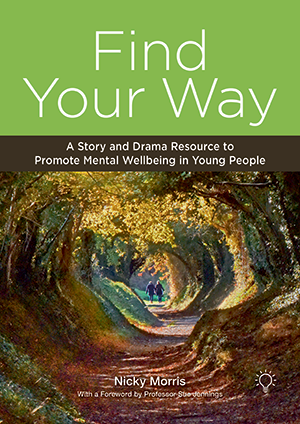
Find Your Waycontains ten illustrated short stories created especially to promote recovery, resilience and positive mental health among adolescents and young adults.
Stories are an invaluable tool for connecting with people, especially those reluctant to engage with more direct approaches. The stories tackle a wide range of specific mental health challenges such as trauma, separation, independence, rejection, hope and recovery.
The resource was originally developed with clients challenged by difficulties including depression, autism, eating disorders and emotionally unstable personality disorder (EUPD), the stories are proven in practice and supported by case studies, scripts, tableaus and activities. Each story concludes with reflective questions that empower and guide young people to choose their own ending to the story – and in doing so to begin moving beyond adversity in the way that suits them best. Find Your Way can be used in both the classroom and consulting room.
Free UK Postage on all orders over £20 in UK - sign up to our newsletter for 10% off your first order. Dismiss
We use cookies on our website. One group is essential for our business and another provides third party services. Click OK to accept all cookies, Opt-out to refuse services cookies, or visit our Cookie Policy.