
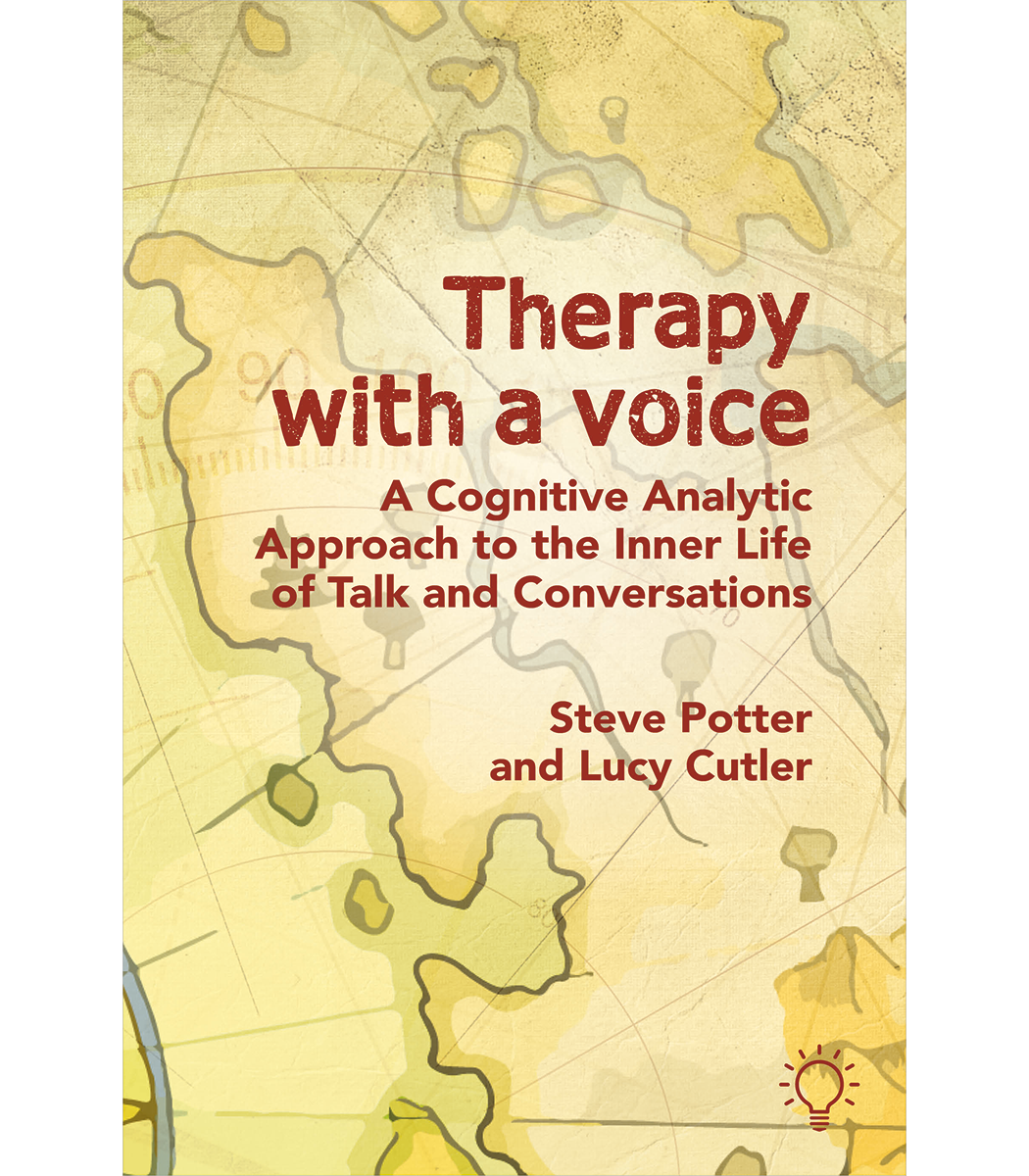
Description
Therapy with a Voice explores the ordinary dialogue between the visible and hidden life of conversation. We have never had more ways to communicate. Messages move constantly through phones, social media, email, and now AI. Yet many of us still leave conversations feeling unheard, misunderstood, or strangely alone. The book asks why do some conversations leave us lighter, while others echo in our minds for days? Why do we replay what was said — hearing it again through the sharper, more critical voice inside us? Why do certain patterns of explaining, withdrawing, arguing, or pleasing seem to repeat across our relationships?
Whether you are a therapist looking to extend your practice, or simply curious about the conversations that shape your life, Therapy with a Voice offers a fresh way of understanding everyday dialogue. Through vivid case studies, conversational mapping, reflective writing, and practical exercises, this book is accessible yet profound, and rich not only in theory but also in tools for everyday practice whether for professionals or more generally.
Drawing on the relational tradition of Cognitive Analytic Therapy (CAT), the authors invite us to look beneath the surface of everyday words and dialogue. We rarely speak with just one voice. Within us is a chorus shaped by our relationships — voices that invite, assert, defend, withdraw, reassure, criticise, or care.
From bestselling author of Therapy with a Map, Steve Potter, in collaboration with clinical psychologist Lucy Cutler, comes a striking new addition to the series.
Further titles by Steve Potter:
Therapy with a Map – A Cognitive Analytic Approach to Helping Relationships
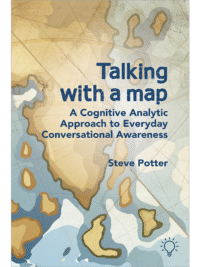
Talking with a Map: A Cognitive Analytic Approach to Everyday Conversational Awareness


Stephen W. Porges, PhD, creator of the Polyvagal Theory and author of The Polyvagal Theory –
In Therapy with a Voice, Steve Potter and Lucy Cutler offer an intuitive and insightful exploration of the voices that emerge through relationships and shape our lives. By illuminating how these voices influence the ways we connect, communicate, and understand ourselves, they provide a valuable perspective on human development and the enduring impact of relationships.
Daniel Robins CAT Psychotherapist and Trainer, Consultant Clinical Psychologist, Course Director (NHS-E funded) –
Therapy With a Voice reveals voice as one of our most powerful relational instruments—central to the dance between our past and present selves, ever present in the social ballroom where our inner and outer worlds meet and we encounter a cauldron of aliveness and possibility. Though this space can feel anxious for all of us, Potter and Cutler show, through examples and accessible CAT-based tools, how mapping, writing and voicing can open kinder, richer dialogue and create new potential for understanding and growth. The book offers a generous, hopeful invitation to listen more closely, speak more freely, and rediscover the transformative potential of voice in all our relationships. Though our languages may differ, the voice is common to us all, making this book so valuable to all therapists (including those training in and practising CAT), and everyone navigating the intimacies of everyday relational life.
Stephanie Fisher Director of Behavioral Health Services New York, United States –
It is so valuable reading this book on therapeutic practice. It makes you want to leap off the pages to put the details into action. Bringing into the therapy space the voices of those we carry with us, who have shaped and influenced us, and sometimes who have hurt us, is so powerful and timely: this is needed. This book welcomes curiosity and discovery; to navigate the voices telling us we are capable, confused, worthy, uncertain, flexible, curious. It’s a must-read for therapists looking to deepen relational creativity. This strongly resonates with the work I do in America and inspiring me to do more. Thank you for this writing and giving voice in this space.
Laura Golding, Clinical Psychologist –
Therapy With A Voice is a thoughtful, wise, timely and informed read. Written by two experienced therapists, it takes the reader on a compelling journey exploring ‘voice’ in its broadest sense. Whilst the book’s key focus is on how voice shapes the therapeutic relationship, explored within the framework of Cognitive Analytic Therapy, the authors also draw on a wide range of sources and other therapeutic models and theories. Its breadth and rich, layered exploration of voice makes it required reading for clinical psychologists across all clinical specialities, as well as other psychological therapists. Beyond the therapy context, this is a book for anyone curious about the voices that move through our everyday lives. At a time when public discourse is peppered with hate and polarisation, which inevitably erodes conversation, this book reaches out well beyond the therapy room. To quote the authors ‘…this book offers a small pause – a way of looking more closely at how voices meet, misunderstand and shape one another’.
Robert Marx Co-Lead, Sussex Mindfulness Centre, Lead Consultant Clinical Psychologist, Sussex Partnership NHS Foundation Trust –
For those of us CAT therapists and mental health practitioners falling towards routine practice, technical formulations or the lure of certain or dogmatic positions, this book accessibly and practically helps us to come alive again: to listen deeply and embrace the rich, polyphonic possibilities calling to us in every word, gesture and tone of every interaction we have.
Elizabeth Wilde McCormick, founder member of ACAT, author or Change for the Better –
This book illustrates beautifully and in great detail the many ways in which our different individual human voices, both hidden and expressed, move with us and influence us through everyday life. We read how different voices live in our bodies and nervous systems. We are invited to listen out compassionately for each voice whether spoken, thought, pondered on, forgotten or silenced; whether present or past; or yet to reveal itself. And we learn to continue listening as our voices communicate and we inhabit a welcome new world. This is a creative and welcome contribution to all psychotherapy practice and particularly to CAT.
Dr. Christel Hessels, clinical psychologist and CAT-practitioner and supervisor, chair of the Dutch Association in Cognitive Analytic Therapy (CAT-NL) –
Voices carry continuity from one context and relationship to another. This book conveys the voices of the relational therapeutic model of cognitive analytic therapy into a dialogue for all helping professionals. Its developmental focus on voices resonates strongly with the lived experience of both clients and professionals and deepens relational awareness in a way that feels both grounded and transformative. A thoughtful and practical guide for anyone seeking to deepen relational consciousness in their work.