Description
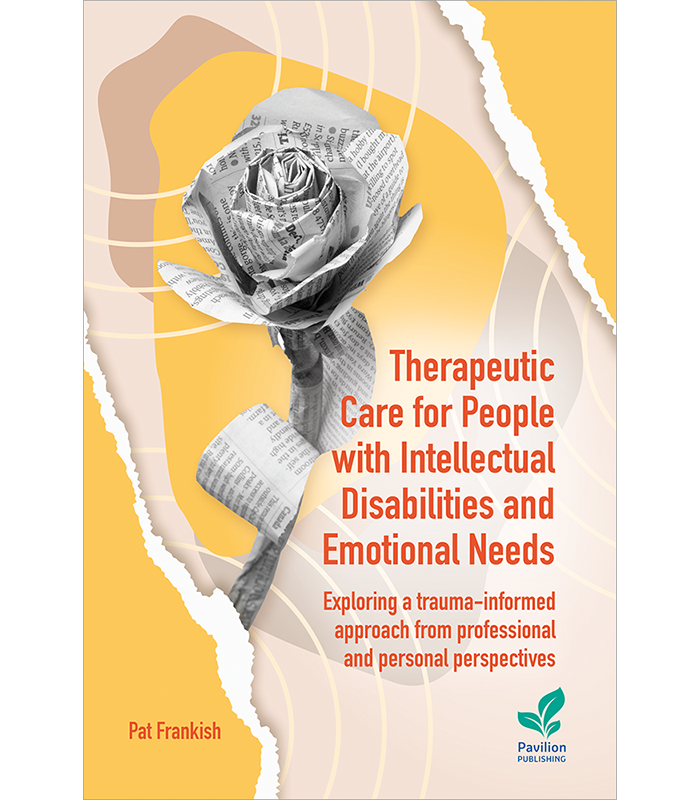
Therapeutic Care for People with Intellectual Disabilities and Emotional Needs: Exploring a trauma-informed approach from professional and personal perspectives introduces a model of support for people with intellectual disabilities who have experienced trauma. It provides an accessible overview of the key theories which have informed our understanding of the emotional development of people with intellectual disabilities and an overview of the growing evidence of the effects of early trauma and repeated traumatic experiences.
The book introduces practical examples of different settings where therapeutic care has been applied – including supported living, outpatient therapy, with children and adults and with diverse and multicultural approaches. And there are personal stories from staff and those with lived experience of the services.
The book is based on the authors successful measurement tool, the Frankish Assessment of the Impact of Trauma in Intellectual Disability (FAIT). There are contributions from leading individuals in the field who have incorporated psychotherapy and a trauma-informed approach into their services.
Audience
This is suitable for the following audience:
- Clinical psychologists
- learning disability specialist clinicians
- front-line care staff
- nurses and allied health professionals
- students of the above disciplines
- professional and family caregivers of people with intellectual disabilities
- care provider organisations
Author(s)
Dr Pat Frankish is a Clinical Psychologist with many years of experience in the field of trauma, disability and psychotherapy. Pat provides expert psychological services as well as direct support for very distressed individuals in supported living environments. She is a past President of the British Psychological Society and continues to speak publicly and provide training for staff working at all levels of security and community provisions.
Prof Nigel Beail is Professor and Consultant at South West Yorkshire NHS Foundation Trust.
Valerie Sinason is a writer, lecturer, clinical adult psychoanalyst and President of the Institute for Psychotherapy and Disability.
Paula Levett is a Principal Clinical Psychologist working in a specialist service for children and adolescents with learning disabilities.
Dr Erica McInnis is the Director and Clinical Psychologist with Nubia Wellness Healing.
Content
Foreword by David O’Driscoll
Introducing the model of care
1: Introduction
2. The Disability Psychotherapy Story
3. The Story of the FAIT
4. The FAIT and the Under-Fives
5: The History and Development of the Frankish Group of Companies
6. The Rowan House Story (Amanda Brock)
7. The Property Story – A Historical Perspective
Professional perspectives
8. Experiences of Using the FAIT Model in a Children’s Specialist LD Service (Paula Levett)
9. Disability & Trauma Work (Valerie Sinason)
10. Development of Psychotherapy for People with ID (Nigel Beail)
11. Disability Psychotherapy and Black Youth Knife Crime (Dr Erica McInnis)
12. The Dementia Story (Tilly Brock)
13. Secure Accommodation to an Ordinary Life
Personal perspectives
14. The Staff Story – Personal Perspectives
15. Sylvia’s Story (Carol Hall)
16. Susan’s Story
17. Peace and Freedom
18. Support and Trust (Carrie Anne)
19. Future Possibilities
Details
Publisher: Pavilion Publishing and Media Ltd
ISBN: 9781803884301
Publication Date: 16th June 2025




Jim Blair, WHO Advisory Group Member on Disability, Independent Clinical Reviewer NHSE, Consultant Nurse LD, Associate Professor Kingston University –
Ensuring that interactions, care and treatment with people with intellectual disabilities are trauma-informed is central to how non-professionals as well as professionals engage with individuals’ in their lives and practice in order to assist individuals with intellectual disabilities.
This text will be an excellent resource for any health, social or care professional seeking to practice in a trauma-informed manner and enabling therapeutic care for people with intellectual disabilities that meet their emotional needs in a tailored bespoke manner.
This text is very welcome, as Frankish alongside the other contributors explore, using as its basis the Frankish Assessment of Impact of Trauma in Intellectual Disability (FAIT) tool, how Therapeutic Care for People with Intellectual Disabilities and Emotional Needs can be applied across a range of settings such as children’s services, supported living, assisting individuals who have dementia and examining the role of trauma in youth violence. The use of personal stories adds depth to the text enabling better understanding of issues and topics under discussion.
The construction of the book into sections with the first 7 chapters acting as an introduction to the model of care covers; the story of the Disability Psychotherapy, the development of FAIT, using FAIT in the under-5’s, the history of the Frankish Group of Companies and so on. The next section focuses on professional perspectives and includes sections on: experiences of using FAIT in children’s services, reflecting on one professional’s lifetime of work in trauma related practice, onto the development of psychotherapy for people with intellectual disabilities and finishing on the moves from secure accommodation to an ordinary life. The third section explores the professional applications beyond intellectual disability into areas such as disability psychotherapy and black youth knife crime towards a new understanding and intervention through to dementia. The final section of the book examines a number of personal perspectives and stories ending on some exploration of future possibilities.
I would recommend that this book is read by anyone with an interest in improving their knowledge around trauma-informed issues and people with intellectual disabilities. I think families and friends of people with intellectual disabilities would find this book of interest. Alongside the non-professionals I recommend this text is used by students as well as qualified practitioners in gaining further understanding of how to be trauma-informed across a wide variety of care settings with individuals with intellectual disabilities.