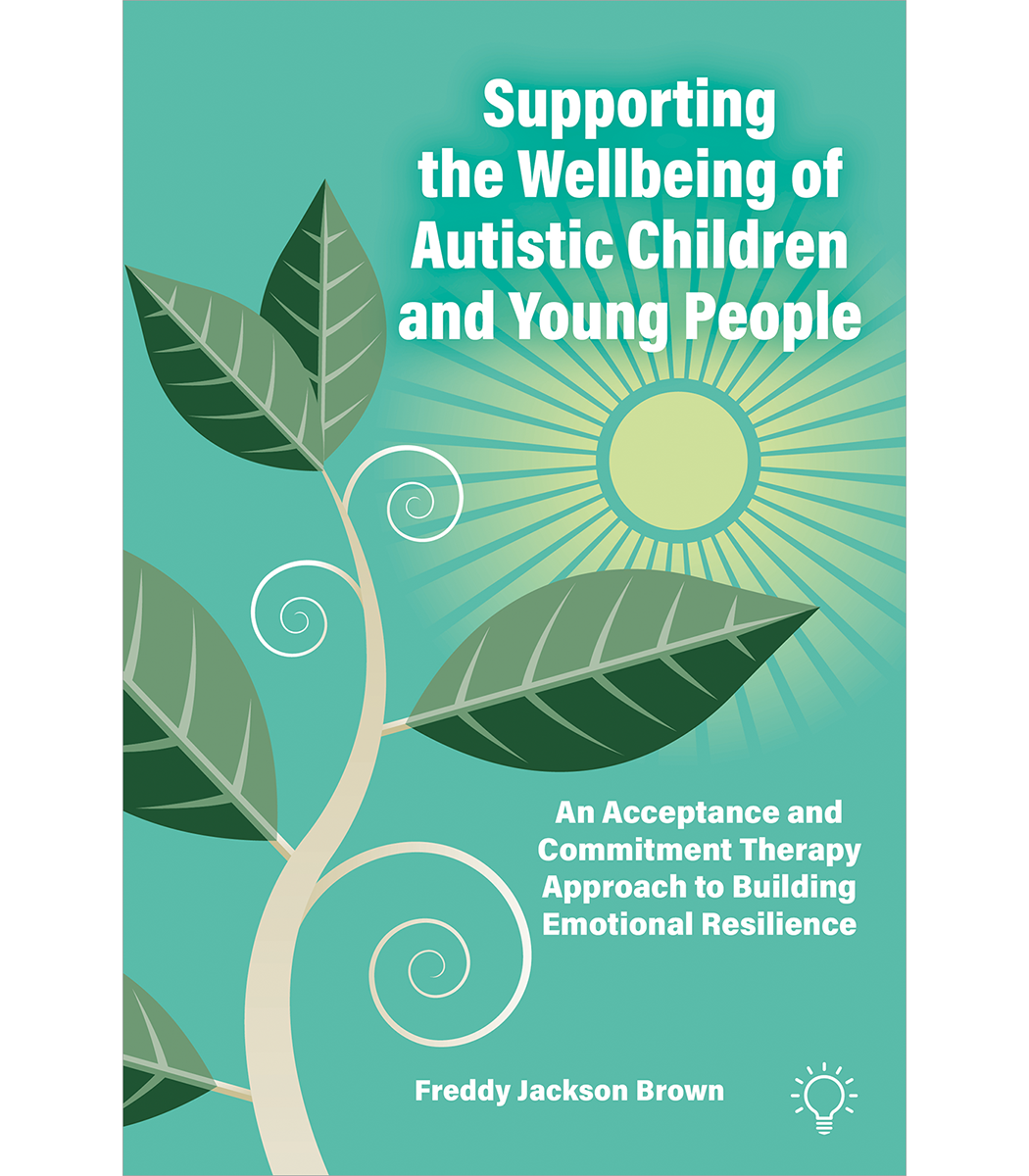
Discover how Acceptance and Commitment Therapy (ACT) & the DNA-V model can empower parents & professionals to support autistic children and young people through all stages of their emotional development.
Raising any child presents challenges that require understanding, patience, and new ways of looking at emotional growth and resilience. Supporting an autistic child effectively can often require two interlocking approaches:
1) changing the world around them to make it more inclusive and
2) teaching them skills to better navigate that world.
This book does both. It provides a range of learning exercises based on Acceptance and Commitment Therapy (ACT). ACT helps individuals to behave more consistently with their own values and apply mindfulness and acceptance skills to their responses to uncontrollable experiences.
The closely related DNA-V model, which stands for four skills – Discoverer, Noticer, Advisor and Values which is also discussed in the book, is a combination of ACT and positive psychology. DNA-V is designed to help young people cope with challenges, stress and change. DNA-V is simple and easy to understand and is popular with psychologists, therapists, mental health professionals, teachers, counsellors and coaches.
Whatever your situation or level of knowledge, this book offers practical strategies, insights and real-life examples that will help guide you and your child on your journey to a rewarding life together.
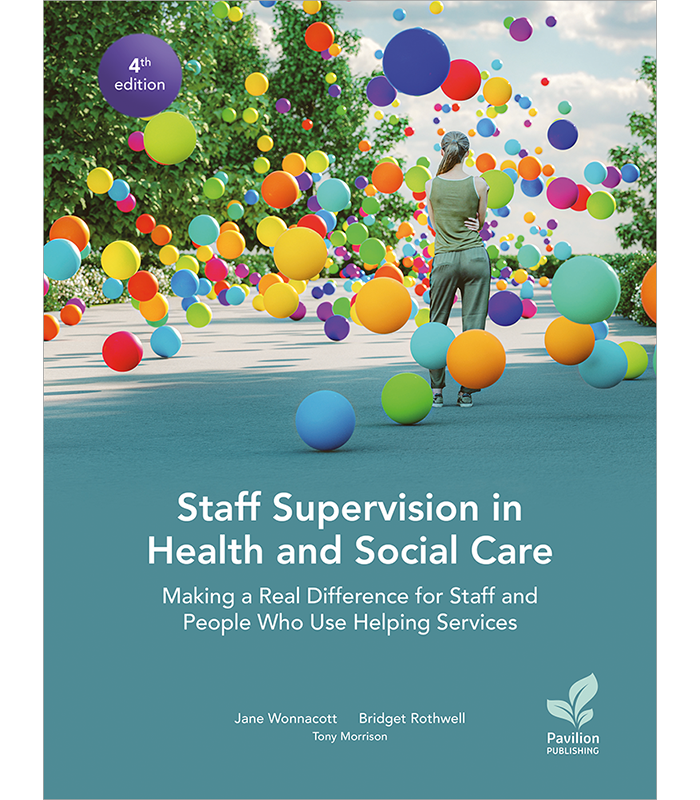
Staff Supervision in Health and Social Care: A fully revised fourth edition of Tony Morrison’s bestselling Staff Supervision in Social Care, has been updated for the challenges faced by today’s helping professionals. This new edition builds on Tony Morrison’s pioneering legacy and incorporates new developments and tools. It is a landmark publication for the contemporary supervision field.
The material is underpinned by the belief that the way in which an organisation supervises and supports its staff is critical to improving the quality of the service it provides. And the level of supervision delivered must be good to benefit all.
The 4th Edition sets out the proven IMS (Integrated Model of Supervision), incorporating four stakeholder groups, four interrelated purposes and a four-stage reflective cycle – the 4x4x4 model.
Like its predecessors, the 4th Edition contains a wealth of information, guidance, research, practical frameworks, action learning exercises and supervision tools.
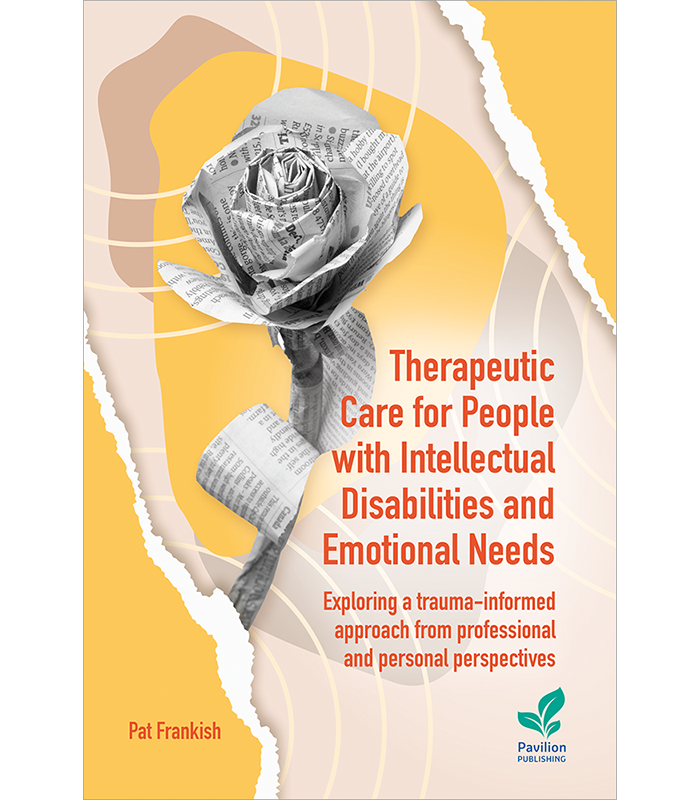
Therapeutic Care for People with Intellectual Disabilities and Emotional Needs: Exploring a trauma-informed approach from professional and personal perspectives introduces a model of support for people with intellectual disabilities who have experienced trauma. It provides an accessible overview of the key theories which have informed our understanding of the emotional development of people with intellectual disabilities and an overview of the growing evidence of the effects of early trauma and repeated traumatic experiences.
The book introduces practical examples of different settings where therapeutic care has been applied – including supported living, outpatient therapy, with children and adults and with diverse and multicultural approaches. And there are personal stories from staff and those with lived experience of the services.
The book is based on the authors successful measurement tool, the Frankish Assessment of the Impact of Trauma in Intellectual Disability (FAIT). There are contributions from leading individuals in the field who have incorporated psychotherapy and a trauma-informed approach into their services.
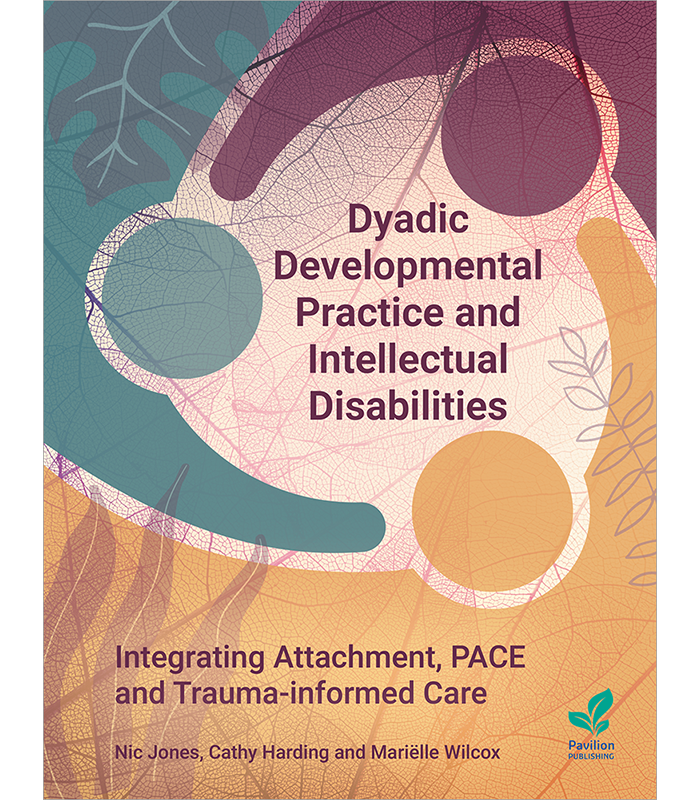
Dyadic Developmental Practice has evolved from a model of direct therapy (DDP) originally developed for children who are fostered or adopted. This therapeutic approach is tailored to building relationships and to help address past trauma experiences.
This book is first to offer DDP approaches and adaptations when supporting children and adults with an intellectual disability (ID).
The authors outline the key concepts and frameworks used in DDP, illustrated through a range of case studies and practice examples. The book considers all elements of DDP including psychotherapy, parenting practices and PACE (that stands for being Playful, Accepting, Curious and Empathetic about a person’s experience). The book acknowledges that the PBS framework is prevalent within services for people with ID and offers ways to draw on the DDP framework to enhance this work.
Dyadic Developmental Practice and Intellectual Disability is written in an accessible style for health workers and social care staff. The book includes key resources developed for future training and supervision.
The foreword has been written by Kim Golding, an active developer of DDP in the UK who was trained and mentored by Dan Hughes, the founder of DDP.
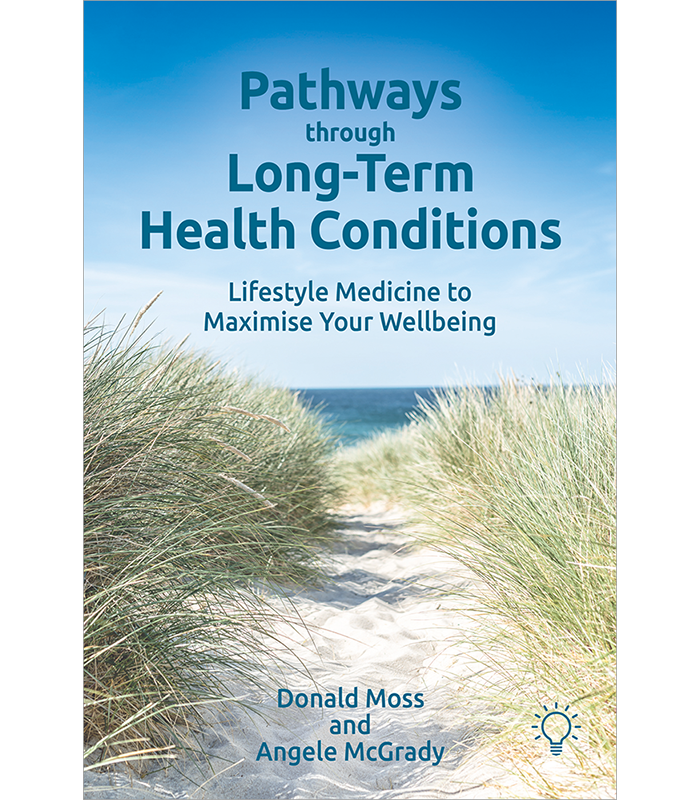
A self-help guide for people living with a chronic illness, based on a Lifestyle Medicine approach. The book aims to empower those living with long-term illnesses. Pathways through Long-Term Health Conditions offers a practical, evidence-informed guide for anyone living with a chronic health condition, from arthritis and heart disease to depression and IBS. Drawing on the principles of lifestyle medicine, authors Donald Moss and Angele McGrady present a clear, compassionate framework that helps readers take control of their wellbeing and work confidently with healthcare professionals.
Pathways combines academic insight with practical guidance. It equips readers with tools to better understand their condition, set achievable goals and build a personalised approach to wellbeing that complements conventional healthcare. Alongside accessible explanations, real-world case examples bring the model to life, showing how small, manageable adjustments can lead to greater resilience, activity and personal agency.
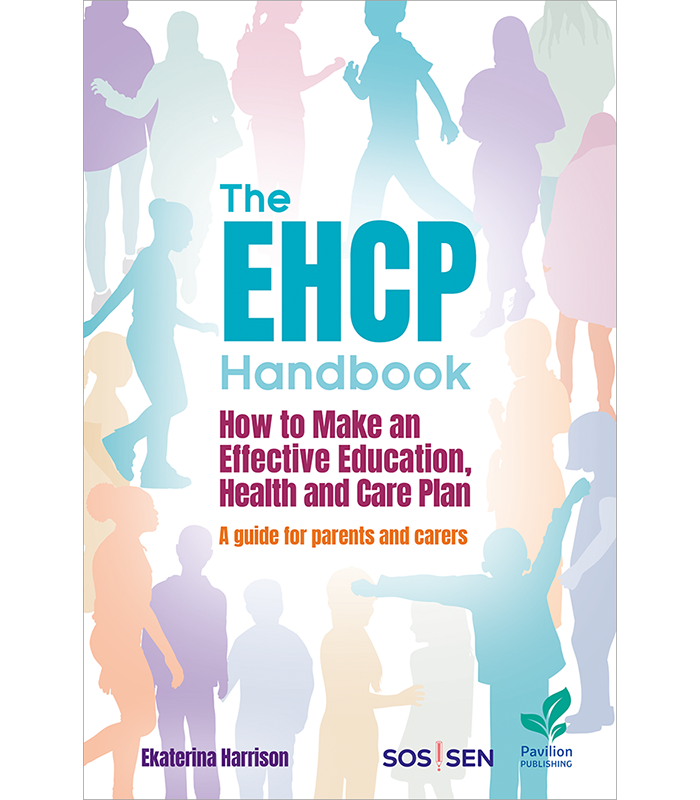
In England, more than half a million children and young people with special educational needs and disabilities have an Education, Health and Care Plan (EHCP). However, if not written properly or with careful attention to the specific needs of the individual, an EHCP can be ineffective or misleading. This accessible EHCP handbook, aimed at parents and carers but relevant to professionals working in education and social care, acts as a guide through all of the stages of making an EHCP, equipping the reader with the information needed to ensure it provides clear guidance and support for the child or young people’s education journey.
Alongside some accessible background to the legal process, this handbook offers practical solutions and strategies to avoid common pitfalls and misleading wording, helping families to advocate for their rights with the aim to promote more effective collaboration between parents and support teams.
Ekaterina Harrison held a webinar with another SEND parent, Julie Pender on how to make an effective education, health and care plan. You can watch the webinar on our Learning Disability Today website here.
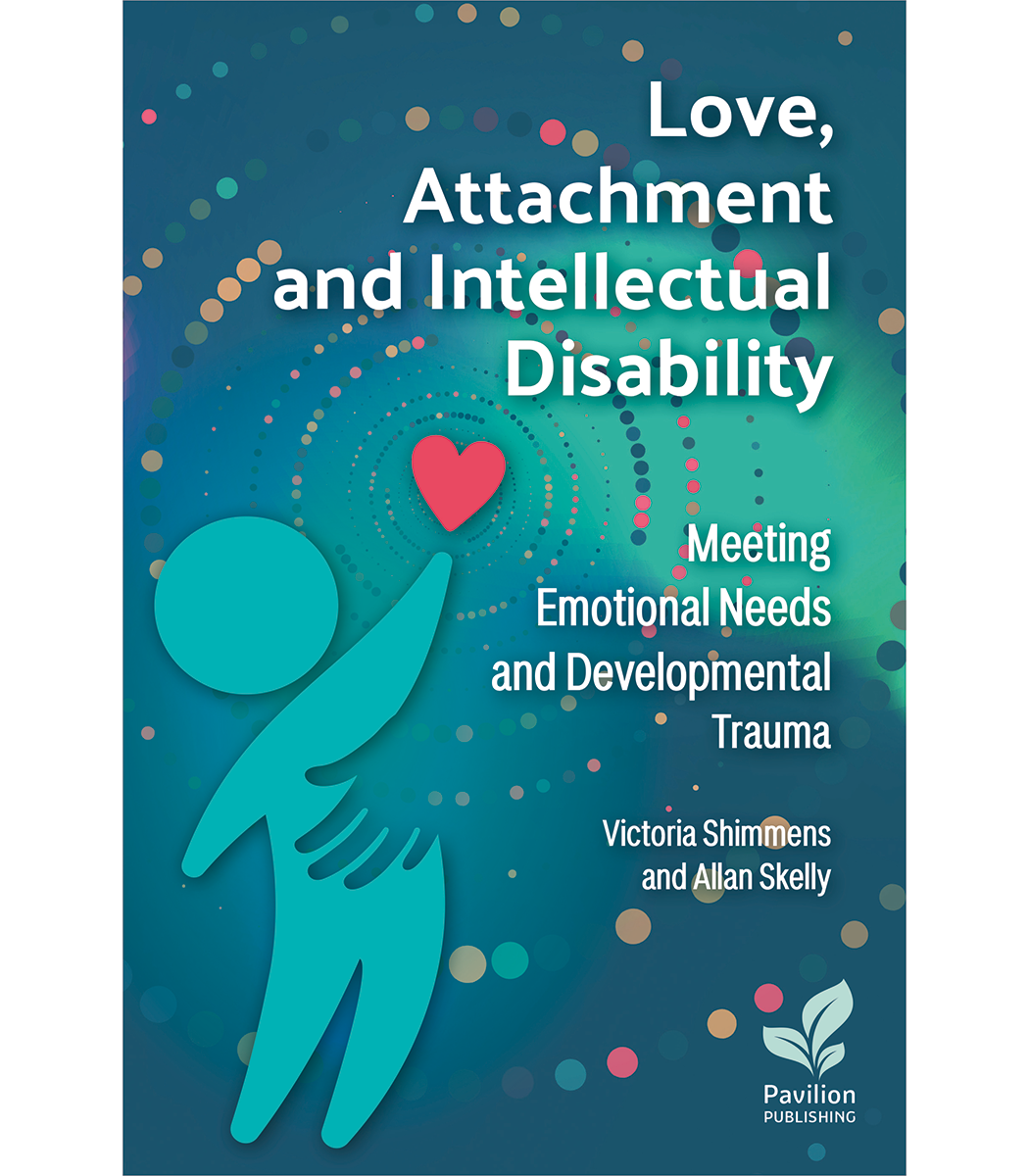
Love, Attachment and Intellectual Disability came about from the authors’ experience working together in clinical learning disabilities services, and their work to move the focus away from the management of challenging behaviour and towards a trauma-informed, attachment-based approach to caring.
It introduces some of the key theories that have informed our understanding of the emotional development of people with intellectual disabilities and the importance of receiving love from an attachment figure from a young age. There are case studies that focus on the lives of particular individuals – sometimes presented as individual therapy sessions and sometimes an overview of progress across many sessions.
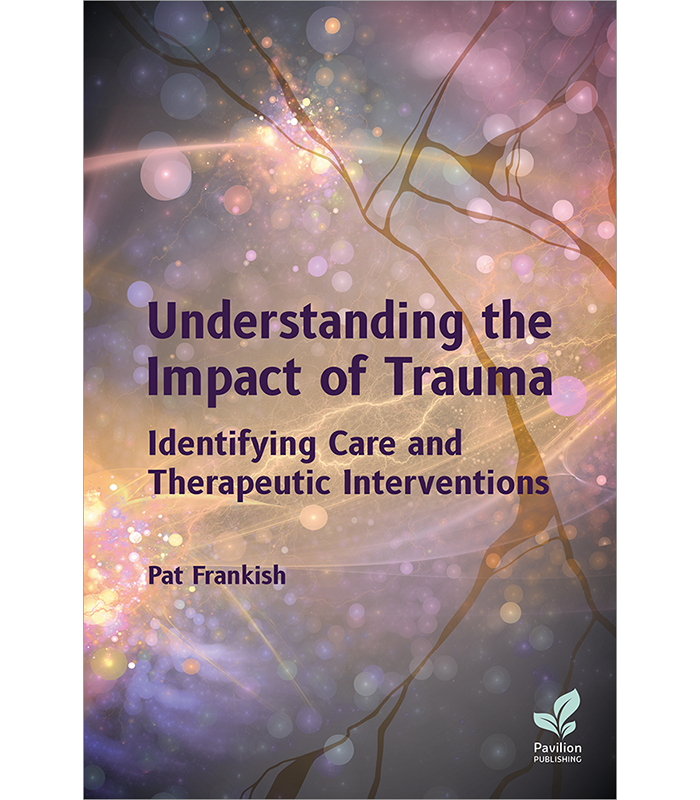
Since its publication in 2019, the FAIT has begun to be used more widely to inform a variety of care packages and therapeutic interventions. Understanding the Impact of Trauma takes the FAIT as a starting point, exploring the concept of ‘emotional disability’ that can follow a traumatic event and the usefulness of applying models like the FAIT more broadly to anyone who has experienced trauma. It will introduce some of the key theories that have informed our understanding of the emotional development of people with intellectual disabilities, followed by a series of case studies focusing on different individuals and how their emotional development informed their therapeutic interventions, including people with intellectual disabilities, people with mental health issues, people living with dementia and autistic people.
Understanding the Impact of Trauma follows the success of the FAIT, an assessment tool for determining the level of emotional development in individuals with ID, and explores the usefulness of applying this model more broadly to anyone who has experienced trauma.
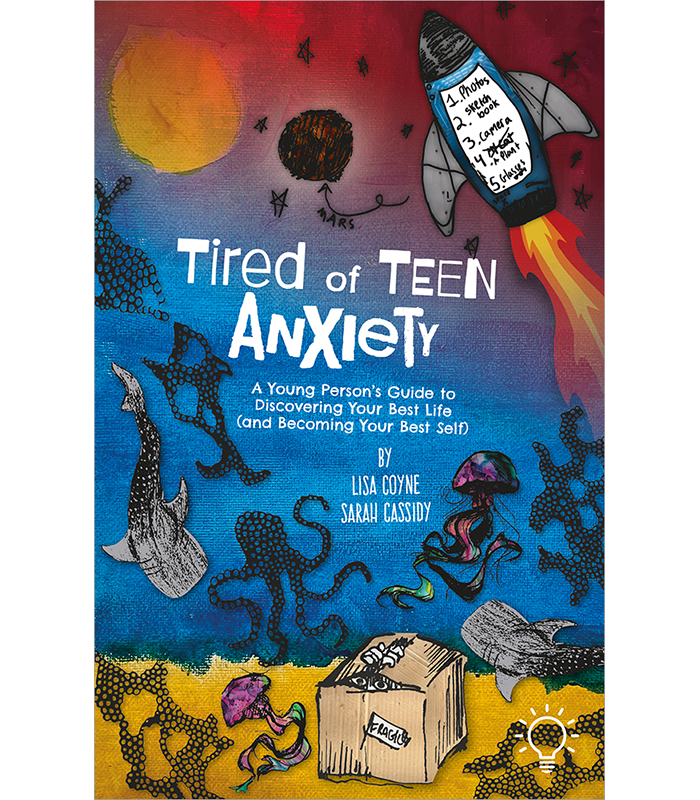
Tired of Teen Anxiety is a step-by step guide for teenagers on how to do the things that matter to them despite anxiety. The guide is based on principles of Acceptance and Commitment Therapy (ACT), and uses evidence-based clinical techniques and describes them in accessible ways. It gives teenagers a toolkit to work through anxiety over the long term. By acknowledging that difficult thoughts and feelings are a normal part of being human, rather than something to try to squash, the authors normalise the everyday struggles of anxious young people so that teens can learn positive ways of dealing with anxiety and get on with living their best lives!
Free UK Postage on all orders over £20 in UK - sign up to our newsletter for 10% off your first order. Dismiss
We use cookies on our website. One group is essential for our business and another provides third party services. Click OK to accept all cookies, Opt-out to refuse services cookies, or visit our Cookie Policy.