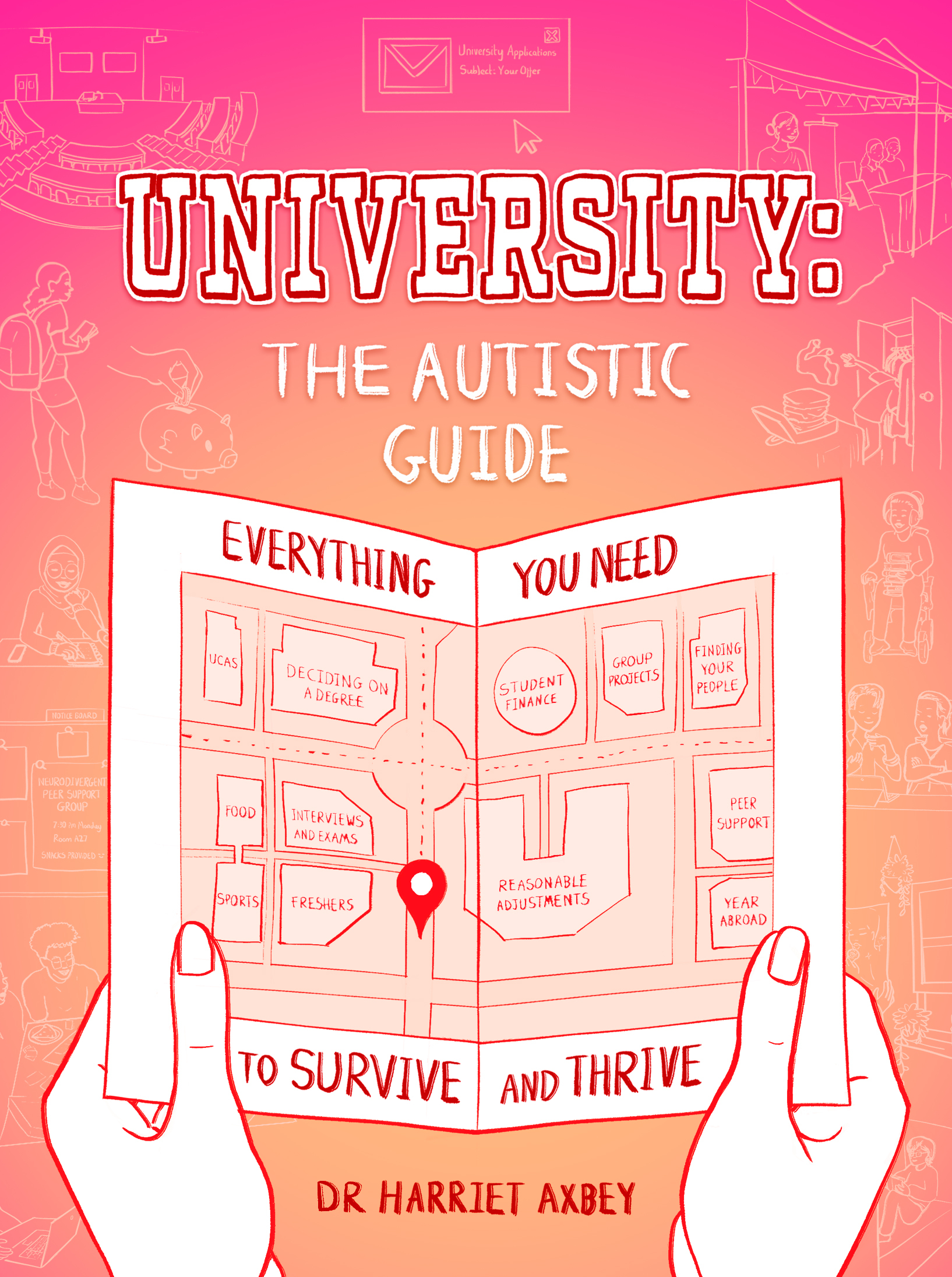
Starting university is a daunting experience for any student, especially if this includes moving away from home for the first time. This helpful, informative and friendly handbook is a guide to starting university for autisticyoung people, covering the entire process from applying, packing and financial admin to mental health support, dealing with burnout, finding your people and experiencing new opportunities. Organised in a user-friendly manner with clear signposting, definitions, useful templates and handy tips and tricks, University: The Autistic Guide will be a trusty handbook for young autistic people about to embark on their new academic adventure, as well as providing support and helpful tips for their families, educators and supporters.
This helpful and informative handbook is a trusty guide to starting university for autistic young people, providing support and useful tips for what will be the biggest transition students will have ever experienced.
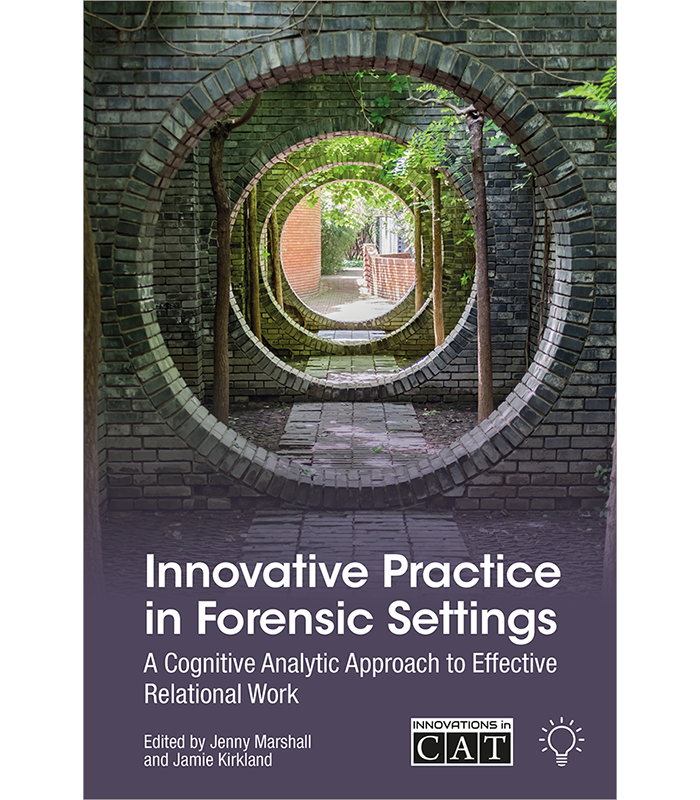
This new Innovative Practice in Forensic Settings explores issues of how to simultaneously hold in mind risk, safety and vulnerability, and how to maintain a capacity to think alongside a capacity to feel. Focusing on a relational and contextual understanding of trauma and offending, the chapters explore how to make use of a CAT approach across different forensic settings, clinical presentations and services.
Working in forensic services requires clinicians to deal with complex trauma on both a professional and personal basis. Professionally, they must care for and rehabilitate people who have not only experienced trauma but also behaved in traumatic ways toward others. And on a personal level, they are inevitably touched by this trauma – by reliving it in dialogue, or by observing its effects. A key challenge they face is to build strong therapeutic relationships with those for whom past relationships have faltered and often become incendiary.
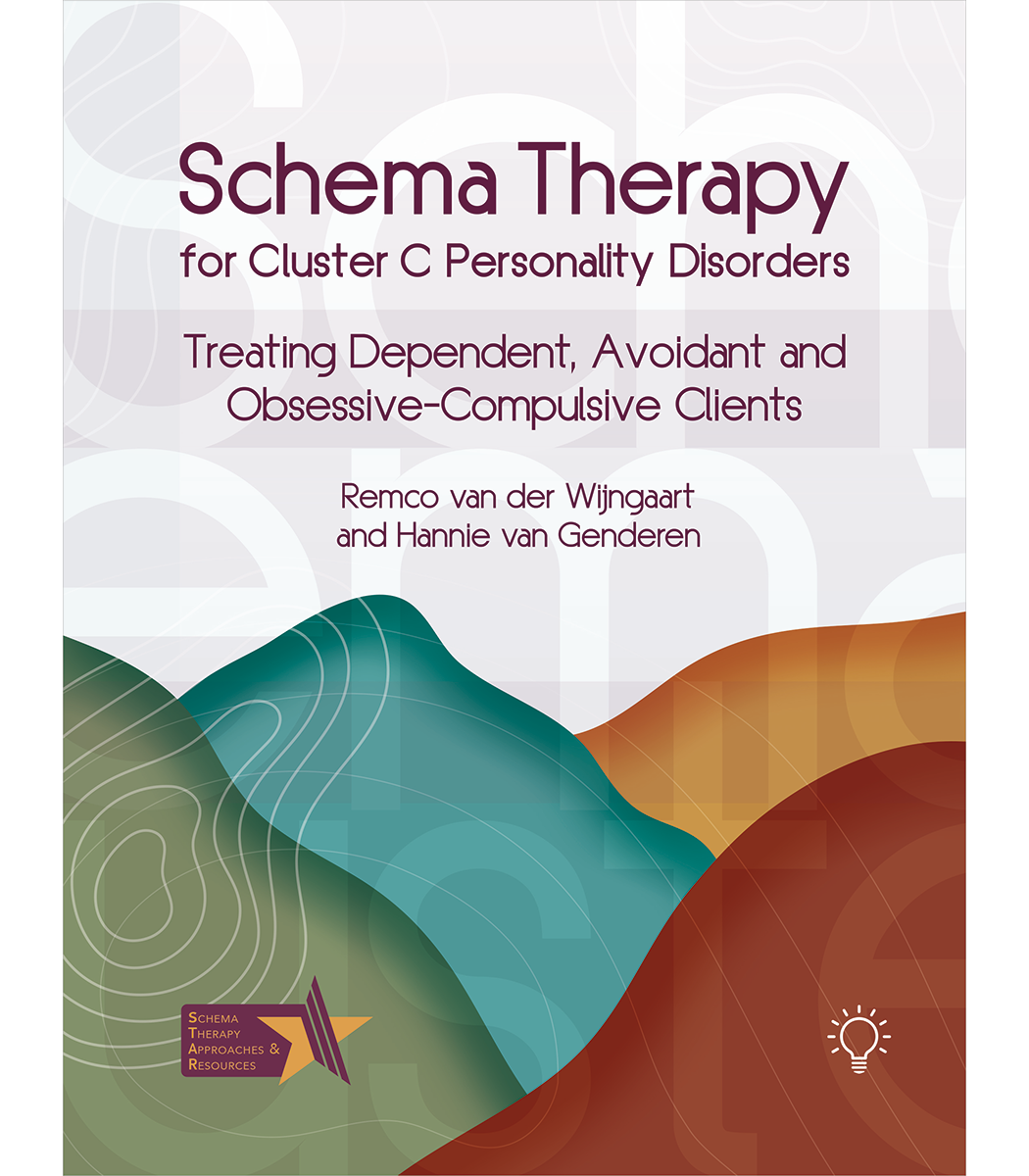
Gain an educational overview of schema therapy for cluster C personality disorders, with focus on theory, practice, and evidence-based strategies. Personality disorders are categorised into three ‘clusters’, each containing several specific disorders with common characteristics that differentiate them from those contained in the other clusters. Schema therapy was developed primarily to manage and treat ‘cluster B’ personality disorders, especially borderline personality disorder, and it has a robust evidence base in this area.
Research studies have shown that schema therapy is also an effective treatment for clients with ‘cluster C’ personality disorders – dependent personality disorder, avoidant personality disorder and obsessive-compulsive personality disorder – but only if a number of important adaptations and adjustments to the treatment protocol are made. Written by well-known experts in the field, this is the first book to explore the theory and practice of using schema therapy to treat individuals with ‘cluster C’ personality disorders.
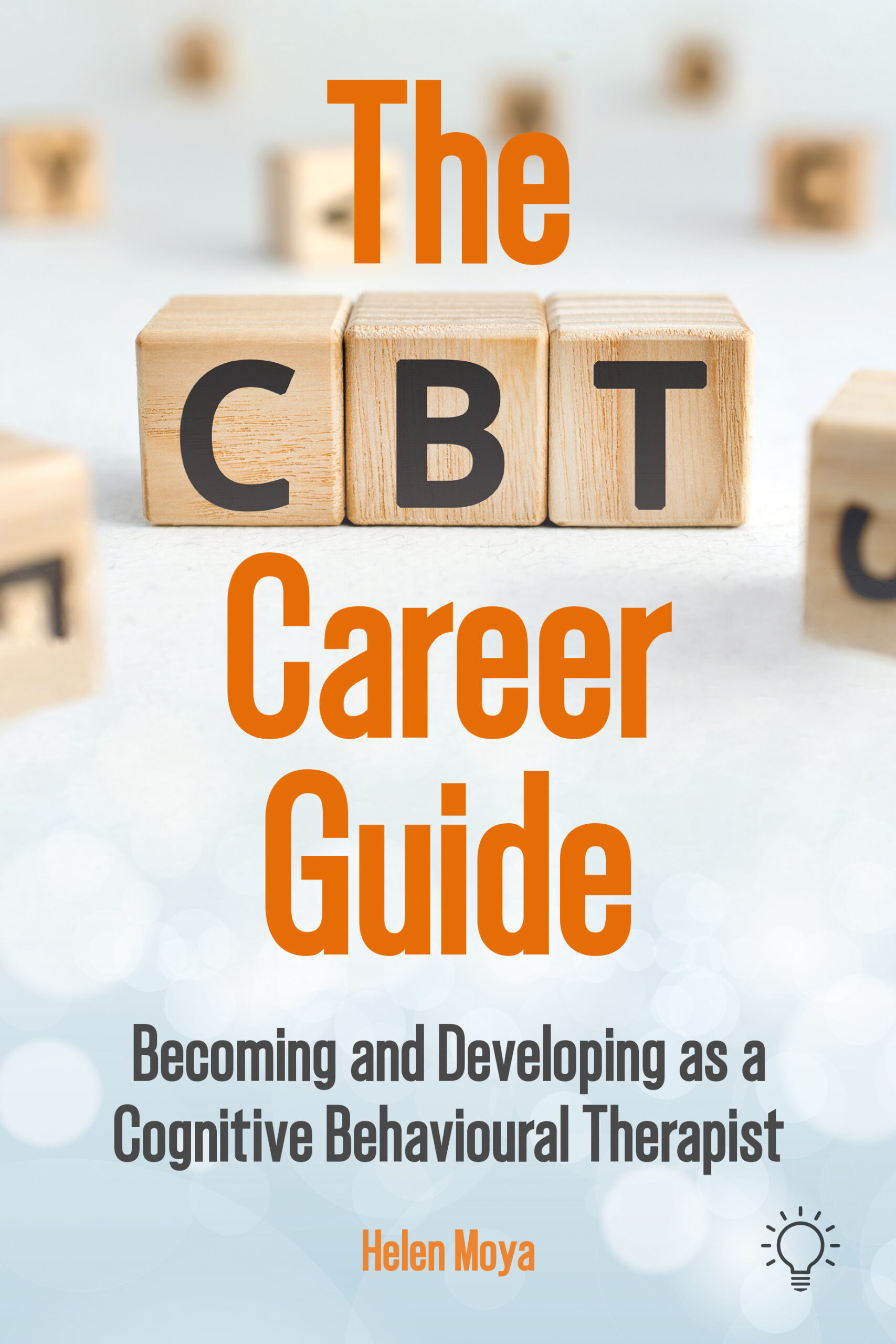
Despite the popularity of CBT, and the fact that it takes on average eight years to become accredited, there is a lack of clear, consistent career guidance. This can lead to confusion and misguided choices, adding years to the journey or causing people to feel stuck. Tackling this information shortage, The CBT Career Guide offers an overview of the various pathways and specific requirements regarding courses of study, and the relevant clinical experience needed to enter training. Following an introduction, the book is organized into three sections.
Section 1 (‘Attract’) takes a broad look at the pathways to and requirements for becoming a CBT therapist and offers advice on preparing for training and interviews, including how to craft applications to increase the chances of selection.
Section 2 (‘Retain’) focuses on how to maintain and develop skills and knowledge to meet accreditation standards. Finally,
Section 3 (‘Develop’) considers the career pathways that are available once accredited as a CBT therapist.
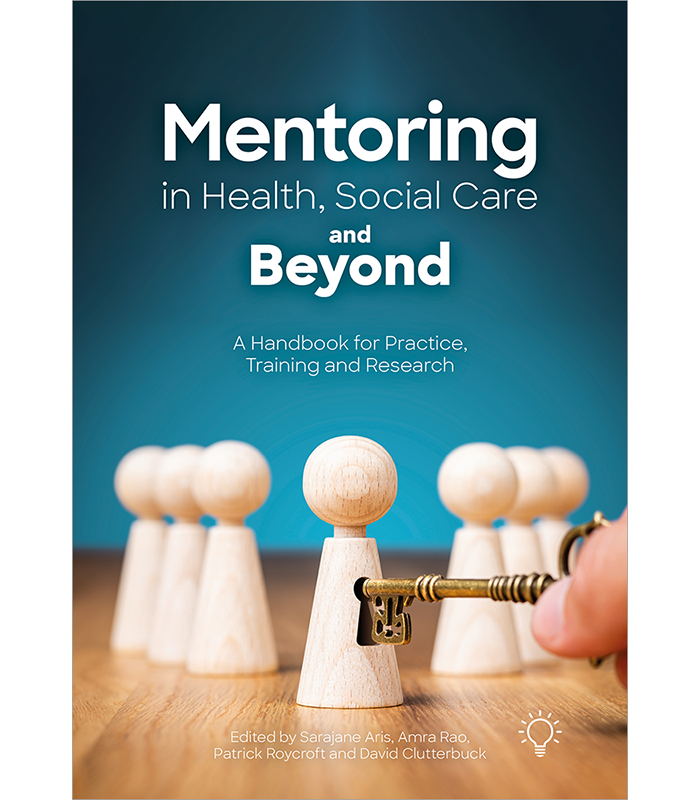
Drawing on the most current and relevant research, this pioneering volume brings together the perspectives and experience of more than sixty leading practitioners and academics in a comprehensive yet practical guide to mentoring in health and social care.
It includes consideration of the contemporary context, details of relevant demonstration projects and interventions, key points and pitfalls for managers, leaders, trainers, mentors and mentees, practical examples and resources to set up new mentoring services, and current issues of relevance for mentoring – with practice pointers and opportunities for reflection throughout. The book also pays due attention to the impact of the COVID-19 pandemic, with coverage of spiritual and ecological issues and the mentoring needs linked to them.
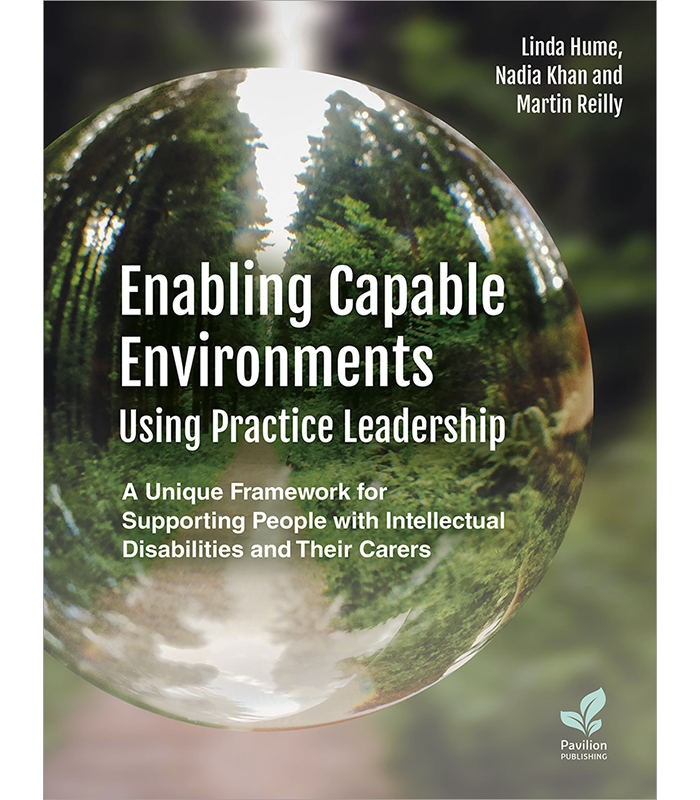
Designed to be used both by facilitators and as a self-study guide for those who support people with intellectual disabilities, Enabling Capable Environments will provide direction to enhance practitioners’ skills and develop a more collaborative, hands-on leadership approach. The authors set out a unique framework that outlines the critical approaches that underpin enabling capable environments and how these can be implemented successfully.
This handbook promotes a perspective shift within learning disability services that aims to move the focus of professional support away from diagnosis and identifying what someone cannot do, towards assessing and supporting strengths and providing opportunities and resources to enhance people’s quality of life.
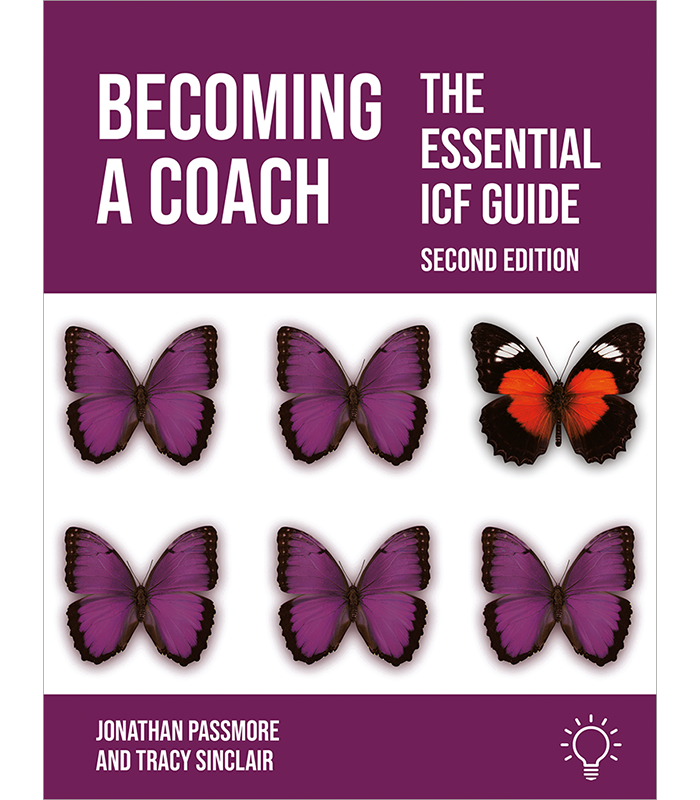
How can you become the very best coach you can be? Becoming a Coach provides all the knowledge and inspiration needed to reflect on who you are, what you do, and how you can develop as a professional coach. Drawing on the latest ICF coach competence framework and up-to-date coaching research, the authors set out a wide range of contemporary coaching models and techniques and show how they can be integrated in order to deliver an evidence-based coaching service to the very highest professional standards.
Deepening readers’ understanding of core competencies and broadening thinking on how to apply them in practice, Becoming a Coach is the is the only book to align directly with the world’s most widely accepted and up-to-date professional coaching guidance. As such, it is a perfect foundational resource for any coaching practice, and the ideal textbook for any coaching education programme.
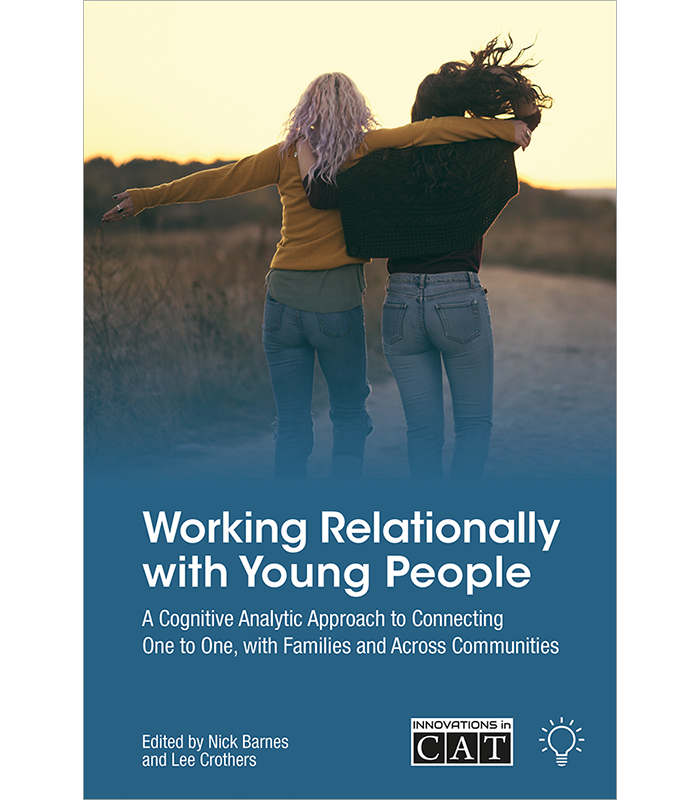
This book explores the growing interest in and demand for relational mental health support for young people, parents, families and communities. Relational approaches place an emphasis on authentic and mutual connections; the therapist is not an aloof ‘expert’, but an engaged human being who is an active part of the process, and who draws on subjective experiences and passions in the service of the client. Through eighteen contributed chapters and four short case studies, Working Relationallywith Young People explores the theory, practice and delivery of Cognitive Analytic Therapy (CAT) and its relational mindset in youth mental health and wellbeing, and makes the case for prioritising a relational way of working across all services and support for young people – whether they be within children and young people’s mental health, or in other contexts such as education, social care or youth work.
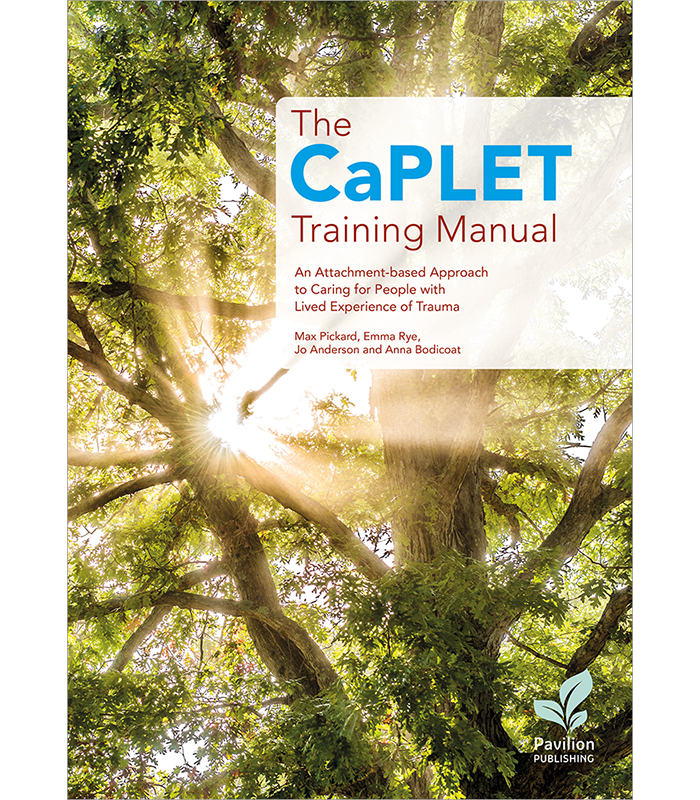
There is increased interest in trauma informed care in the UK and worldwide, however so far there are limited resources for professionals providing training to help health and social care staff (who may have had very little training in attachment theory) to provide care which is trauma informed at an emotional as well as practical level. The CaPLET Training Manual will guide facilitators in making the core psychodynamic concepts – which are relevant to providing trauma-informed care – accessible to health and social care staff. For professionals with some understanding of trauma-informed care, providing guidance on how to run a training course for care staff and clinicians who work with people who are survivors of trauma.
In addition, it will enable facilitators to help staff better understand the people they care for in the context of their histories of trauma and develop insight into the ways in which attending to their own emotional and behavioural responses can help them provide better care.
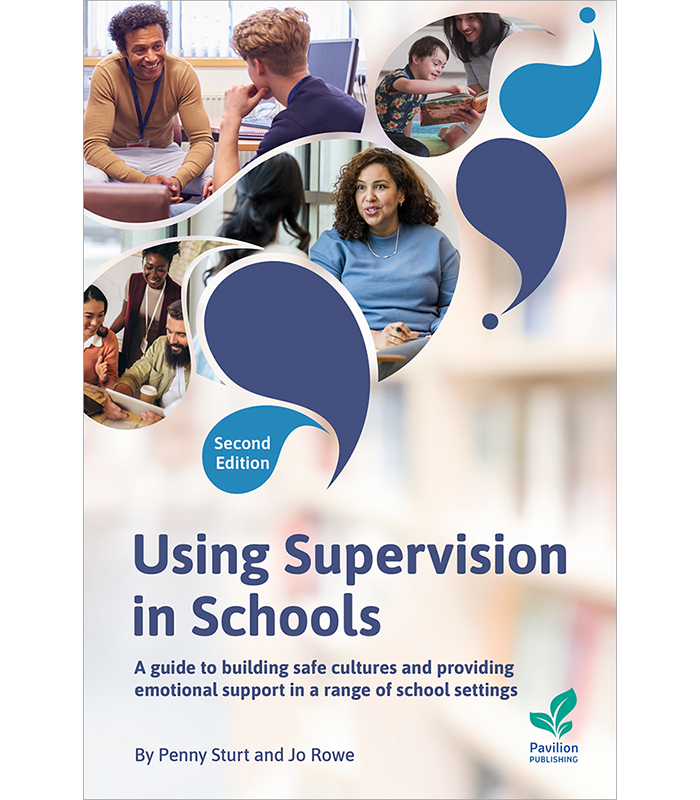
As a universal service, education is expected to safeguard and meet the needs of all pupils, some of whom may have complex issues, and also to offer emotional support for children and their families. There are increasing pressures and changes facing schools and teachers, accelerated by the impact of the pandemic; however, unlike other stressful professions, there is no accepted framework for supporting school staff to deal with the personal and emotional rigours of their role. Discover how using supervision in schools can support staff well-being and enhance safeguarding efforts with our comprehensive guidance and updated insights.
Supervision offers a solution – an effective method of supporting staff with safeguarding, and with the broader emotional demands of their work. Based on direct experience and presenting an Integrated Model of Supervision (IMS), this book offers guidance for instigating supervision in school settings. The Second Edition is revised throughout, with three new chapters and all chapters updated to incorporate contemporary examples.
We use cookies on our website. One group is essential for our business and another provides third party services. Click OK to accept all cookies, Opt-out to refuse services cookies, or visit our Cookie Policy.