Female genital mutilation (FGM) is a healthcare and safeguarding issue that is currently high up on the government’s agenda and a major priority for NHS England.
With concerning gaps in knowledge in the field of female genital mutilation among healthcare professionals, this handbook aims to address these including diagnosis, implications and management of FGM cases, particularly in relation to national guidance, legal aspects, safeguarding issues and resources, including support groups.
Professionals within the social care sector are required to undertake Continuous Professional Development (CPD) by the Health and Care Professions Council (HCPC). Those who use this resource will be able to gain CPD points.
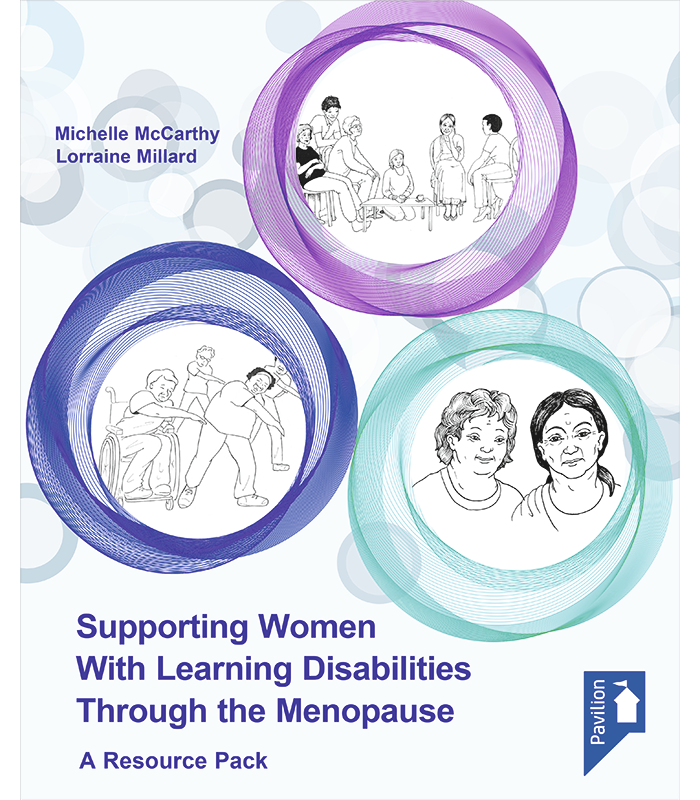
This flexible new edition of our best-selling training pack provides a valuable resource for working with individuals and groups, as well as for staff training, on the vital topic of menopause. It provides thoroughly piloted and comprehensive information and in addition to how women with learning disabilities can be affected and how they might best be supported. Training on the menopause within services is very rare, therefore the exercises in this pack are designed to encourage those with or without specialist knowledge to run training for other staff, and supportive work with service users.
The group work option gives women with learning disabilities the opportunity to come together and recognise that the menopause is normal part of life, something that happens to all women. As well as learning about the menopause it can foster a sense of sharing and connection. As a resource for individual work, the materials provide an opportunity to give information and discuss personal subjects in depth, with the aid of pictures and film.
The resource also contains a variety of staff training exercises, with supporting materials, which may help prepare staff for this work. They are designed to help staff recognise when women with learning disabilities might be going through the menopause and how they might help. The training also enables staff to examine their own and other people’s attitudes.
The staff training materials, leaflets and pictures can all be downloaded here.
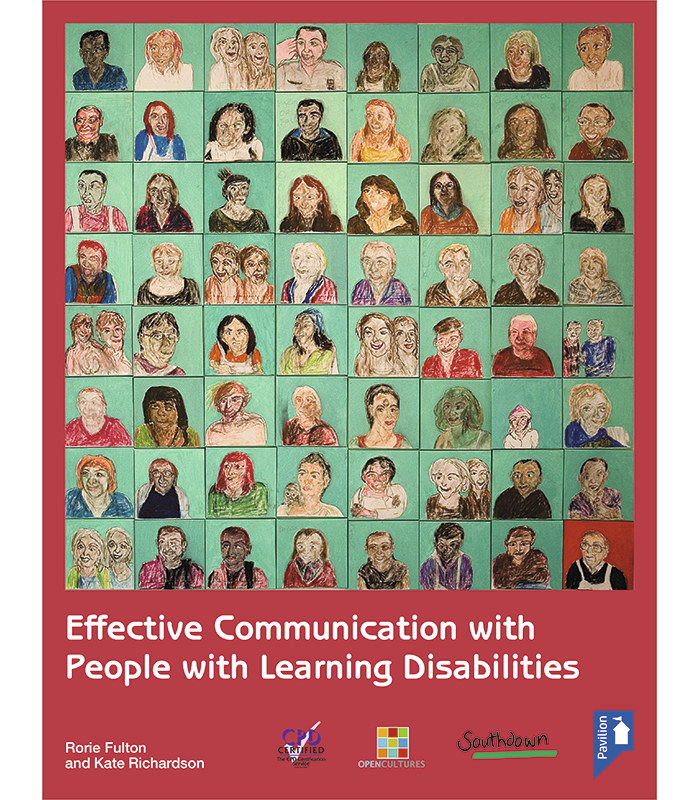
All of us depend on effective communication in order to be able to live our lives to the full. For people with learning disabilities, effective communication is especially important because they often rely on the support of others to live their lives. It is therefore essential that family members, carers, support workers and health and social care practitioners are able to communicate effectively with the individuals whom they support. That way, people with learning disabilities have the best possible chance of securing the rights, inclusion, choice and independence to which they, like anyone else, are entitled.
This pack provides a wide-ranging training programme to cover the concepts and techniques which underpin and make possible effective communication with people with learning disabilities. The training programme comprises four sessions that can be delivered together as a day’s training or, alternatively, as stand-alone sessions delivered over a series of team meetings or in-house training days.
The pack sets out a Total Communication approach and training participants are introduced to an extensive selection of communication techniques that can be used in addition to the spoken word and adapted according to the communication skills of the individual in question. In this way, as well as having the opportunity to develop their communication skills, training participants are given a ‘taster’ of a range of communication concepts and techniques that can be used to facilitate effective communication with people with learning disabilities. Interactive activities and exercises allow participants to explore the various communication techniques and to discuss and reflect upon ways of incorporating them into their work.
The pack provides a broad range of perspectives on communicating with people with learning disabilities and enables training participants to develop a deeper understanding of the communication challenges faced by individuals and the skills and techniques which can be used to overcome them.
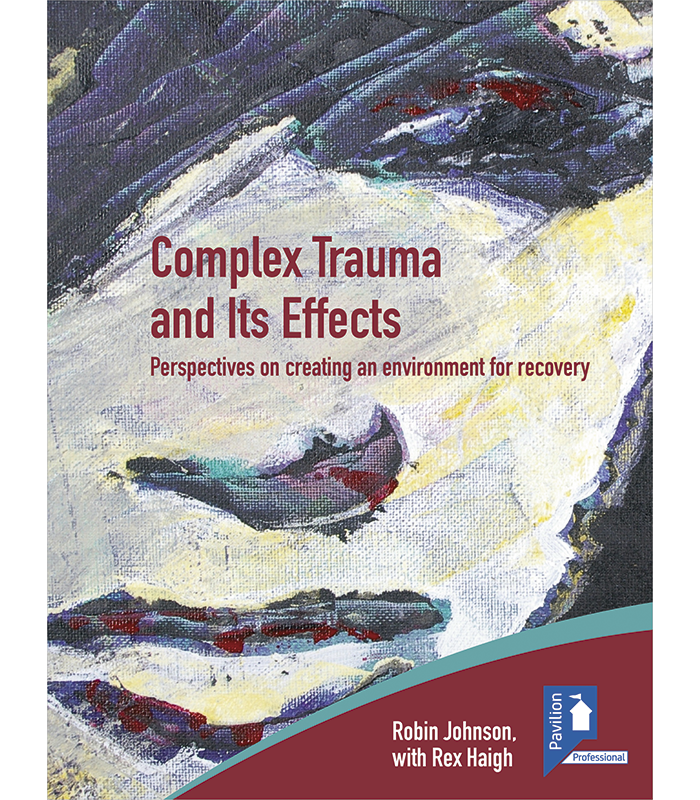
A ground breaking handbook, Complex Trauma and Its Effects sees two leading experts in community mental health present a collection of essays, papers, interviews and articles that explore the nature and extent of psychological and emotional trauma and its impact on people’s lives.
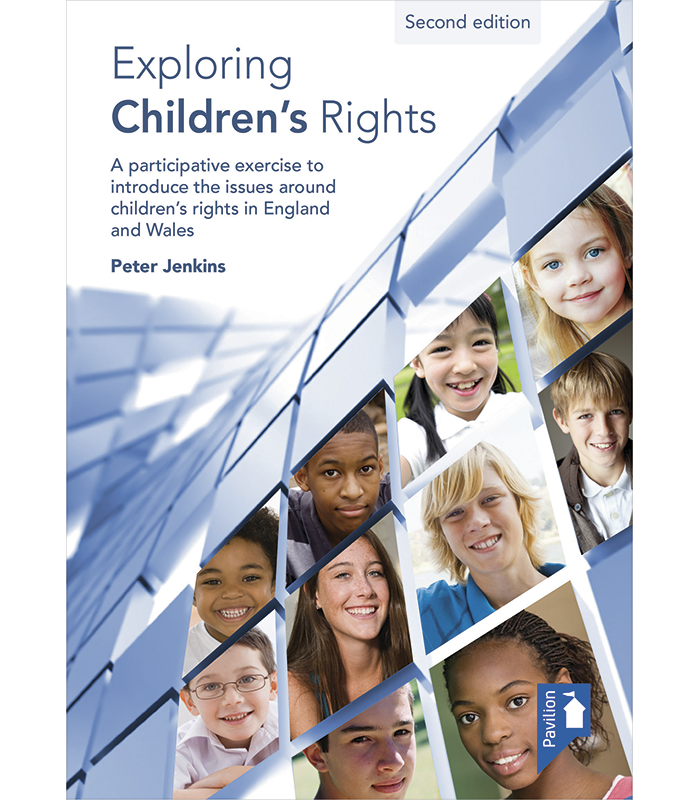
Exploring Children’s Rights introduces key ideas about children’s rights in England and Wales by means of a participative activity, or exercise, that can be used for groups or individuals. It has been created using the author’s own experience of leading training sessions on children’s rights.
This extensively revised second edition equips a group facilitator to lead sessions in:
types of children’s rights
power issues in relation to children’s rights
the historical development of children’s rights
current and past law on children’s rights.
It offers three versions of the exercise: a group discussion version (1 hour 20 mins), a case histories version (1 hour 50 mins) and an individual activity (1 hour).
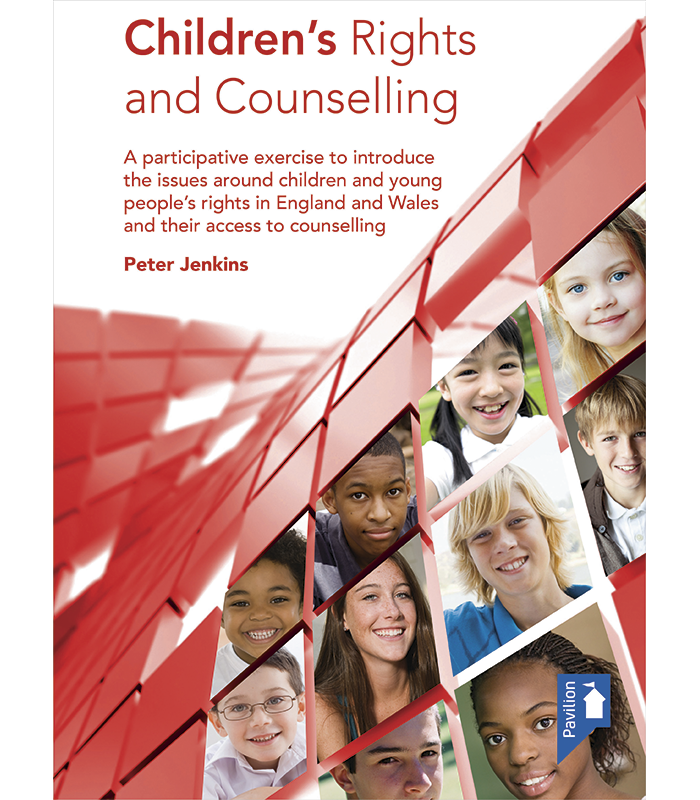
Children’s Rights and Counselling introduces key ideas about the rights of children and young people to access counselling in a range of settings. It identifies key rights held by children and young people in England and Wales to confidentiality and to access therapy alongside court proceedings. It links these rights to crucial ethical values and principles held by therapists, such as respect for client welfare, participation and autonomy.
This training pack equips a group facilitator to lead sessions in:
Types of children’s rights to counselling
Power issues in relation to children’s rights to counselling
The historical development of children’s rights to counselling
Current law on children’s rights to counselling.
Children’s Rights and Counselling can be used as a stand-alone training resource, or can follow on with preparatory training for participants on children’s rights, delivered using Exploring Children’s Rights. The latter covers important developments such as the Children Act (1989), the United Nations Convention on the Rights of the Child (CRC) (1989) and the Human Rights Act (1998).
The training offers two versions of the exercise: a group activity version (runs for 1 hour 30mins) and an individual/pair activity (1 hour 30 mins).
The training will be of interest to anyone who wishes to introduce the complex issue of children’s rights and access to counselling in an informative and challenging way. It is particularly relevant to teachers and trainers in the fields of education, health, social work, counselling, psychotherapy and counselling psychology, but is designed for use by anyone who works with children and young people and those with a real concern for promoting their rights, particularly with regard to counselling.
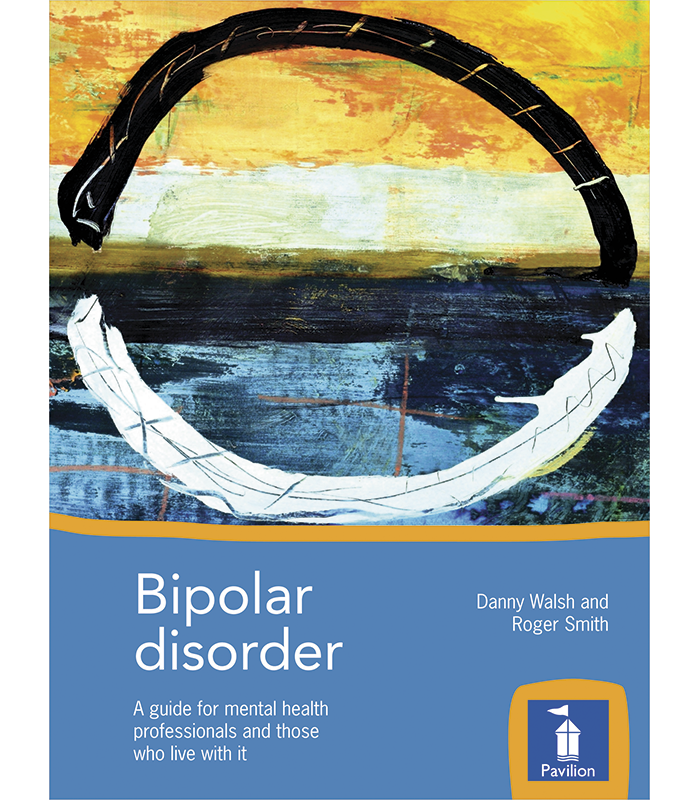
This handbook brings together the knowledge and experience of both health professionals and those with bipolar disorder to create a balanced, informative and very practical guide to good practice in understanding and managing the disorder.
The 36 chapters cover a wide range of subjects, including diet, supporting the family, counselling, warning signs and relapse prevention, to develop the reader’s understanding of many aspects of the disorder. The chapters also contain case studies, exercises and consideration points for those who want to expand on their reading.
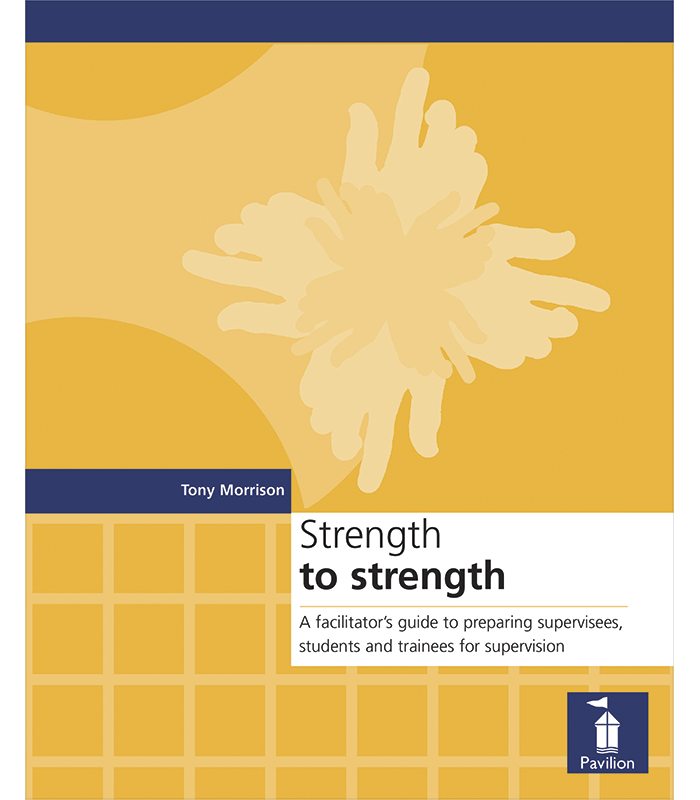
Strength to Strength is a unique resource that provides a tool for supervisors, trainers and student teachers to prepare practitioners for supervision. Too often, attention focuses solely on the training of supervisors, resulting in only one side of the supervision partnership being prepared.
This innovative training tool redresses the imbalance by preparing supervisees to act as informed and active partners, in order to maximise the benefits of the supervision process. Designed to be used flexibly for either work-site development sessions or by trainers for off-site programmes, Strength to Strength fills a major gap in the workforce development armoury.
Professionals within the social care sector are required to undertake Continuous Professional Development (CPD) by the Health and Care Professions Council (HCPC). Those who use this resource will be able to gain CPD points.
Sex, Personal Relationships and the Law for Adults with Learning Disabilities explains how law and policy in England and Wales should inform support for adults with learning disabilities in matters related to sex and relationships. Drawing on his extensive experience, David Thompson explains how legislation provides a critical structure to support services’ decision making and how to lawfully and ethically navigate the many complex issues involved.
This informative and practical guide covers how to decide if a person with learning disabilities can consent to a sexual relationship, and what response is required depending on the outcome of this assessment under current law. The author addresses the tension between supporting relationships and trying to prevent and respond to sexual abuse. Consent issues related to marriage, civil partnerships and decisions about contraception, sterilisation and pregnancy are also explored.
The book focuses on the law in England and Wales as these countries share the same legislation regarding the capacity to consent to sex. The Sexual Offences Act (2003) and the Mental Capacity Act (2005) in particular are covered in depth. The author explores key cases that have gone to court and asks how the judgements from these cases need to inform responses to people with learning disabilities in similar situations. Case studies are also included throughout, providing thought-provoking examples of the powerful influence law, policy and practice have on the lives of people with learning disabilities.
We use cookies on our website. One group is essential for our business and another provides third party services. Click OK to accept all cookies, Opt-out to refuse services cookies, or visit our Cookie Policy.