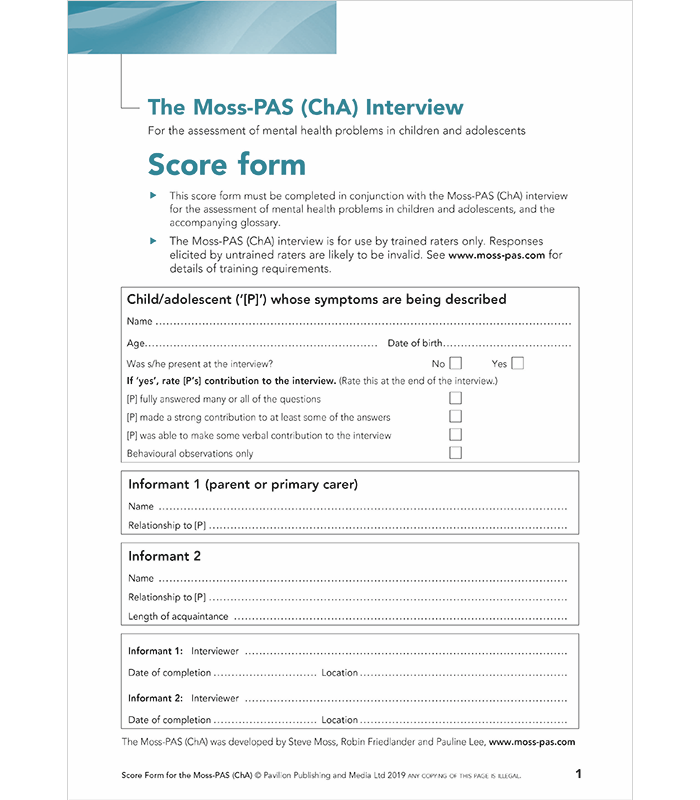
The Moss-PAS (ChA) Interview Score Forms are intended to be used for recording the ratings and other details of the MPAS-ChA Handbook.
The Score Form enables two different clinical episodes to be rated on the same form. This is important if the person has a fluctuating mood disorder, or if it is otherwise suspected that the individual has changed significantly from one time period to another.
This score form must be completed in conjunction with the The Moss-PAS (ChA), and the accompanying glossary.
The Moss-PAS (ChA) and the Moss-PAS (ChA) Interview Score Forms (Formerly known as The ChA-PAS Interview) have both been fully revised and are now compliant with both ICD-11 and DSM-5.
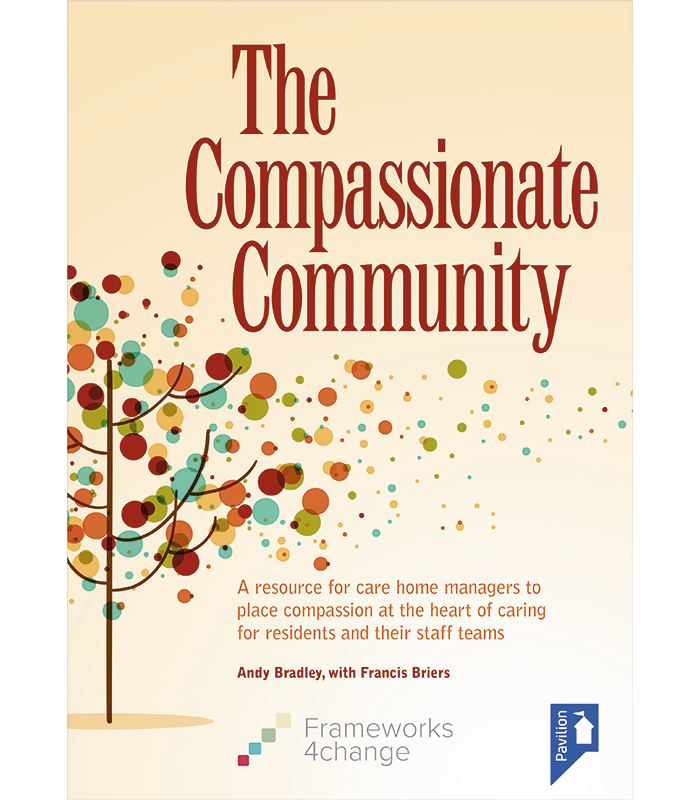
This manual is designed to shift the mentality of those who work in care and nursing homes in order to emphasise a more compassionate way of caring for both the residents of the home and the staff who work there. This involves first learning to develop a sense of self-compassion, and then allowing this to permeate to all aspects of the home.
Part of the training contained is designed for managers, to alter their approach to their work and their teams, to make them more compassionate ‘bosses’, more self-compassionate and more able to build a lasting culture of care that will remain when they have moved into a different role elsewhere.
The second part of the training is designed to be run with staff members, to enhance their compassion and the quality of the care they provide.
It is therefore both a ‘self-help’ manual in one sense, and a training guide for staff development.
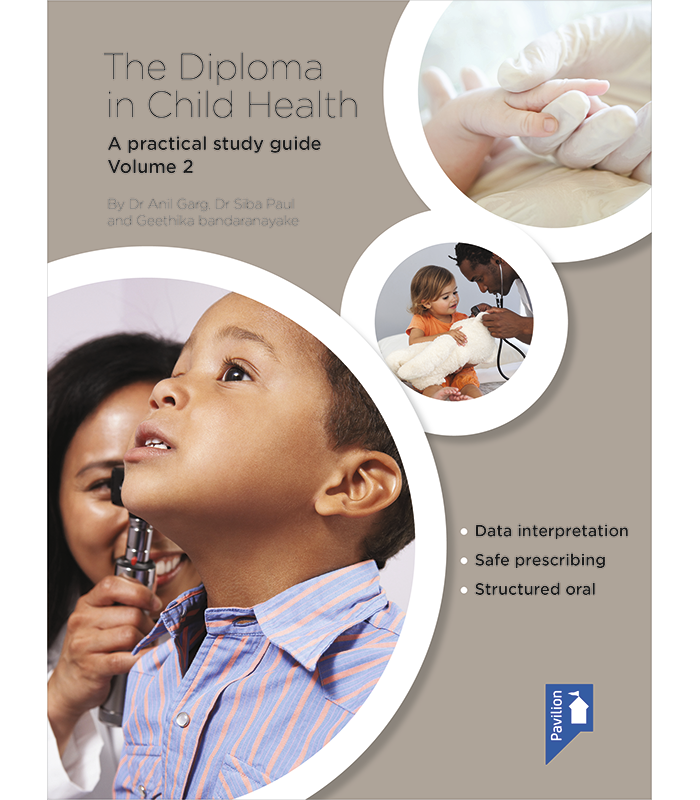
The Royal College of Paediatrics and Child Health’s (RCPCH) Diploma in Child Health is intended to recognise a doctor’s special knowledge and experience in the medical care of children, and to contribute to their continued professional development.
This practical study guide, written by a member of the RCPCH and a senior examiner for the diploma, is essential reading for anyone taking the examination and provide advice and step-by-step guidance to steer postgraduate trainees towards success.
Prepare for the Child Health Volume 2 exam with our expert study guide. Driven by RCPCH standards, an essential reading for anyone taking the examination and provide advice and step-by-step guidance to steer postgraduate trainees towards success.
The Royal College of Paediatrics and Child Health’s (RCPCH) Diploma in Child Health is intended to recognise a doctor’s special knowledge and experience in the medical care of children, and to contribute to their continued professional development.
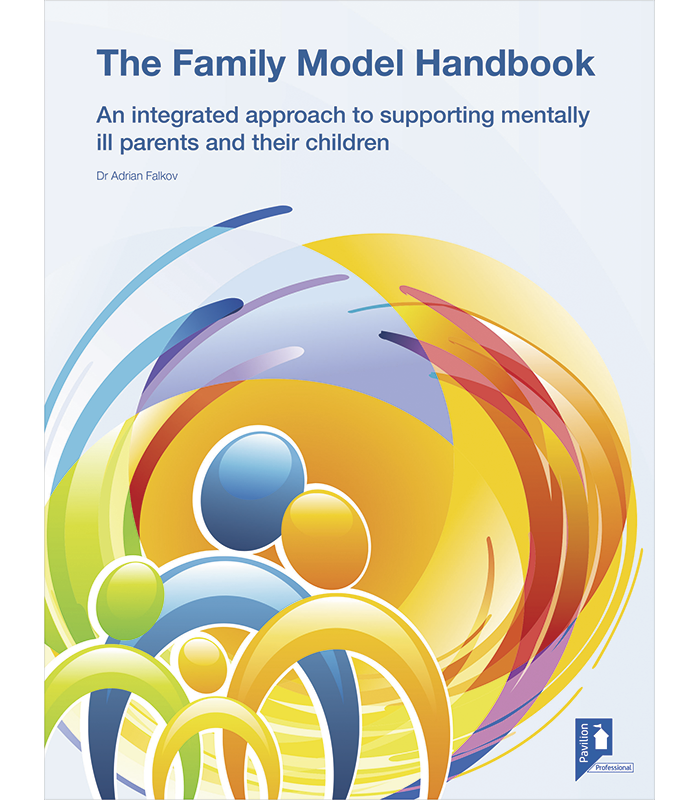
The Family Model was a core component of the Crossing Bridges programme, and its aim was to aid a greater understanding of the complex interplay between mental ill health in parents, the development and mental health of their children, and the relationships within family units affected by mental ill health.
The model has proved extremely durable, and in this handbook the Family Model has been extensively revised and refined in the light of developments in the field over the last 10 years. Many features have been retained whilst enhancements have been added to ensure contemporary relevance in an ever-growing field. This enhanced Family Model provides the conceptual framework to support clinical approaches to family focused practice.
Additional principles have been added, including a service dimension to ensure that service provision is explicitly incorporated into thinking and practice, and a culture and community component to ensure that broader factors influencing individuals and impacting on family life are also addressed.
The Family Model: An integrated approach to supporting mentally ill parents and their children comes with a fully interactive CD-ROM to aid a greater understanding of the Family Model and to explain in a visually engaging way the principles of this approach to working with families affected by mental ill health.
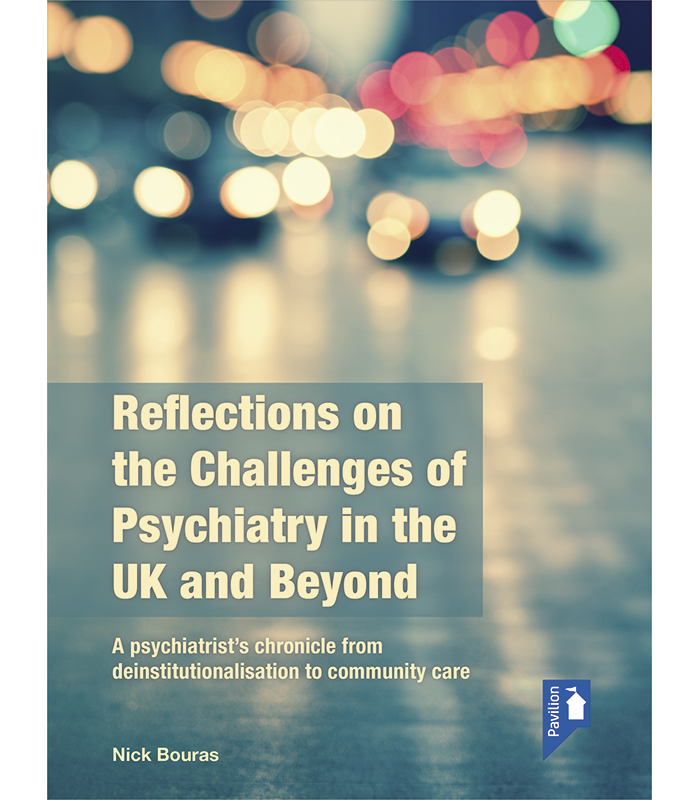
Reflections on the Challenges of Psychiatry in the UK and Beyond is a personal journey through British psychiatry, the NHS and academic life for over 40 years. It describes personal experience as perceived by a postgraduate student, practicing clinician, teacher, trainer, researcher and health service manager.
This book presents a personal historical chronicle and a panoramic view of some of the most significant milestones of modern psychiatry. The process of developing mental health services including those for people with intellectual disabilities through a maze of policies, sometimes contradictory, but also with strong ideological, sociological and political encounters proved to be a foremost challenge.
The author examines the complex connections of these processes and he succeeds in giving a comprehensive picture of the mental health map in over four decades. Successes and disappointments are featured throughout Reflections and Challenges of Psychiatry in the UK and Beyond through memories, archives and personal statements.
‘Intellectual autobiographies contribute greatly to historical understanding. Good ones are also pleasurable to read. Reflections and Challenges of Psychiatry in the UK and Beyond captures a period of change in psychiatry. The great and the good are depicted strutting on the metropolitan stage showing the rest of us how things psychiatric should be done. Natural modesty has impeded Professor Nick Bouras from talking about the crucial role he himself played in the changes he describes.’
(Professor G.E. Berrios, Cambridge University)
‘There have been dramatic changes in the way mental health services are delivered in England over recent decades. Professor Nick Bouras gives a personal account of the obstacles and challenges he faced in developing, researching and implementing these; in particular in the field of intellectual disabilities. He records the successes and frustrations of working in a system that does not always have a shared vision. His tenacity and enthusiasm is an example to us all and will encourage and inspire those facing similar issues today.’
(Dr Geraldine Holt, Consultant Psychiatrist in Learning Disabilities, London)
‘An important study of a much neglected field, this exploration of the psychiatry of intellectual disabilities is revealing not only as a personal history but also as an analysis of its clinical development, research challenges and its place in the politics of health. Professor Nick Bouras is particularly well qualified to provide this insightful and evocative account.’
(Professor Edgar Jones, Institute of Psychiatry Psychology & Neuroscience, King’s College London)
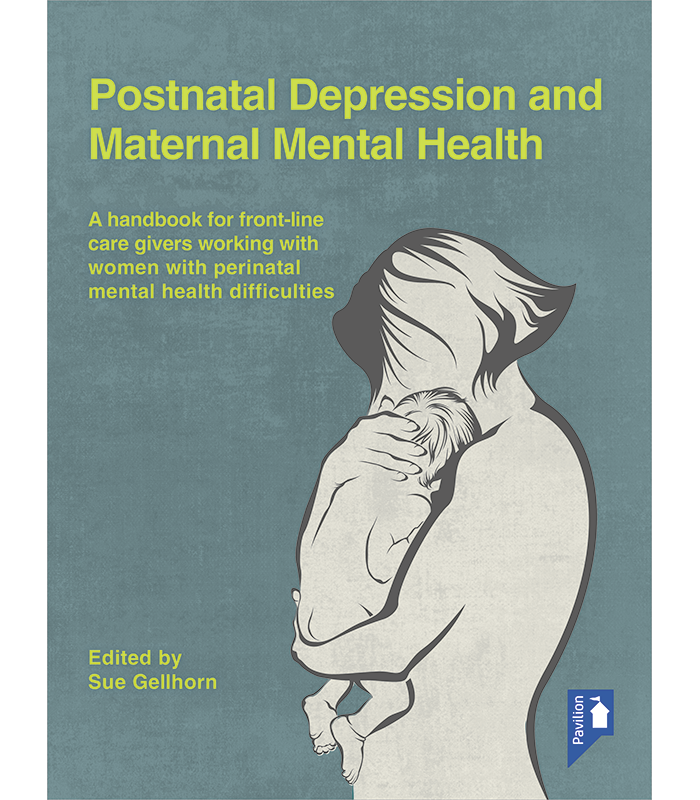
Postnatal Depression and Maternal Mental Health: A handbook for frontline caregivers working with women with perinatal mental health difficulties is an accessible handbook that is intended to support midwives, health visitors, community workers and frontline healthcare providers in their detection and assessment of postnatal depression and maternal mental health.
Midwives, health visitors, community workers and frontline healthcare providers for pregnant women, and mothers and babies in the first postnatal year, require better information on the kinds of help that women need, and resources they can use to support discussions about difficult and complex feelings.
It will provide readers with a good understanding of postnatal depression and the range of perinatal mental health difficulties they may come across in universal services for mental illness in pregnant and postnatal women. The handbook will support them in their detection and assessment of these difficulties in the women on their caseload.
Postnatal Depression and Maternal Mental Health will enable you to:
Identify and assess postnatal depression in mothers
Facilitate sensitive conversations about mental health with more confidence
Provide early support to both mother and baby to reduce the need for future professional intervention
Parental Mental Health and Child Welfare Work Volume 2 is the second volume in a series that explores the mental health of parents and its impact on child welfare. It acts as a yearly update on key research, policy developments and practice innovations, both in the UK and around the world.
This publication is a unique opportunity to explore and share ideas about ‘success’ and what ‘leads to success’ from the different perspective of parents, children and the professionals who work with them. Much like its predecessor, it draws together a range of experts in the field – researchers, policy makers, practitioners and service users – to identify both the opportunities and challenges, as well as to explore what works in which contexts, for whom and why.
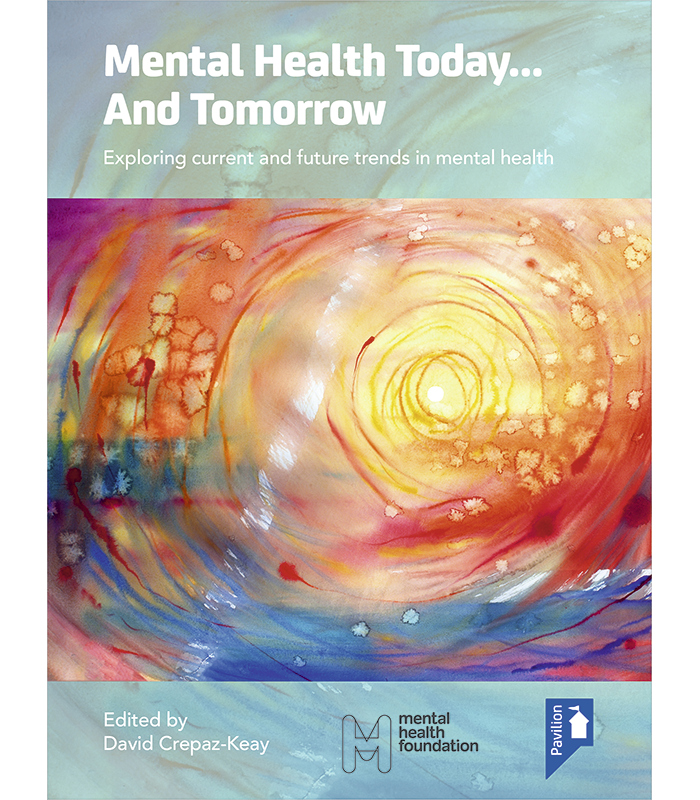
Mental Health Today… and Tomorrow provides a comparative view of how things are done around the UK and beyond, explores the role of language used in mental health care and the use of technology, and offers some predictions for the future of services.
This handbook explores the whole lifespan, with chapters examining early interventions and mental health and wellbeing within school settings, mental health in the workplace, and finally the issues faced as people enter later life.
Mental Health Today… and Tomorrow has been written in partnership with the Mental Health Foundation.
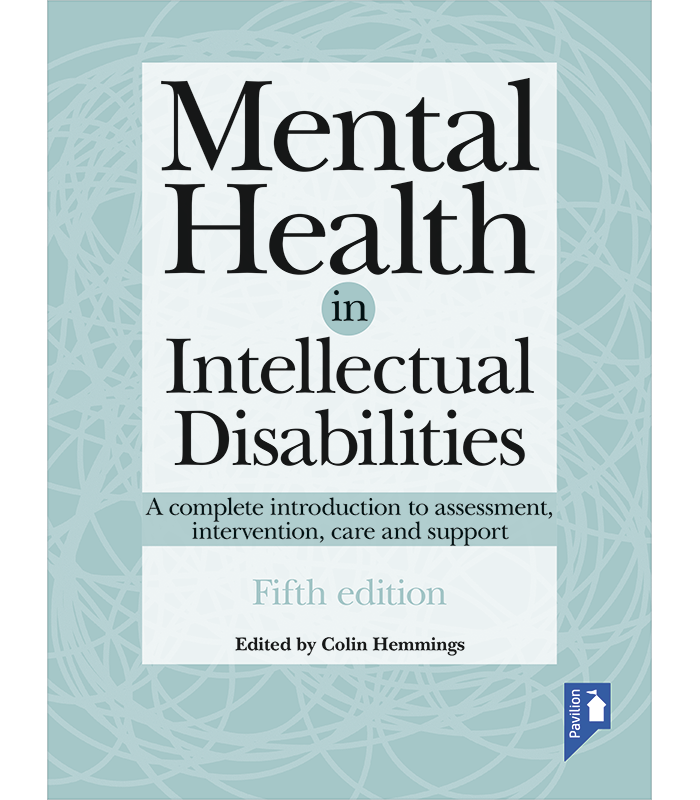
Now in its 5th edition, Mental Health in Intellectual Disabilities continues to address the need for a handbook which, while well-grounded in research and latest clinical practice, is essentially non-academic and accessible for staff occupying many roles. For example support workers and managers in learning disability service settings, GPs, psychologists, psychiatrists, community learning disability teams and other professionals who may find themselves supporting a person with an intellectual disability from time to time, as well as students of mental health and intellectual disability.
The new edition represents a complete revision and updating, aiming to address key knowledge requirements and concerns of people working in the field and provide opportunities for reflection and continuing professional development. The content is illustrated by case studies to help the reader explore how best to address mental health issues in practice.
Free UK Postage on all orders over £20 in UK - sign up to our newsletter for 10% off your first order. Dismiss
We use cookies on our website. One group is essential for our business and another provides third party services. Click OK to accept all cookies, Opt-out to refuse services cookies, or visit our Cookie Policy.