Mental Health in Intellectual Disabilities (5th Edition)

Cover of the book - Mental Health in Intellectual Disabilities (5th Edition) - A complete introduction to assessment, intervention, care and support

Now in its 5th edition, Mental Health in Intellectual Disabilities continues to address the need for a handbook which, while well-grounded in research and latest clinical practice, is essentially non-academic and accessible for staff occupying many roles. For example support workers and managers in learning disability service settings, GPs, psychologists, psychiatrists, community learning disability teams and other professionals who may find themselves supporting a person with an intellectual disability from time to time, as well as students of mental health and intellectual disability.

The new edition represents a complete revision and updating, aiming to address key knowledge requirements and concerns of people working in the field and provide opportunities for reflection and continuing professional development. The content is illustrated by case studies to help the reader explore how best to address mental health issues in practice.

Learning Disability Today (4th Edition)

Cover of the book - Learning Disability Today (4th Edition) - The essentail guide for support staff, service providers, families and students

Gain valuable knowledge from Learning Disability Today, it provides an accessible and thought-provoking introduction to some of the key issues in the lives of people with learning disabilities and the practice of those who support them. A professional resource that bridges research, practice, and real-world support an essential guide.

Learning Disability Today was first published in 2007 to meet the need for a handbook which, while well-grounded in latest research and practice, was accessible for staff occupying many roles, such as support workers and managers in learning disability service settings, community learning disability teams and professionals who may find themselves supporting a person with an intellectual disability from time to time, families and voluntary supporters, as well as students of learning disability/intellectual disability. It has continued to be a highly successful title, and has been published in three previous editions over the past nine years.

This new, fourth edition is a complete revision, aiming to address key knowledge requirements, challenges and concerns for people working in the field and provide opportunities for reflection and continuing professional development. The content is illustrated throughout by case studies to help the reader explore how best to address issues in practice.

Hall of Mirrors – Shards of Clarity

Cover of the book - Hall of Mirrors – Shards of Clarity - Autism, neuroscience and finding a sense of self

Drawing on Phoebe Caldwell’s 40 years of experience and expert knowledge of autism and Intensive Interaction, Hall of Mirrors – Shards of Clarity marries recent neuroscience research evidence and practical approaches used in care to cover a wide range of vital subjects. Sense of self, confirmation, sensory issues, case studies and neuroscience findings are explored and weaved together in an inspired way which brings aims to bring theory into practice and vice versa, while at the same time listening to the voices of people with autism. The result is to allow everyone in the autism field to take a few steps forward with how they interact and support autistic people.

The journey in this book is one of exploration. Phoebe uses her experience of working with people on the autistic spectrum to consider what life is like for them and seeks to use new neuroscientific knowledge to help us understand better how this group of people see the world. In doing this she includes her own personal experiences, her years of work and most importantly the voices of people labelled as being on the autistic spectrum. This is an unusual synthesis and one which provides the reader with an accessible and interesting account and which makes a unique contribution to our understanding of each other.

In trying to understand better how people see the world Phoebe takes the reader on a personal journey into the recent research which is revealing more about how our brains work to create our own unique perceptions and view of the world. Her interest and passion inform the pages and provide the reader with an accessible account in which the practical implications of the research are clearly stated.

While many books now provide accounts of the lives of people labelled as being on the autistic spectrum, they are often written from one particular perspective. This book is interdisciplinary in its approach. As part of her journey Phoebe draws on history, psychology, neuroscience and personal narratives bringing them together through her own voice.

The Good PA Guide

Cover of the book - The Good PA Guide - Understanding the role of personal assistance to people with disabilities

Good PA Guide: understanding the role of personal assistance to people with disabilities. A practical guide addressing key learning around historical evolution. The role of the personal assistant (PA) is increasingly becoming the choice of care provision by people who need support in their own homes for themselves or for those they care for.

This convenient and accessible practical guide addresses the most frequently asked questions by both people who are thinking of working as, or are currently a PA. It addresses the issues that may arise in a very ‘person-centred’ relationship.

This guide offers an engaging, value for money and accessible way of self-learning about the historical evolution of the role, understanding issues around duty of care and safeguarding, health and safety, personal development as a personal assistant, and the kinds of things people want from their PA.

The Mental Capacity Act and People with Learning Disabilities

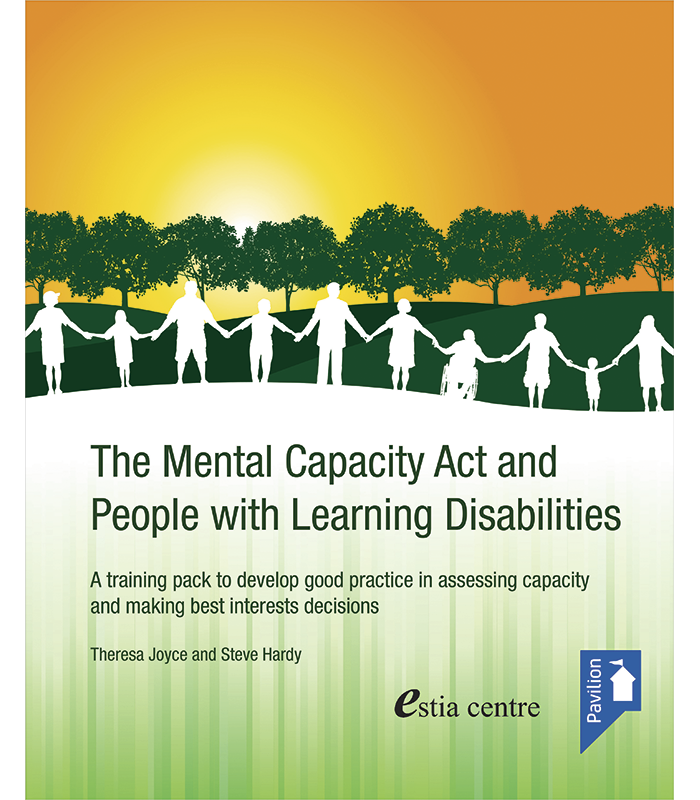
Cover of the book - The Mental Capacity Act and People with Learning Disabilities - A training pack to develop good practice in assessing capacity and making best interests decisions

The Mental Capacity Act and People with Learning Disabilities: A training pack to develop good practice in assessing capacity and making best interests decisions introduces the Mental Capacity Act, its principles and associated issues to all staff working with people with learning disabilities.

It covers defining and assessing capacity, making best interest decisions and Deprivation of Liberty Safeguards. The content of this pack will develop the skills and knowledge of staff in using the act in practice. It aims to empower people with learning disabilities to make their own decisions and ensure the rights of those who lack capacity are upheld.

Transference and Countertransference

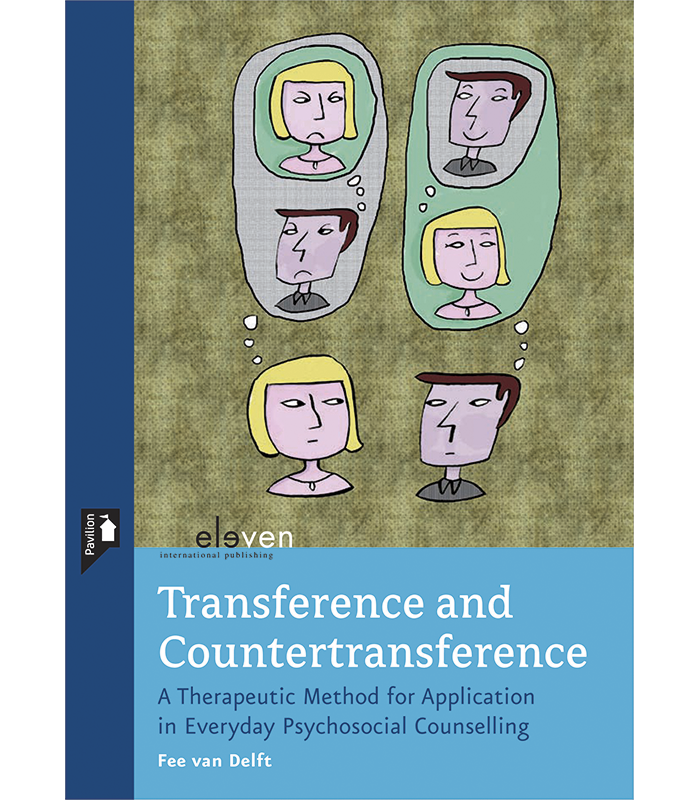
Cover of the book - Transference and Countertransference - A Therapeutic Method for Application in Everyday Psychosocial Counselling

Explore how transference and countertransference influence social care work, affecting interactions and communication with clients and supervisors. In this book, the therapeutic concepts of transference and countertransference, which were originally developed by Freud, are placed within the context of the daily practice of social careworkers and supervisors, in their contact with their clients.

The term transference refers to the way in which old feelings are ‘transferred’ unconsciously by the client onto the care worker or supervisor. Countertransference describes the opposite: the unconscious transference of feelings from the care worker or supervisor onto the client.

In transference and countertransference alike, we project our expectations about how we are seen onto the other person. We interpret for ourselves how we think the other sees us and feels about us. In doing this we run the risk of ‘getting it wrong’ and herein lies a potential source of miscommunication: in fact ‘getting it wrong’ can have a fundamental impact on the supervisory or coaching process and on the very quality of the interaction.

Understanding Autism

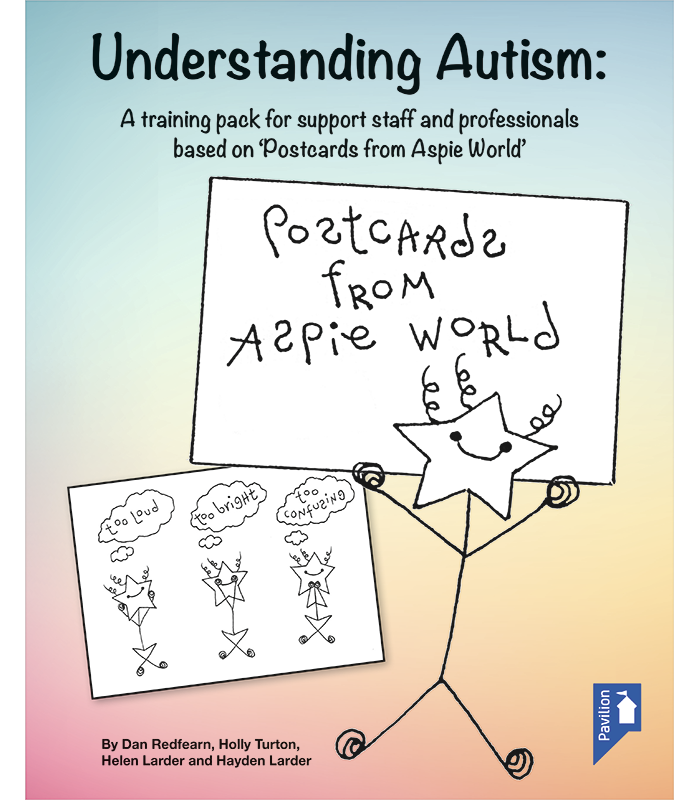
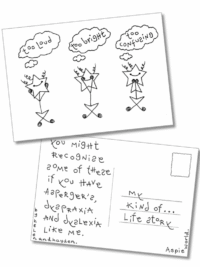
Cover of the book - Understanding Autism - A training pack for support staff and professionals based on 'Postcards from Aspire World'

Understanding Autism is based on the premise that learning from the experience of someone on the autistic spectrum can help those who support individuals to understand and to adapt their approach and therefore achieve better outcomes.

Have you ever wondered what a day in the life of a person with Asperger Syndrome looks like?

This delightful training resource is based on a series of postcards that offer an insight from moments in the life of a young woman with Asperger Syndrome.

The postcards that supplement this training pack (and are included within the resource) are showcased within PowerPoint slides and offer an introduction to key concepts, specific learning points, or explanations of activities to supplement learning.

The training pack meets the stated learning outcomes in the Skills for Care Autism Skills and Knowledge List (2011a) focusing particularly on the first three levels:

  • Underpinning values and attitudes
  • Basic awareness
  • Intermediate knowledge and skills

As such, it incorporates the requirements of the Qualifications and Credit Framework (QCF), with each session cross-referenced to the stated learning outcomes in the following autism specific knowledge units:

  • LD210 – introductory awareness of autistic spectrum conditions
  • LD310 – understand how to support individuals with autistic spectrum conditions
  • LD510 – promote good practice in the support of individuals with autistic spectrum conditions

Postcards from an Aspie World will also be available separately for families, groups, and individuals to use them for discussion about their own lives and situations.

Autism Spectrum Conditions

Cover of the book - Autism Spectrum Conditions

Published in association with the Estia Centre, this guide provides a comprehensive introduction to working with people who have autism spectrum conditions (ASC). The book addresses the needs of people with ASC across the lifespan and range of intellectual functioning. Though the content is grounded in evidence-based practice and recent research, the text is intended to be as practical as possible, offering insight into the everyday lives of people with ASC and how staff can best support them.

Available as an ebook

This title is also available in the following formats from other retailers:

Not sure which ebook format you need? View our ebook FAQs.

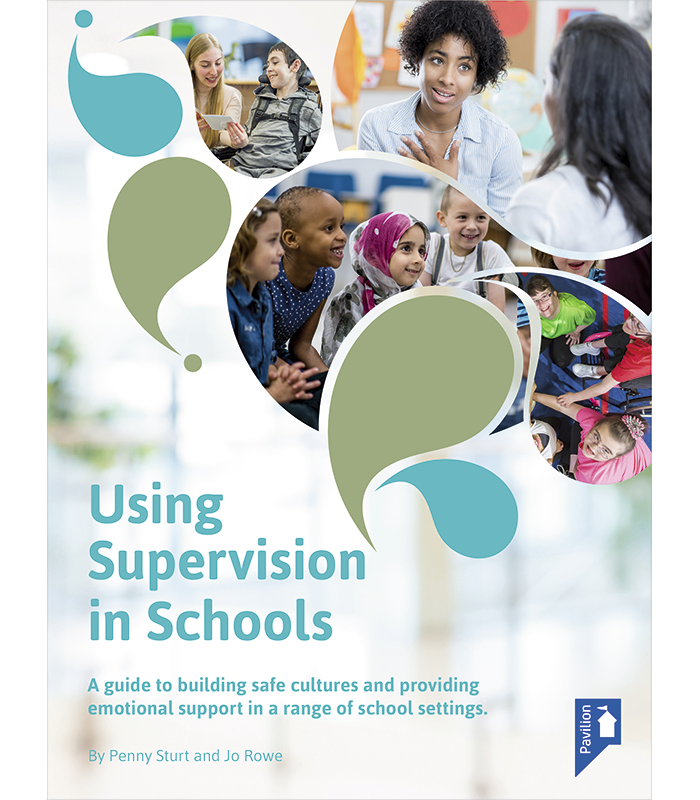
Using Supervision in Schools

Cover of the book - Using Supervision in Schools - A guide to building safe cultures and providing emotional support in a range of school settings

The illustrated book ‘Using supervision in schools‘ will be an invaluable guide to all schools, governing bodies, those trained in supervision, local authorities, national educational advisers and school academy trusts.

As a universal service, education is expected to safeguard and meet the needs of all children, some of whom may have complex issues, and to provide emotional support for children and their families. There are increasing pressures and changes facing schools and teachers across the UK, however unlike other similar stressful professions there is currently a lack of a structured framework to support school staff to deal with the rigours of their role. Supervision is a method of supporting staff with their safeguarding role and with the emotional demands of their work. This guide is designed to act as a consultative document in instigating supervision in schools using their feedback about what worked. It will also help relevant schools to comply with the statutory requirements of supervision in The Early Years Framework.

The integrated model of supervision is an effective model which can be used in a variety of school settings from Reception to Year 13. The first four chapters of the book unpick the core components of the model and the second part of the book addresses the issues arising in schools specifically, describing the supervision pilot the authors carried out across five schools with great success.

I have felt the benefit of my own supervision to be very valuable and would like to offer my thanks for this. It takes an informed leap of faith, followed by sustained commitment in order for schools to recognise the benefits longer term. Having done this as a school, I am very willing to advocate the benefits to others.’
(Designated Safeguarding Lead who took part in the pilot)

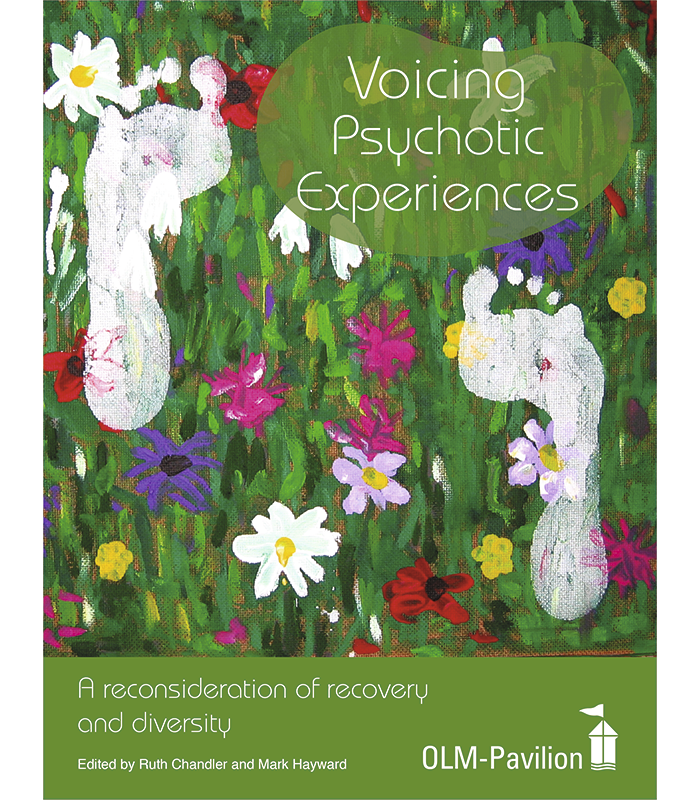
Voicing Psychotic Experiences

Cover of the book - Voicing Psychotic Experiences - A reconsideration of recovery and diversity

Discover real stories and lessons on voicing psychotic experiences to improve mental health care and support recovery strategies effectively. This handbook presents a series of recovery narratives with the aim of giving an insight into the process of recovery with each chapter clearly pulling out ‘lessons learnt’ for practice. The authors challenge the notion that one single model of recovery can be an adequate operational model and they instead offer a qualitative evidence base for understanding psychotic experience(s) as part of a diverse recovery spectrum.

Professionals within the social care sector are required to undertake Continuous Professional Development (CPD) by the Health and Care Professions Council (HCPC). Those who use this resource will be able to gain CPD points.

This book can be used in conjunction with the Psychosis Revisited training manual or independently as part of an evidence base for recovery as a broad spectrum of different meanings.

Receive a free copy of Voicing Caregiving Experiences with every purchase of this book.