Description
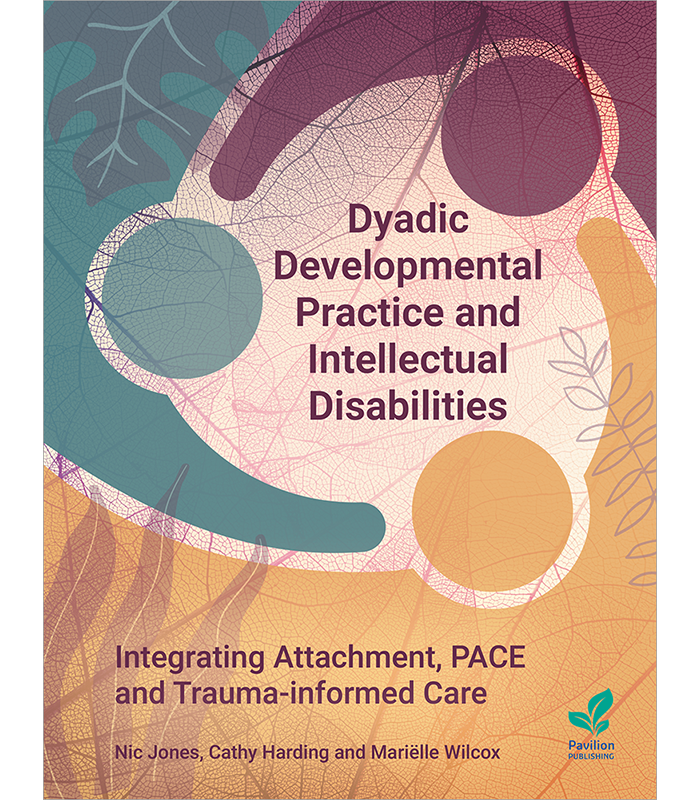
Dyadic Developmental Practice has evolved from a model of direct therapy (DDP) originally developed for children who are fostered or adopted. This therapeutic approach is tailored to building relationships and to help address past trauma experiences.
This book is first to offer DDP approaches and adaptations when supporting children and adults with an intellectual disability (ID).
The authors outline the key concepts and frameworks used in DDP, illustrated through a range of case studies and practice examples. The book considers all elements of DDP including psychotherapy, parenting practices and PACE (that stands for being Playful, Accepting, Curious and Empathetic about a person’s experience). The book acknowledges that the PBS framework is prevalent within services for people with ID and offers ways to draw on the DDP framework to enhance this work.
Dyadic Developmental Practice and Intellectual Disability is written in an accessible style for health workers and social care staff. The book includes key resources developed for future training and supervision.
The foreword has been written by Kim Golding, an active developer of DDP in the UK who was trained and mentored by Dan Hughes, the founder of DDP.
Content
Preface
Foreword by Kim Golding, an active developer of DDP in the UK
1: Introduction
2: What is DDP: a brief overview
3. Why explore DDP with people with ID
Therapeutic models underpinning DDP
4. Intersubjective connection
5. Attachment theory – an overview
6. Neuroscience: brain development and care
Key concepts of DDP with people with ID
7. PACE
8. Two hands of Care
9. Shame and shielding from shame
10. Blocked care
Key concepts of DDP with people with ID
7. PACE
8. Two hands of Care
9. Shame and shielding from shame
10. Blocked care
Authors
Nic Jones is a consultant clinical psychologist with 25 years’ experience in NHS LD and adoption services, and now works as an independent practitioner focusing on relational or attachment-trauma work. She is a DDP Practitioner, Consultant and a PACE trainer.
Cathy Harding is a consultant clinical psychologist who has worked for over 20 years in community, inpatient, and supported living services for adults with a learning disability. She actively seeks to integrate people’s histories into their care, ensuring they receive relational, trauma-informed support.
Mariëlle Wilcox is a clinical psychologist with 15 years’ experience in the NHS. She is the clinical lead of a new multi-disciplinary service for autistic children or those with a LD, integrating attachment and trauma-informed care into existing systemic and PBS frameworks to understand complex behaviours.
Details
Publisher: Pavilion Publishing and Media Ltd
ISBN: 9781803884110
Publication date: 23rd June 2025


Dr Jonathan Williams, Consultant Clinical Psychologist –
This fantastic book covers a range of themes in relation to dyadic developmental practice and people with learning/ intellectual disabilities. Professionals in the learning disabilities field are typically faced with the task of adapting mainstream models to the work they are doing. However, in this case, the expertise of Jones, Harding and Wilcox provides an excellent guide to adaptation and utility. As such, it is a great guide for professionals using or considering training within these models. There is also lots of information that can be useful for learning disabilities professionals more generally, for example principles such as the ‘two hands of care’, and the paramount importance of promoting warmth, safety and connection in interpersonal relationships. Furthermore, there are a range of practical gems such as the sections addressing common barriers to progress (both systemic and individual). I would thoroughly recommend this book.
Bethan Bell Consultant Clinical Psychologist, Liverpool & Sefton Community Learning Disability Services & Acute Inpatient Service for adults with Learning Disability –
This book is a must have for anyone wishing to work in a relational way with people with Learning Disabilities (LD) across the lifespan and their families/paid carers. As someone with knowledge of Dyadic Developmental Practice (DDP) the initial chapters were a refreshing overview and recap. For those with little prior knowledge the chapters present DDP foundations and concepts in a really understandable and accessible way. Furthermore, these chapters carefully guide the reader to consider the rationale for using DDP approaches with people with LD and offers helpful suggestions in application. The authors carefully integrate attachment and trauma theory throughout the book to enable the reader to consider concepts such as, PACE, blocked care, shame and the ‘two-hands’ approach to care. The latter chapters (section 3) offer excellent guidance in application of Dyadic Developmental Practice with all layers of the system, with tailored examples, including how to weave DDP into positive behavioural support. This knowledge will enable services and practitioners to think carefully about trauma informed and trauma sensitive approaches to increase relational safety for people with LD.
Fundamentally, the highlights of the book are the continuous practice examples shared by the authors – bringing to life the application of approaches for people in practice – alongside the incredibly helpful appended documents that I very quickly found myself saving!
I am acutely aware that as a practitioner, this book will rarely be on my shelf, instead it’ll be in my hands, guiding my practice on a day-to-day basis.
Alexis Quinn, Restraint Reduction Network Manager –
‘Dyadic Developmental Practice’ offers a valuable exploration of dyadic therapies for people with intellectual disabilities, recognising the power of safety in relationships and the ability to foster healing after trauma. As someone with lived experience of trauma, restraint and isolation, I found the book’s emphasis on sense making, attunement and connection a refreshing read.
Jones, Harding & Wilcox’s book is easy to understand, and they effectively outline core principles of dyadic support, highlighting the centrality of the therapeutic relationship as the means to building trust and creating change. The authors do not shy away from difficult topics such as shame, and my own experiences of being different and met with restraint signals the urgent need for alternative, compassionate approaches. This book makes a strong case for prioritising relational engagement over risk management and control.
In dyadic therapies, Jones, Harding & Wilcox, offer a pathway toward more humane and effective care. Their DDP approach will help clinicians, caregivers, and anyone committed to creating a more compassionate world, foster genuine connection and understanding, showing how we can all support people with intellectual disabilities to thrive. As someone who has experienced the profound impact of severe disconnection and reparation through relationship, I urge all readers to consider the transformative potential of these therapies.