Description
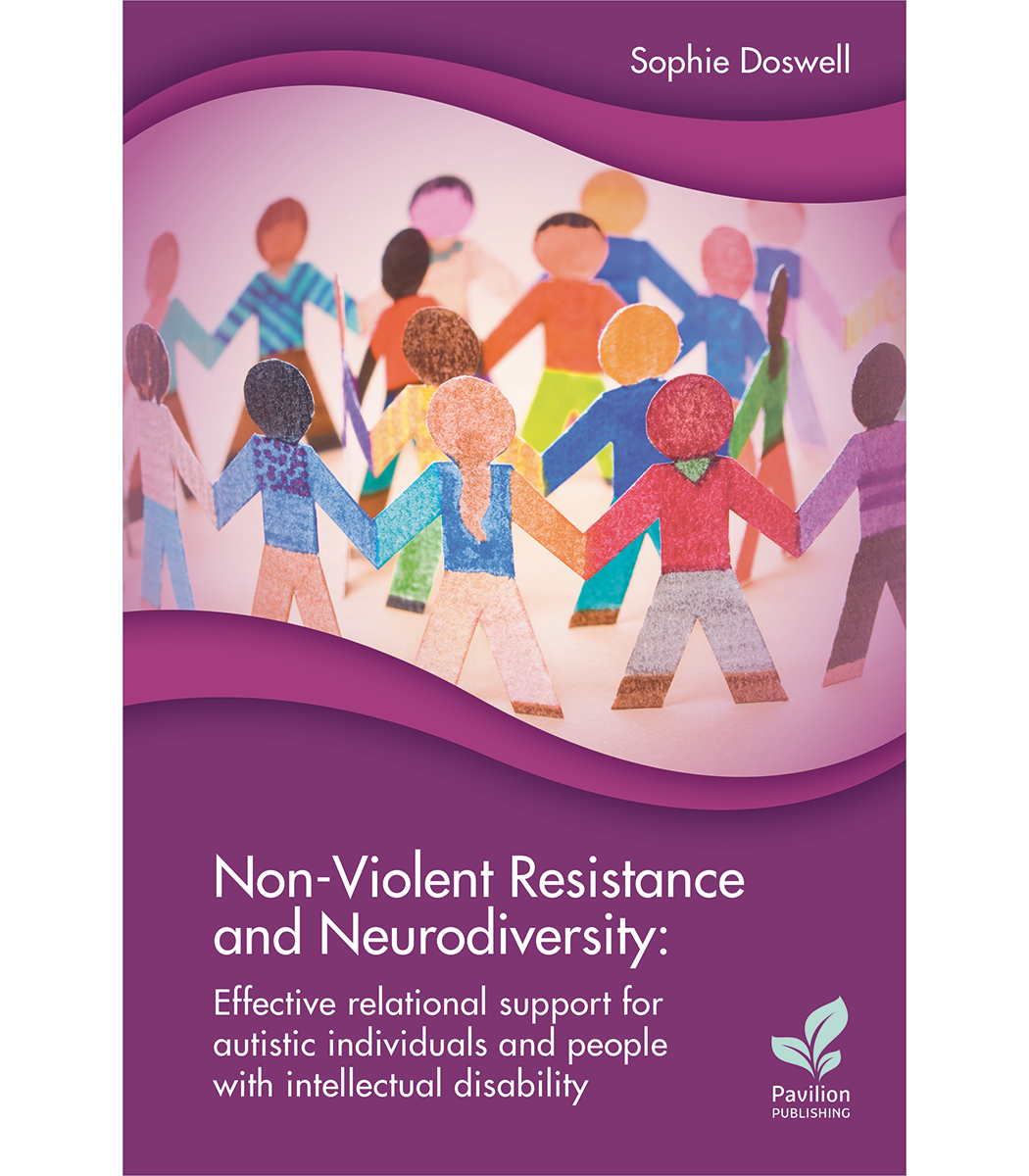
This book introduces Non-Violent Resistance (NVR) as a parenting approach for neurodiverse families, where one or more members is autistic or has an intellectual disability. These families often face challenges such as increased levels of distressed behaviour, emotional deregulation, isolation and higher parental stress. NVR is a therapeutic approach that is designed to manage such issues and strengthen relationships through positive authority and without punitive measures. Importantly for neurodiverse families, NVR methods do not depend heavily on the spoken word. NVR is a relatively new intervention and research is ongoing, but results to date have shown its effectiveness in reducing childhood aggression, increasing parental confidence, improving family relationships and managing stress. Drawing on these studies along with practice-based examples provided by NVR practitioners, NVR expert Sophie Doswell shows how the approach can be effectively adapted for any neurodiverse family, and provides a roadmap for restoring balance through safety, trust, empowerment and connection.
Read sample here.
Author and contributors
Sophie Doswell is a Consultant Clinical Psychologist with the NHS. She oversees services for neurodivergent adults, including within inpatient and community services offering assessment, post diagnostic support and therapeutic input. She has over twenty-five years of experience working in services for autistic people and individuals with intellectual disability, and from 2020-23 was Chair of the BPS Faculty for People with Intellectual Disabilities.
Sophie is an NVR Accredited Practitioner and Supervisor who has used Non-Violent Resistance with families since 2019, both within the NHS and within a Community Interest Company. She has presented on this topic at national conferences and has published in professional journals. She is a member of Non-Violent Resistance UK.
All of the contributors to this book have their own story about how they came to Non-Violent Resistance (NVR) parenting. Thank you to all of the contributors for sharing their stories in the practice examples:
Dawn Oliver
Rachel Braverman
Margaret Smith
Annemarie Trainor
Victoria Keverne
Denise Wilson
Audience
Practitioners in fields such as psychology, social work, residential care and adoption services working with families with an autistic member and/or a member with intellectual disability who are interested in new ways to improve their services and help their clients; NVR practitioners who are interested to work with neurodiverse families. Parents, carers and others working with therapeutic parenting approaches.
Content
Foreword
Preface
1. An introduction to Non-Violent Resistance (NVR) parenting and why it is useful for families with an autistic
member and/or a member with intellectual disability
2. Non-Violent Resistance parenting with families with an autistic member
3. Non-Violent Resistance parenting when a person has an intellectual disability
4. Organisational considerations when implementing Non-Violent Resistance parenting
5. The evidence base for Non-Violent Resistance parenting including when an individual is autistic and/or has an
intellectual disability
6. Supporting the implementation of Non Violent Resistance parenting through Training, Supervision, Consultation and Coaching
References
Details
Publisher: Pavilion Publishing and Media Ltd
ISBN: 9781803884660
Publication Date: End of May 2026
Video
Sophie Doswell has just launched her book online. To learn about adaptations and additions of non-violent resistance for families with neurodiverse members please log in/or register to the Learning Disability Today website.



Jim Blair, WHO Advisory Group Member on Disability, Independent Clinical Reviewer NHSE, Consultant Nurse LD West London NHS, Associate Professor Kingston University –
Relational support is central to all aspects of care, support and guidance in working with people with intellectual disabilities and individuals who are autistic. Undertaking this support in a non-violent manner is a very key consideration in getting care right and not furthering trauma that an individual may have experienced. Ensuring that relationships are effective addressing, often challenging situations along with emotional dysregulation and behaviours is fraught with difficulties but this book provides options, possibilities and ways of thinking and acting differently to change, build and restore the individual and relationships.
Non-violent resistance focuses on parents to assist in creating strong bonds and relationships where escalation is reduced, devoid of punishment or coercion. The non reliance on the spoken word is central to the approaches highlighted within this text.
I would recommend it to families, education, health and social care practitioners. The real strength of this book lies within the fact that it utilises real-world examples together with research illustrating the effectiveness of the approach within families. This book may be the catalyst for a better future for the individual, those around them and all the family too.
Dr Elizabeth Day, Systemic psychotherapist and NVR Practitioner –
This book makes a really valuable contribution to the NVR field, especially since my experience is that a large number of the families that we see are neurodiverse. The book foregrounds neurodiversity in a really helpful way. I particularly appreciated the ideas for making NVR interventions more accessible to parents and their children.
Pete Brown, Systemic Family Psychotherapist and NVR practitioner / supervisor –
This book offers a wealth of both theory and practice ideas for working with adults and children with neurodiversity. After introducing the history of NVR and its use in different contexts, the book delves into various aspects of neurodiversity. A key feature woven throughout, is how NVR can be adapted where neurodiversity is present, rather than neurodiversity adapted to NVR. This book is a rich resource that one can dip into time and time again to help work in this very important field where neurodiversity is becoming more widely recognised.