Tired of Anxiety: A Kid’s Guide to Befriending Scary Thoughts and Living Your Life Anyway

Cover of the book Tired of Anxiety

Tired of Anxiety is a step-by step guide for children on how to do the things that matter to them despite anxiety. Based on principles of Acceptance and Commitment Therapy (ACT), the book uses evidence-based clinical techniques and describes them in accessible, child-friendly ways to ensure that families have a toolkit for working positively with anxiety over the long term.

By acknowledging that difficult thoughts and feelings are a normal part of being human, rather than something we must try to stamp down or wish away, the authors normalise the everyday struggles of anxious young people so that children can learn to ‘make friends’ with their own anxiety and get on with the more important work of actually living and enjoying their lives. The text is presented in a visually appealing style, with frequent opportunities to engage with the material and a suite of supporting audio meditations.

Also checkout Tired of Teen Anxiety: A step-by-step, visually engaging guide that draws on proven psychological science to give teenagers the tools and confidence to deal with long-term struggles with anxiety.
Mental Health and Wellbeing in Secondary Education: A Practical Guide and Resource

Cover Image for: Mental Health and Wellbeing in Secondary Education: A Practical Guide and Resource

To teach such skills, staff must equip themselves and their workplaces with the procedures, understanding and confidence needed to monitor mental health, share concepts effectively and act appropriately if issues arise. Mental Health and Wellbeing in Secondary Education puts all the information they need at their fingertips – with guidance on creating a culture of wellbeing, warning signs to look out for, and overviews of how a range of common mental health and wellbeing problems can be identified and managed.

As attitudes to mental health shift, schools are taking the wellbeing of their pupils much more seriously. All schools in England are required to provide lessons on health and wellbeing; in addition, most now have a mental health leadership role. Yet mental health is far more than the absence of illness – it also means having self-belief and the resilience to cope with stress and change.

Effective Leadership in Health and Social Care: Towards Outstanding Teams and Services

Cover image - Effective Leadership in Health and Social Care: Towards Outstanding Teams and Services

The Towards Outstanding series offers essential resources for health and social care services regulated by the Care Quality Commission, built around the ‘five questions’ that CQC inspectors use (are services safe, effective, caring, responsive and well-led?). Written by a senior CQC inspector, titles in the series show how a mindset of getting the basics right then applying finishing touches can allow any service to move towards an ‘Outstanding’ rating. Effective Leadership in Health and Social Care takes a close-up look at the ‘well-led’ aspect of assessment.

The CQC is moving towards a common approach framework and changing the way it regulates, with a more risk focused approach being developed and far greater use of data. Leaders and managers of regulated services need to understand how to ensure that the five areas are delivered well and – just as importantly – how they will be assessed.

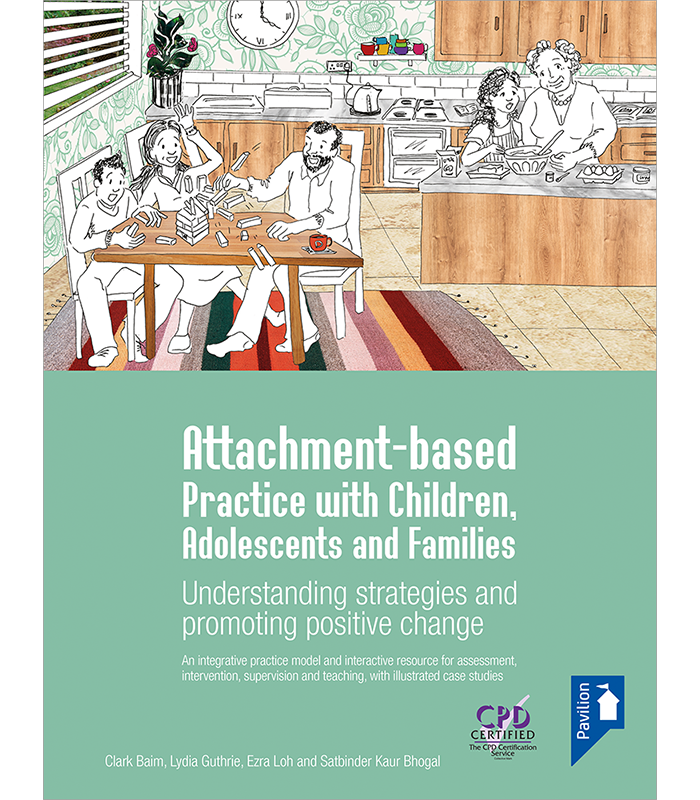
Attachment-based Practice with Children, Adolescents and Families: Understanding Strategies and Promoting Positive Change

Cover Image: Attachment-based Practice with Children, Adolescents and Families: Understanding Strategies and Promoting Positive Change

Over recent decades, attachment theory has come to be seen as fundamental to understanding not only childhood development and how people survive and grow, but also the capacity of partners, parents and carers to offer safe and consistent care, particularly under difficult conditions. Attachment-based Practice with Children, Adolescents and Families integrates attachment theory with other key concepts to explore the ways in which we understand and respond to troubled young people. Drawing on psychiatry, psychotherapy, social work, clinical psychology, systemic therapy and multi-modal assessment and intervention, and combining theory, practical guidance and illustrated case studies, the authors present an attachment-based, integrative, biopsychosocial approach to working with individuals and families that is designed to promote improved outcomes for all involved.

A practical guide to understanding and responding to troubled young people, building on attachment theory and a series of case studies to create a holistic, integrative, safe and effective approach to helping individuals and families.

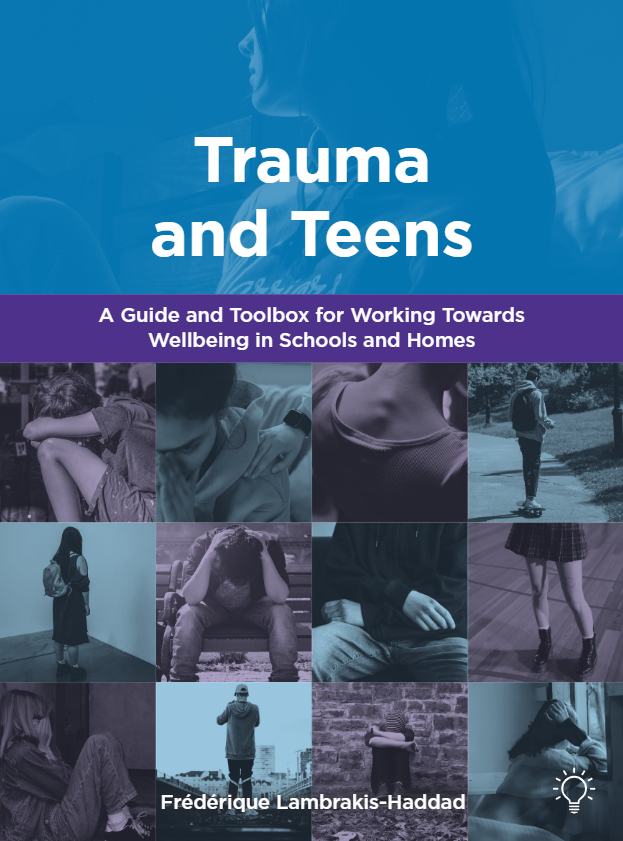
Trauma and Teens: A Guide and Toolbox for Working Towards Wellbeing in Schools and Homes

Cover Image: Trauma and Teens: A Guide and Toolbox for Working Towards Wellbeing in Schools and Homes

Trauma and Teens aims to create increased therapeutic and empathetic understanding of adolescents and their traumas and uncover how trauma affects teens through detailed case insights and practical strategies in this educational guide on trauma and teens. Part One addresses four types of trauma – acute, chronic, complex, and historic or transgenerational – through a series of case studies. The author uses the voice of the teen, the voice of the parent or carer and the voice of the educator to present each case in detail, complete with suggested interventions.

Part Two focuses on simplifying therapeutic concepts such as attachment theory and the stages of grief, and the final chapter offers strategies for ongoing management in the form of a ‘trauma toolbox’. This comprises grounding techniques for calming down or boosting energy, advice for self-care via good sleep and nutrition, and guidance for enabling troubled young people to feel secure, open up and begin the healing process by cultivating an attitude of PACE (Playfulness, Acceptance, Curiosity and Empathy).

Third Wave Cognitive Behavioural Coaching: Contextual, Behavioural and Neuroscience Approaches for Evidence Based Coaches

Cover Image: Third Wave Cognitive Behavioural Coaching: Contextual, Behavioural and Neuroscience Approaches for Evidence Based Coaches

Adapting cutting-edge psychological science to the needs of a coaching audience, Third Wave Cognitive Behavioural Coaching shows how, by drawing on techniques from Acceptance and Commitment Therapy (ACT), Dialectical Behaviour Therapy (DBT), Schema Therapy (ST) and more, coaches can adopt a more holistic approach that takes account of the problem, the context and the unique individual.

Coaching is an emerging discipline that is continually exploring new frontiers. An area of particularly fertile ground is cognitive behavioural therapy (CBT). Developed from behavioural roots by integrating cognitive models of behaviour, and since developed in a range of directions to place increased value on individuals’ histories, emotions and potential, CBT offers a host of interrelated, evidence-based approaches that draw on psychology and our knowledge of the brain to help people cope with psychological challenges.

The Practical Handbook of Eating Difficulties: A comprehensive guide from personal and professional perspectives

The Practical Handbook of Eating Difficulties - A comprehensive guide from personal and professional perspectives

Over the past 30 years, eating difficulties have become increasingly common across the UK and globally. This handbook addresses the social, psychological, and cultural factors that shape body image and eating behaviours, including the influence of social media, diet culture, and the fashion industry.

This comprehensive, contemporary, and practical guide to understanding and supporting people living with eating difficulties and eating disorders. Drawing on insights from people with lived experience, their families, and leading clinicians, therapists, and researchers, it offers real-world strategies to help individuals recover, live well, and thrive in their communities.

Readers will find practical guidance for healthcare professionals, educators, and voluntary organisations, as well as parents, schools, and workplaces, on how to provide effective and compassionate support. Key topics include:

  • Understanding eating difficulties within today’s society

  • The role of nutrition, exercise, and sleep in recovery and wellbeing

  • Therapeutic approaches for support and long-term recovery

  • Reasonable adjustments in education and employment settings

  • Creative and arts-based interventions for healing and expression

Reflective Practice in Forensic Settings: A Cognitive Analytic Approach to Developing Shared Thinking

Cover Image: Reflective Practice in Forensic Settings: A Cognitive Analytic Approach to Developing Shared Thinking

Working in forensic and secure settings with clients who have experienced trauma, damage, and abuse presents a unique professional challenge. Reflective practice in a forensic setting requires more than therapy—it demands connection, reflection, and the ability to think before acting.

Reflective Practice in Forensic Settings explores how to build a compassionate, reflective culture within forensic services. The book emphasizes how practitioners, teams, and entire organizations can develop relational awareness and empathic understanding to better support both clients and colleagues.

Grounded in the principles of Cognitive Analytic Therapy (CAT)—an accessible, integrative model for understanding human relationships—this book provides a common language for reflective practice across multidisciplinary teams.

Featuring contributions from experienced clinicians, therapists, and forensic practitioners, the book offers real-world insights into how CAT principles can be applied to:

  • Foster reflective thinking and emotional awareness in forensic teams

  • Manage complex interpersonal dynamics within secure environments

  • Promote organizational compassion and resilience

  • Build therapeutic relationships rooted in empathy and understanding

  • Develop relationally informed services that go beyond traditional treatment models

An essential resource for forensic psychologists, therapists, psychiatrists, nurses, and organizational leaders, this book provides practical tools and conceptual clarity for anyone working to create safer, more reflective, and humane forensic services.

CAMDEX-DS-II: A Comprehensive Assessment for Dementia in People with Down Syndrome and Others with Intellectual Disabilities (2nd edition) – Participant Assessment (CAMCOG-DS-II)

CAMDEX DS II - Assessment of participant (CAMCOG-DS-II)

The CAMDEX-DS-II is a fully updated second edition of a validated assessment for diagnosing dementia in people with Down Syndrome (a group known to be at particular risk of dementia), as well as others with intellectual disabilities. In order to differentiate decline due to dementia or other mental health issues from pre-existing impairment, particular emphasis has been placed on establishing change from the individual’s best level of functioning. A comprehensive manual including guidance for diagnosis, a structured informant interview to collect information about presenting symptoms and clinical history, a direct participant assessment (CAMCOG-DS-II), and a picture book to use in conjunction with the participant assessment. The CAMDEX-DS-II may be used in community settings by health professionals as part of the diagnostic process, or to formalise diagnosis in the context of research.

The Participant Assessment: completed directly with the person with Down Syndrome or other intellectual disabilities, and comprises a cognitive assessment (the CAMCOG-DS-II) and interviewer observations.

CAMDEX-DS-II: A Comprehensive Assessment for Dementia in People with Down Syndrome and Others with Intellectual Disabilities (2nd edition) – Starter Pack

CAMDEX-DS-II: A Comprehensive Assessment for Dementia in People with Down Syndrome and Others with Intellectual Disabilities (2nd edition) – Informant Interview Questionnaire

Cover of the book - CAMDEX DS II - Informant Interview Test Sheets

The CAMDEX-DS-II is a fully updated second edition of a validated assessment for diagnosing dementia in people with Down Syndrome (a group known to be at particular risk of dementia), as well as others with intellectual disabilities. In order to differentiate decline due to dementia or other mental health issues from pre-existing impairment, particular emphasis has been placed on establishing change from the individual’s best level of functioning. The CAMDEX-DS-II comprises a comprehensive manual including guidance for diagnosis, a structured informant interview to collect information about presenting symptoms and clinical history, a direct participant assessment (CAMCOG-DS-II), and a picture book to use in conjunction with the participant assessment.

The CAMDEX-DS-II may be used in community settings by health professionals as part of the diagnostic process, or to formalise diagnosis in the context of research.