

Schema therapy is an integrative therapeutic model combining cognitive behavioural approaches with a strong relational emphasis and a focus on developmental and attachment issues. In both individual and group formats, it is an evidence-based treatment for personality disorders and other complex issues. It has a growing following around the world.
-

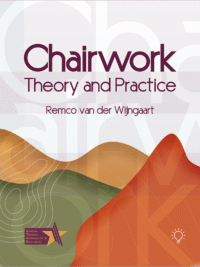
Chairwork: Theory and Practice
Price range: £23.95 through £29.95 Select options This product has multiple variants. The options may be chosen on the product page -
Schema Therapy for Cluster C Personality Disorders: Treating Dependent, Avoidant and Obsessive-Compulsive Clients
Price range: £25.56 through £31.95 Select options This product has multiple variants. The options may be chosen on the product page -
Schema Therapy for Children and Adolescents
Book £36.95 Add to cart -
Schema Therapy – A Phase-Oriented Approach, Targeting Tasks and Techniques in Individual and Group Schema Therapy
Book £31.95 Add to cart -
Schema Therapy Step by Step: A Contemporary Guide to Schema Therapy Concepts and Techniques
Price range: £29.56 through £36.95 Select options This product has multiple variants. The options may be chosen on the product page -
Imagery Rescripting Theory and Practice
£31.95 Add to cart -
Contextual Schema Therapy for Children and Adolescents: How to Work with Diagnosed Populations and their Differences
£40.00 Add to cart


What is Schema Therapy?
Schema Therapy is an integrative psychotherapy approach that helps people understand and change long-standing emotional patterns, beliefs and behaviours known as early maladaptive schemas.
It combines elements of cognitive behavioural therapy (CBT), attachment theory, experiential therapies and behavioural approaches to help individuals recognise unhelpful patterns, understand emotional needs and develop healthier coping strategies.
Our collection of Schema Therapy books provides guidance on the theory, concepts and practical techniques used by therapists working with complex emotional difficulties, trauma, personality patterns, anxiety, depression and relationship difficulties.
Who are these Schema Therapy books for?
These Schema Therapy books are designed for psychologists, psychotherapists, CBT therapists, counsellors, mental health professionals, trainees and students who want to develop their understanding and practical application of Schema Therapy.
They are suitable for practitioners working with individuals experiencing complex emotional difficulties, long-standing patterns of thinking and behaviour, trauma, personality difficulties, anxiety, depression and relationship challenges.
Whether you are new to Schema Therapy or an experienced practitioner looking to expand your therapeutic skills, these resources provide guidance on Schema Therapy concepts, schema modes, assessment, case conceptualisation and evidence-informed therapeutic techniques.
Are these Schema Therapy books suitable for beginners?
Yes. The Schema Therapy books in this collection include resources suitable for people who are new to Schema Therapy as well as experienced practitioners wanting to deepen their knowledge.
They introduce the foundations of Schema Therapy in a clear and practical way, helping readers understand key concepts including early maladaptive schemas, emotional needs, schema modes, assessment and therapeutic approaches.
Do these books cover schema modes?
Yes. Several books in this collection explore schema modes, an important part of Schema Therapy that helps therapists understand different emotional states, coping responses and behavioural patterns.
Understanding schema modes can support assessment, case conceptualisation and treatment planning by helping practitioners identify different parts of a person’s experience and how they respond to difficult situations.
Do these Schema Therapy books explain imagery rescripting?
Yes. Schema Therapy uses experiential techniques such as imagery rescripting to help clients process painful memories, unmet emotional needs and difficult life experiences.
These resources explain how imagery rescripting can be used alongside other Schema Therapy techniques to support therapeutic change and emotional healing.
Are these books useful for CBT therapists?
Yes. Schema Therapy builds on many cognitive behavioural therapy principles while extending the approach with additional focus on early experiences, emotional needs, attachment patterns and experiential techniques.
These books are particularly useful for CBT therapists who want to expand their skills when working with clients experiencing complex or persistent difficulties where traditional CBT approaches may need additional therapeutic tools.
What topics do these Schema Therapy books cover?
The books in this collection cover a range of Schema Therapy topics, including:
- Early maladaptive schemas
- Schema modes
- Emotional needs
- Schema Therapy assessment
- Case conceptualisation
- Treatment planning
- Imagery rescripting
- Chairwork
- Cognitive and behavioural techniques
- Working with complex emotional difficulties