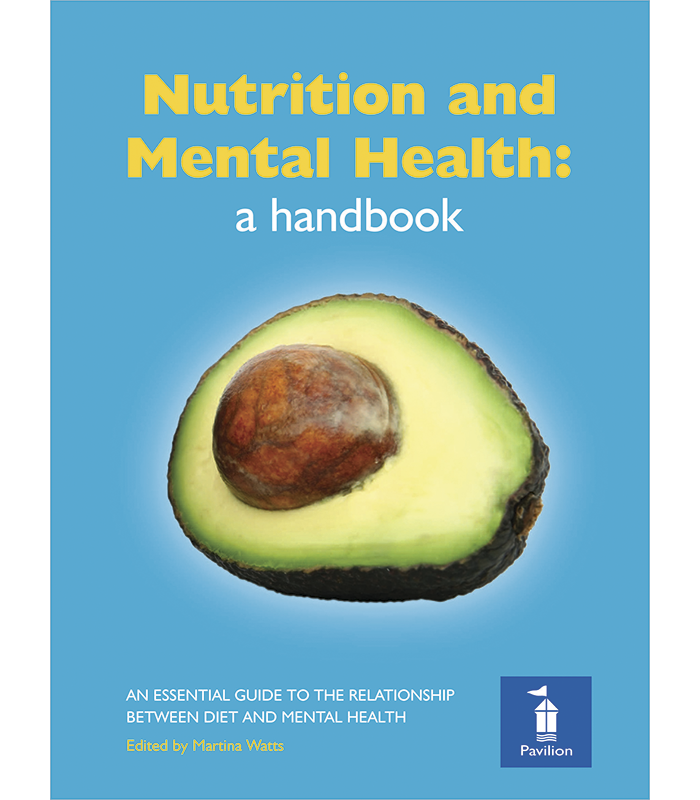
The role of nutrition is fundamental to human health and well-being. It is, however, often overlooked when treating people with mental health problems. Nutrition and Mental Health: a handbook explains the science behind nutrition and its effects on mental health in a clear, accessible way.
It helps readers to think about the complex and dynamic relationship between mental health, diet and nutrition. It explores how mental health and mental illness related factors, dietary factors and other social, biological and environmental factors interact to affect mental well-being.
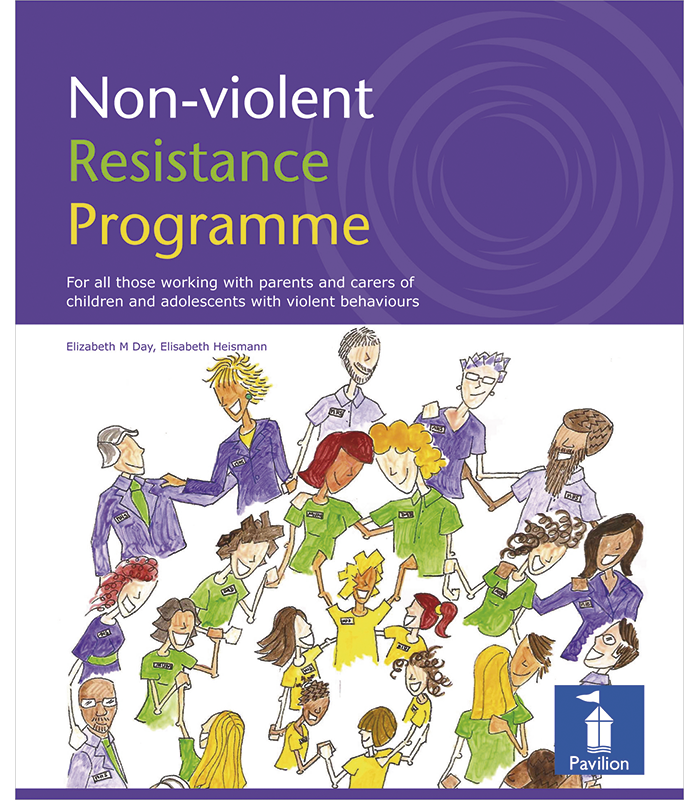
Non-violent Resistance Programme includes ten sessions for people working with parents and carers of children and young people. Experience the transformative power of the Non-violent Resistance Programme in managing extreme anti-social, destructive, violent & harmful behaviours. It uses the principles of non-violent resistance (NVR) to help carers to resist violent or out of control behaviours and to establish a warm, loving and containing parental presence with their children.
The programme is designed to be used with groups of parents, but the concepts and activities can be used with individuals.
Key features:
Based on a evidence-based model of good practice
provides a tried and tested programme which brings about positive change
powerful video role plays to illustrate principles in practice
engaging materials and activities for parents and carers.
The National Institute for Clinical Excellence (NICE) (2006) recommends group-based parent training/education programmes in the management of children under 12 with conduct disorders. GPs, social workers, children’s mental health services and voluntary organisations receive many requests for help from parents and carers who are concerned about extreme behaviours in their children (violence, school refusal, drug taking, social withdrawal, criminal behaviour).
Many of these young people have other difficulties, including attention deficit hyperactivity disorder (ADHD), conduct disorder (CD) or oppositional defiant disorder (ODD) or have experienced family breakdown or domestic violence. NVR is a new type of intervention derived from the work of Mahatma Gandhi and Martin Luther King and developed in the last 10 years for children and young people with extreme anti-social behaviours.
Rather than focusing on modifying behaviour, the aim is to bring about changes in the parent-child relationship and to help parents, grandparents, foster carers and informal carers to create positive relationships with their children in the long term.
This NVR programme teaches parents essential skills that help them resist out-of-control and violent behaviours and develop a collaborative, solution-focused approach to problems (for example, de-escalating conflicts, increasing parental presence, announcing their decision to make a stand, sit-ins, developing support networks). They learn to counter giving into their child’s demands or responding in a reactive way which can lead to even more violence.
Non-violent Resistance Programme consists of ten 1.5 hour sessions which include mini presentations, outcome-focused activities, discussion and video role plays. Structured homework tasks help reinforce the ideas from the session and make an active connection to situations with their children. Facilitators should have some experience of group work and training, ideally in a therapeutic environment.
Successful Health Screening through Desensitisation for People with Learning Disabilities is a flexible training and resource pack. It aims to enable people with a learning disability to successfully access health screening and overcome fear and anxietythey may have about the process, utilising desensitisation. Expand your professional skills with our resource pack, promoting successful health screening for people with learning disabilities & ensuring quality care.
The suggested techniques in the training pack respond directly to evidence of how the health needs of people with a learning disability are not currently being adequately met. It provides a practical evidence-based framework, tools and extensive resources for supporting individuals to have basic health screening through familiarisation and desensitisation. This is essential for ensuring quality of life and the best possible health outcomes, by monitoring and treating the common conditions people with learning disabilities suffer from.
The pack can be used in three different ways:
To provide training workshops comprising one training day, or individual training sessions across a longer time period.
As a self-study tool by staff members supporting people with learning disabilities, as part of their continuing professional development.
Using the guidance and range of resources to work directly with specific individuals in order to access successful health screening. Staff can use these to plan and deliver a person-centred approach to desensitisation and health screening for each individual.
This training pack and the tools and resources which accompany it have been devised after extensive piloting work and in consultation with people with a learning disability, their families, carers and practitioners in South West Kent.
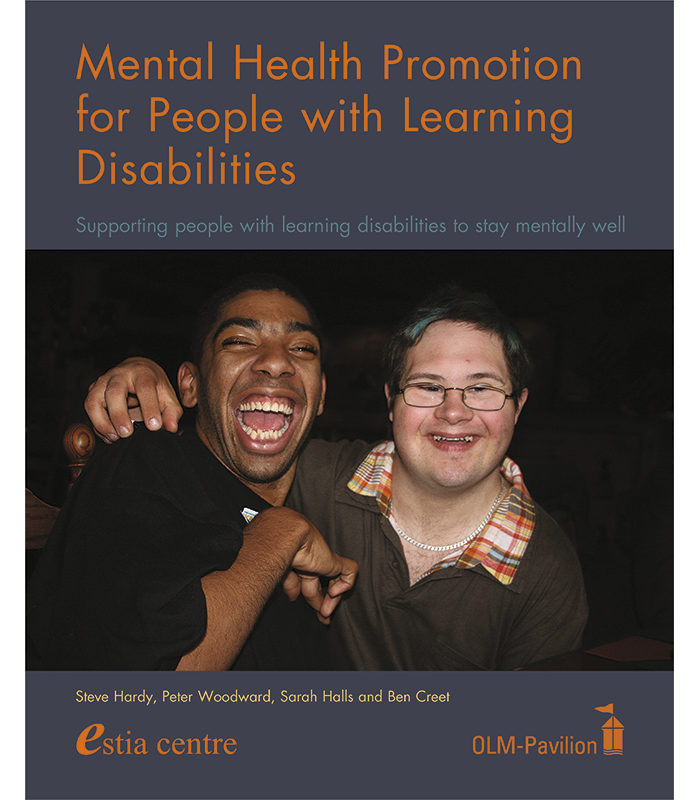
Explore our professional training pack on Mental Health Promotion, designed for learning disability professionals to empower adults in enhancing their mental well-being. This is also a interactive course aimed to help people with learning disabilities improve their mental health by raising awareness of mental health problems and developing personal strategies to improve or maintain their mental health. The 12-session course is designed to be run with adults who are able to express their wants and needs and who need minimal support with daily living tasks.
Key features: Based on work with The Tuesday Group who have spoken and published articles about their work in this field; a wealth of mental health promotion materials, including video role plays; structured into 2 ½ hour interactive sessions.
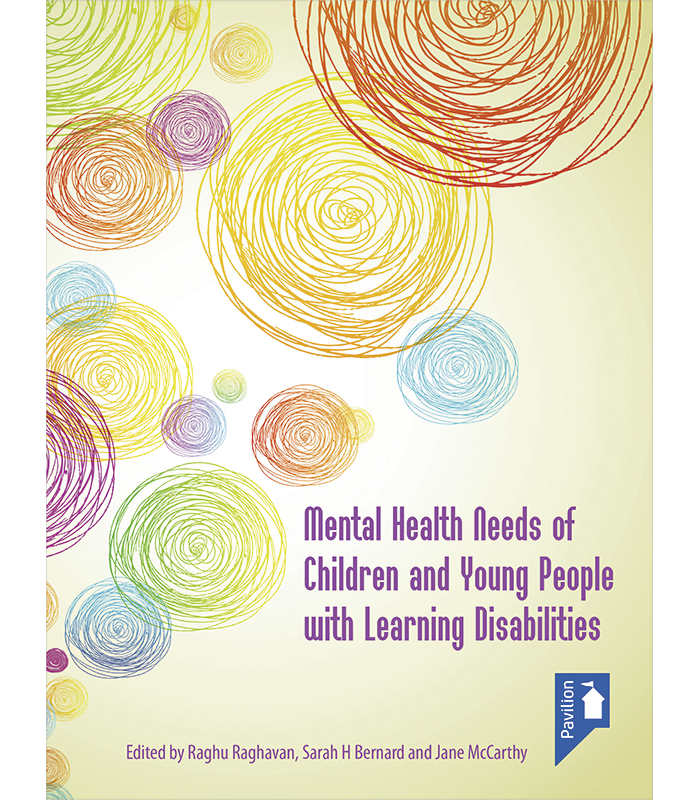
The last three decades of research shows there is a high prevalence of children and young people with a learning disability and mental health disorder. The overlap of challenging behaviour and mental health disorders along with the lack of understanding of the nature and manifestation of mental health disorders in this population produces a complex and perplexing picture in terms of detection, diagnosis and therapeutic services.
This book aims to explore issues relating to the care of children and young people with learning disabilities with mental health needs. Developing evidence based practice is a key theme of this book. We believe that through the consolidation of the evidence for assessment, intervention, service provision and safeguarding issues, professionals will be able to provide high-quality personalised care for children and young people with learning disabilities who have mental health needs.
This handbook will provide health and social care professionals with a sound knowledge base for shaping and enhancing their practice along with the skills and confidence to improve the outcomes for these young people.
Personalisation in mental health services is a subject that encompasses many areas and meanings, from social inclusion principles through to a simple direct payment. As such, Mental Health and Personalisation aims to assist service users, carers and mental health professionals to work through the themes and issues related to recovery-based mental health care and support.
The workbook is divided into 10 sections based on the 10 Essential Shared Capabilities. Each section applies the capabilities to different aspects of personalisation and a range of activities is used to enable the reader to develop their understanding of both frameworks and how the personalisation agenda can be delivered in an integrated mental health setting.
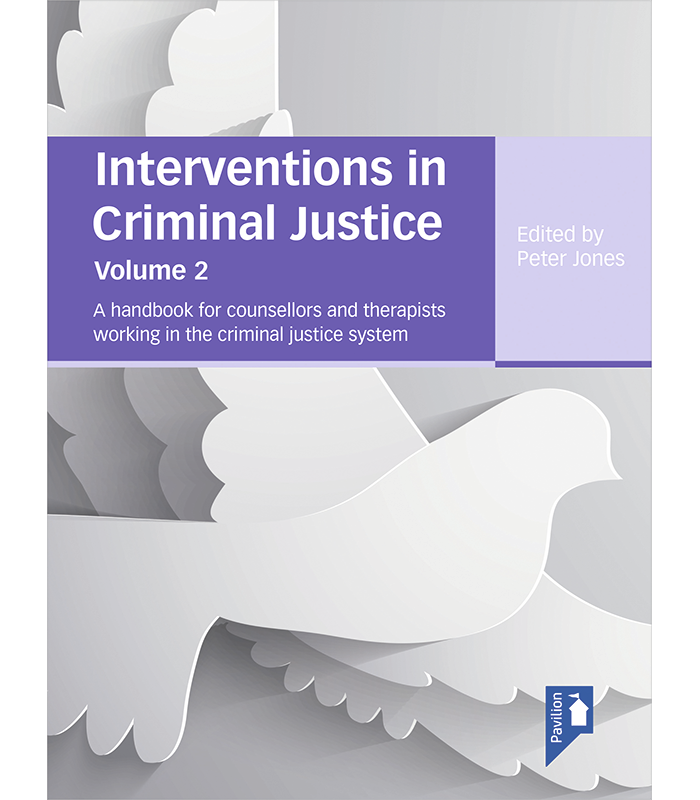
Interventions in Criminal Justice Volume 2: A handbook for counsellors and therapists working in the criminal justice system – is an exciting second edition of Interventions in Criminal Justice and is a response to therapy in the criminal justice setting and addresses additional contemporary issues and challenges faced by counsellors and therapists working in the criminal justice system. It aims to make clear the links between the role of therapy in the life of an offender or ex-offender and their subsequent resettlement and rehabilitation.
Interventions in Criminal Justice Volume 2 brings together the experiences and expertise of a range of practitioners who work within criminal justice and provides a broad and informative account of working therapeutically with a diverse range of clients and issues.
This volume is a ground breaker – expanding in both breadth and depth – it is perhaps illustrative of the field and to the tremendous credit of Peter Jones that there are such a range of voices in this volume. There is strength to such diversity and open and continued discourse. Professor Graham Towl, Durham University, UK
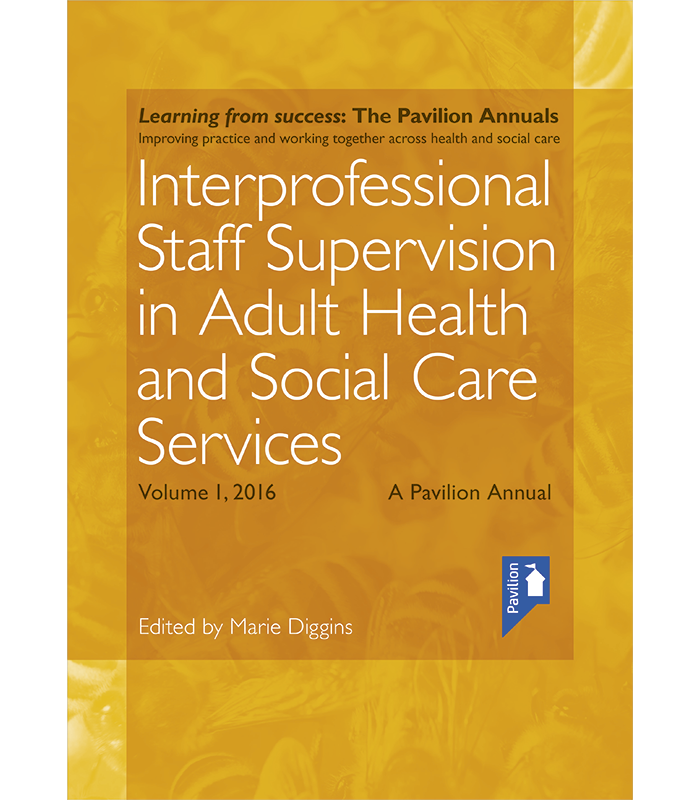
Discover effective interprofessional staff supervision strategies in adult health and social care. Improve practice with insights from research, practice, and service user views. Health and social care services are increasingly delivered in integrated settings, but what does this mean for staff supervision?
Learning from success: The Pavilion Annuals Improving practice and working together across health and social care
Supervising staff from a variety of backgrounds can be challenging. Yet it is an area where practice is ahead of the research, few studies have investigated how best to deliver effective supervision in integrated settings or multi-disciplinary teams. What evidence exists tends to focus on services for children, and there is a dearth of information on supervising staff working in adult services.
This annual volume looks at different models of supervision within adult services, addressing a gap in research and practice about what works when supervising staff from across different professional backgrounds, including social work, nursing, health visiting, clinical psychology, community mental health and addiction services.
But what do we mean by successful supervision within integrated and multidisciplinary settings?
How is it conducted and how do we know that it makes a difference?
Does it matter if supervisors are from a different professional background to supervisees, if the key ingredients are the same?
If we agree that supervision is important, answering such questions is crucial if we are to get supervision right for practitioners working in a range of settings and ultimately, people who use services. Interprofessional Staff Supervision in Adult Health and Social Care Services Volume 1: A Pavilion Annual 2016 will support successful supervisory practice by providing readers with a toolkit for supervision in multi-disciplinary teams based on research, practice and unusually, service user perspectives.
This creative and powerful DVD teaches the understanding of feelings and emotions. It helps students develop an awareness of feelings in themselves and in others, and helps them learn to manage these emotions effectively.
A rich and varied collection, Feelings and Emotions covers 30 different human situations, from family dynamics to accident and hospital scenarios, and from office and classroom conflicts to friendship and success. The experiences include both comfortable and uncomfortable feelings in both individual and group situations.
Through the DVD and the accompanying ideas and activities for discussion and writing, students will:
Identify with scenarios that mirror their own experiences
Expand their vocabulary of emotions to express and manage feelings more appropriately
Develop empathy and more easily imagine other people’s feelings
Understand, respect and respond to the feelings of others
Build more successful relationships and friendships
Each film clip runs at normal speed, as a sequence of stills and also in slow motion. The clips deliberately do not include speech. This encourages a wider range of interpretations by the student of the thoughts and feelings of the various characters portrayed.
From wayward plumbing to questions of theology, from art and poetry to arguments with housing associations, and from the classic limestone landscape of the Yorkshire Dales to the stark beauty of the Scottish Highlands, the sweep of Driving South to Inverness ranges poignantly and humorously from the sublime to the ridiculous.
Now in her eighties, and after a lifetime of hard work helping people with profound communication difficulties as a result of autism or other learning disabilities, Dr Phoebe Caldwell made the difficult decision to accept the inevitabilities of old age and leave the home she loved to move into sheltered accommodation. This decision and its consequences form the heart of this passionately written memoir.
How does one take a lifetime’s memories and possessions and make them fit new circumstances, but also hold on to an identity built up over decades?
In Driving South to Inverness Phoebe reflects on her past, her family history, and her childhood during the Blitz. She revisits falling in love with her husband and the realities of raising a large family. She offers evocative descriptions of the Dales that she has now made her home and she shares her insights into life, faith, art and philosophy, the opportunities and failings of modernity, and her frustrations with her altered situation as she accepts the changes she faces.
Free UK Postage on all orders over £20 in UK - sign up to our newsletter for 10% off your first order. Dismiss
We use cookies on our website. One group is essential for our business and another provides third party services. Click OK to accept all cookies, Opt-out to refuse services cookies, or visit our Cookie Policy.